UN delegation reviews the impacts of the Israeli military operation in Hebron
Amman4 min read
Share
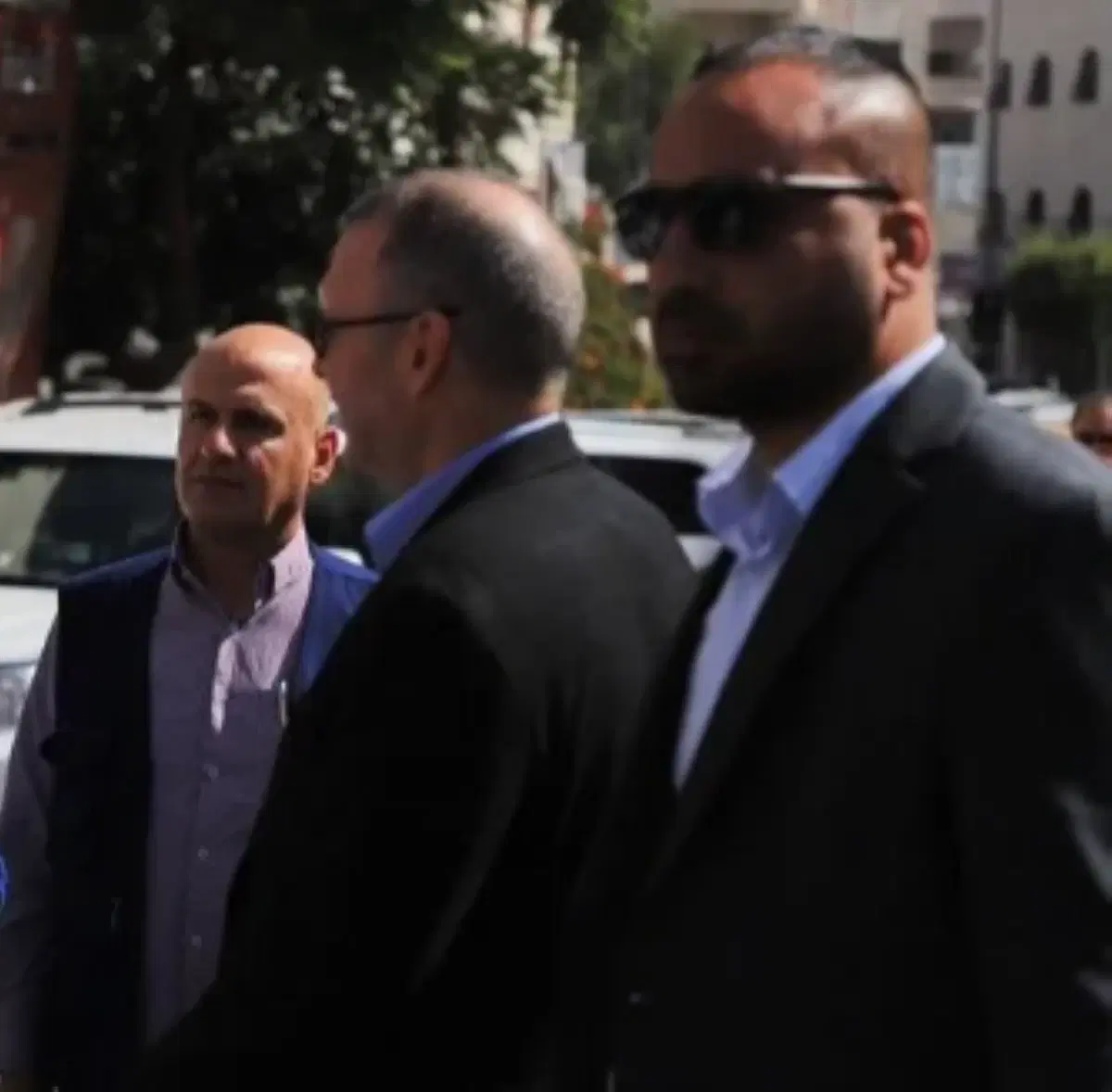
On Monday, a UN delegation reviewed the humanitarian, economic and social impacts of an Israeli military operation that lasted 10 days in the city of Hebron in the occupied southern West Bank, which caused the displacement and damage of more than 3,300 Palestinians, and the demolition of homes and facilities.
The delegation's visit came after the Israeli army withdrew, on Monday, from Hebron, following a military operation it launched on 23 October, which saw forced displacement of residents, the closure of residential areas, and the seizure of homes that were turned into military barracks.
The visit focused on the situation in the Jaldeh and Deir Baha neighborhoods, which witnessed the displacement of hundreds of families from their homes during the military operation.
According to the official Palestinian news agency WAFA, the delegation held a meeting with Hebron Governor Khaled Dudin in his office, attended by Palestinian officials and representatives of civil society and local institutions.
The delegation also included representatives from the World Food Programme, the United Nations Population Fund, the United Nations Office for the Coordination of Humanitarian Affairs, the Office of the UN Special Coordinator, UNICEF, and the United Nations Development Programme.
Humanitarian impacts
During the meeting, Governor Dudin reviewed the situation in Hebron, including the spread of Israeli military checkpoints and barriers, as well as areas that were closed before the latest operation began.
Dudin provided data on families forced to leave their homes during the military operation and the impacts on health, education, economic and security sectors.
He also briefed the delegation on the damage to residential areas and infrastructure, and the effect of Israeli restrictions on residents' lives.
The governor praised the interventions of international institutions and UN agencies in supporting Palestinians affected by the military operation and providing them with necessary assistance.
Forced displacement
For his part, Hazem Al‑Tamimi, a representative of residents of the Jaldeh and Deir Baha neighborhoods, outlined the conditions experienced by residents during the Israeli military operation, especially the forced displacement from homes.
Al‑Tamimi affirmed that what the residents endured is part of the Israeli forces' policy of “collective punishment” against Palestinians.
He also praised the efforts of the governor, the mayor, and the support and relief committee in responding to the needs of affected families and providing them assistance.
During the military operation, families were evacuated from their homes, while the Israeli army seized several residential buildings and turned them into military sites.
At the end of the meeting, the UN delegation viewed a video documenting the field conditions in the Jaldeh and Deir Baha areas, and the forced evacuations and harsh humanitarian conditions left by the military operation.
UN response
In turn, UN delegation head Dinkxo Tai expressed his appreciation for the efforts of Hebron Governor, the support committee members, and the mayor in responding to the humanitarian needs of the affected residents.
He expressed hope that these efforts will continue, noting that the UN agencies participating in the visit operate in multiple fields to support Palestinians.
He explained that the activities of those agencies include providing humanitarian aid, monitoring economic damage and the impacts of the siege and Israeli policies.
He added that they also monitor human rights issues from a legal perspective, alongside advocacy and reporting, contributing to the necessary actions to assist those affected, according to WAFA.
10‑day operation
On 23 October, the Israeli army launched a military operation in Hebron following a shooting incident carried out by two Palestinians that resulted in the death of two Israeli soldiers and the injury of three others, before the army later killed the perpetrators.
Since the start of the operation, the Israeli army imposed a lockdown on the city and surrounding villages, seized homes in the Jaldeh and Deir Baha neighborhoods, and turned them into military barracks.
The operation was accompanied by forced displacement of residents, demolition of homes, facilities and commercial premises, and destruction of parts of the infrastructure.
According to Hebron Governorate data, the operation caused the displacement and damage of more than 3,300 Palestinians, especially in the Jaldeh and Deir Baha areas.
It also resulted in the demolition of 15 homes and facilities, damage to the economy and infrastructure, and disruption of the education system.
The Israeli army withdrew from the city on Monday after 10 days of the operation, while its humanitarian and economic repercussions continue to cast a shadow over the affected residents.