Closed military zone and hundreds of families homeless
The occupation launches its largest military operation since 1967
Follow Al Rai

Israel replicates the "Northern West Bank" camp model
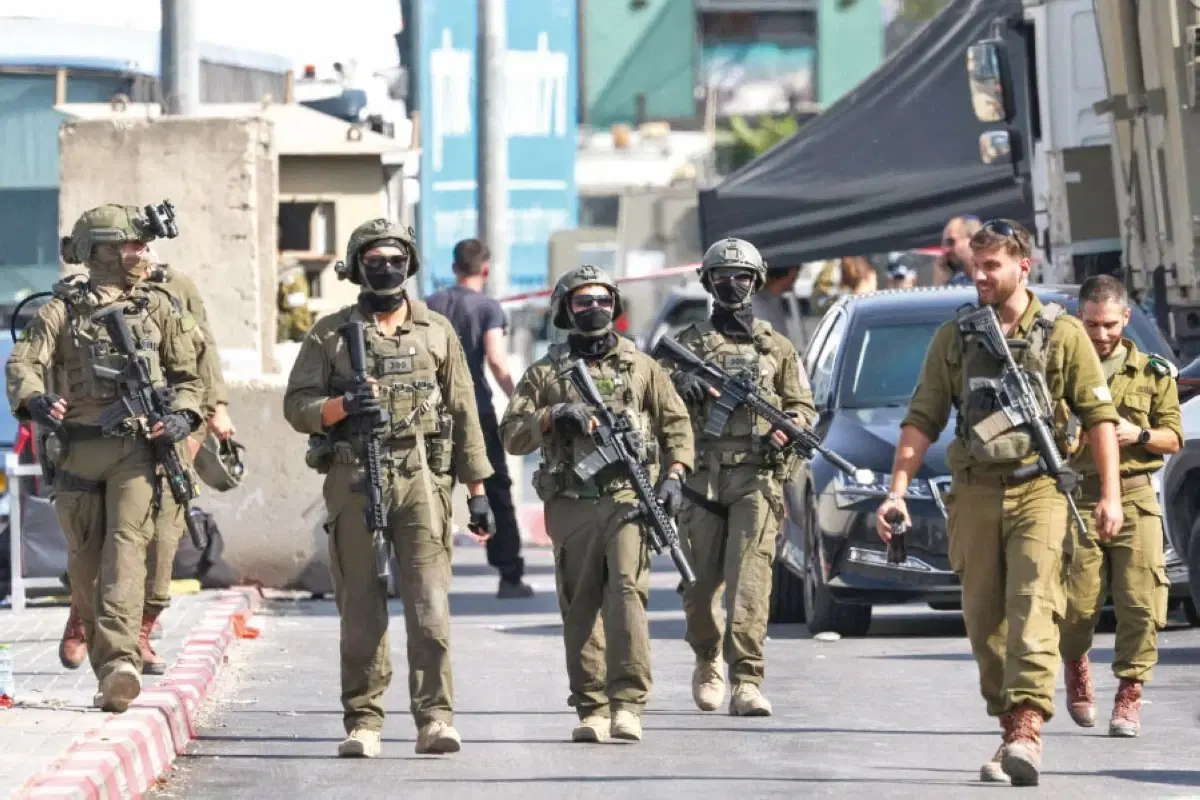
Closed military zone and hundreds of families homeless
The occupation launches its largest military operation since 1967
Evacuation of homes, demolition of facilities, and comprehensive arrest campaigns
Fears of expanding "forced displacement" in the governorate
Netanyahu: A "big surprise" awaits the Palestinian Authority
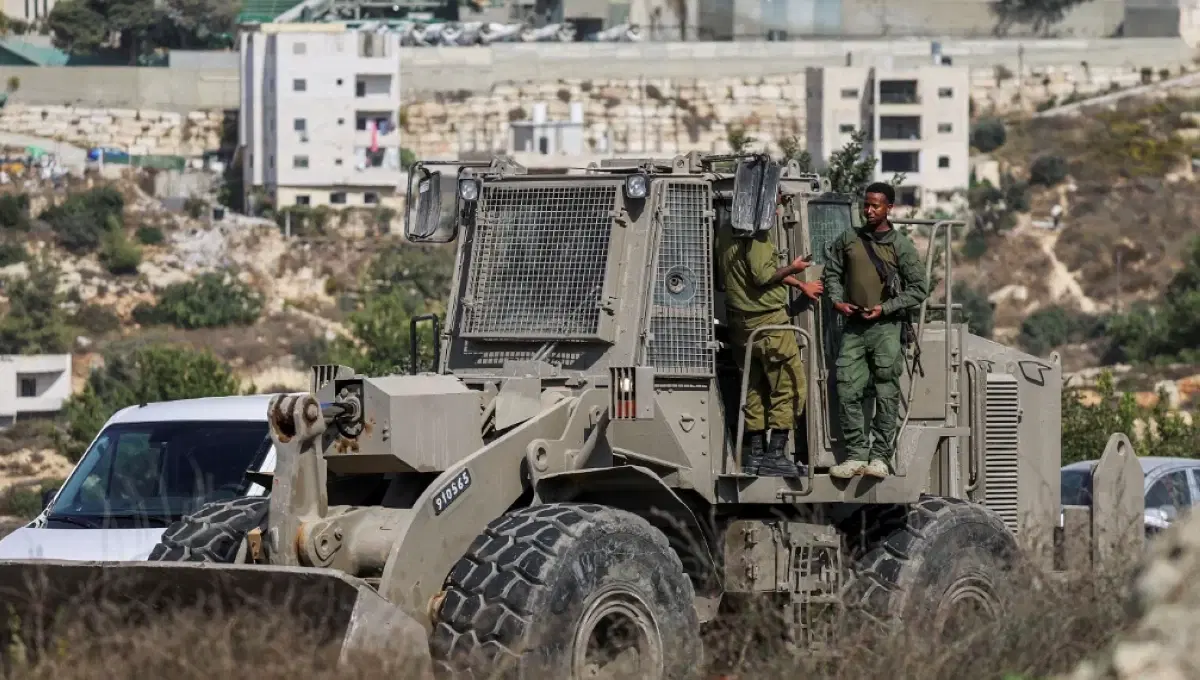
The Hebron governorate and its surroundings are living under a tight Israeli military siege, following a shooting operation that resulted in the death of two Israeli soldiers, amid a broad field escalation that included the evacuation of homes, the demolition of facilities, and the launching of arrest campaigns, in a move that reflects an Israeli trend to expand military operations in the occupied West Bank and apply a military model previously used in the northern West Bank camps.
The Israeli occupation Prime Minister Benjamin Netanyahu announced the start of a military operation he described as unprecedented in decades, based on evacuating residents, carrying out house-to-house searches, and destroying what Israel calls "terrorist infrastructure," according to its claims.
The announcement came following Netanyahu's visit to the site of the shooting operation at the "Farsh al-Hawa" checkpoint west of Hebron, where he was briefed on the circumstances of the attack carried out by two young Palestinians, later identified by the occupation army as Mohammed and Ahmed al-Ja'bari from Hebron. According to the Israeli narrative, the exchange of fire lasted about 20 minutes and resulted in the death of two Israeli soldiers, Staff Sergeant Ron Yonatan Roitman, 23, and Sergeant Yuval Shay Svilam, 20, and the injury of three others with minor wounds, before the perpetrators were martyred.
Following the operation, Netanyahu ordered the imposition of a tight security cordon on Hebron and preparations for a comprehensive closure of the West Bank, announcing the implementation of what he described as the "offensive camp model" in a number of the city's neighborhoods.
This model, which the occupation forces previously used in the northern West Bank camps, is based on evacuating residents, storming and searching homes sequentially, in addition to demolishing facilities and destroying infrastructure.
Netanyahu said during a press conference in Hebron that the Israeli army is prepared to carry out a large-scale operation in the West Bank, the likes of which the region has not seen since the 1967 war, adding that the forces will work to evacuate residents, move from house to house, and destroy infrastructure.
Netanyahu said that a "big surprise" awaits the Palestinian Authority, avoiding a direct answer as to whether he intends to dismantle the Palestinian Authority, but he indicated that he prefers the method of "surprise and shock."
"We have changed the Middle East... I said we would bring about change, and that is what we did," he stated in an interview with the "i24NEWS" network.
In the same context, Israeli Finance Minister Bezalel Smotrich called for launching a broad military campaign similar to the operations carried out by the occupation in the Gaza Strip and Lebanon.
In contrast, Hebron Governor Khaled Dudin reported that more than 200 families were forced to evacuate their homes in the areas of al-Jalda and Deir Bahah, leaving hundreds of Palestinians homeless, with some forced to spend the night in the open.
The two areas, according to the provided data, constitute about a third of the city's area, which raises fears of the expansion of forced displacement and its humanitarian repercussions on the residents.
The military measures were accompanied by a broad arrest campaign that affected at least 13 Palestinians in Hebron, the town of Dura, and al-Fawwar camp, including former MP Azzam Salhab and journalist Musab Qafisha, while the occupation forces detained dozens of other citizens for interrogation.
The occupation forces also demolished a residential building containing three apartments in the Farsh al-Hawa area west of Hebron, in addition to facilities and commercial shops, under the pretext of building without a permit in the area classified as "C," according to the Israeli divisions imposed on the West Bank. The demolition operations come in light of escalating military measures affecting residential neighborhoods and Palestinian property, coinciding with restricting the movement of residents and imposing tight restrictions on their travel.
The occupation forces closed the entrances and roads leading to Hebron and its towns and camps, which led to the disruption of daily life and paralyzed the movement of citizens.
Under the impact of the closure, universities and schools announced the suspension of classes, while the Transport and Communications Union called for the suspension of vehicle movement to preserve the safety of citizens in light of the risks resulting from checkpoints and military deployment.
The Hebron governor described the Israeli measures as a crime against citizens and their property, falling within the context of collective punishment, calling for urgent international intervention to stop them.
The United Nations Office for Human Rights also criticized the imposed closures, considering them part of a pattern of collective punishment, and exacerbating the restrictions imposed on the lives and livelihoods of Palestinians.
The occupation army and the Israeli General Security Service "Shin Bet" announced, in a joint statement, the start of a military operation in the Hebron area called "Zair Yehuda" (Roar of Judah), according to what was reported by the Israeli Channel 14.
The statement mentioned that the operation involves forces from the army, Shin Bet, Border Guard, and the Civil Administration, and includes broad search operations and the interrogation of dozens of people whom Israel describes as suspects.
The Israeli forces designated only three exits for residents to leave the operation area, provided that those leaving are subject to inspection and security interrogation, with a warning that anyone suspected will be referred for investigation.
These measures, along with the evacuation of homes and restrictions on movement, reflect the expansion of military control over the targeted neighborhoods and the transformation of parts of them into closed zones for their residents.
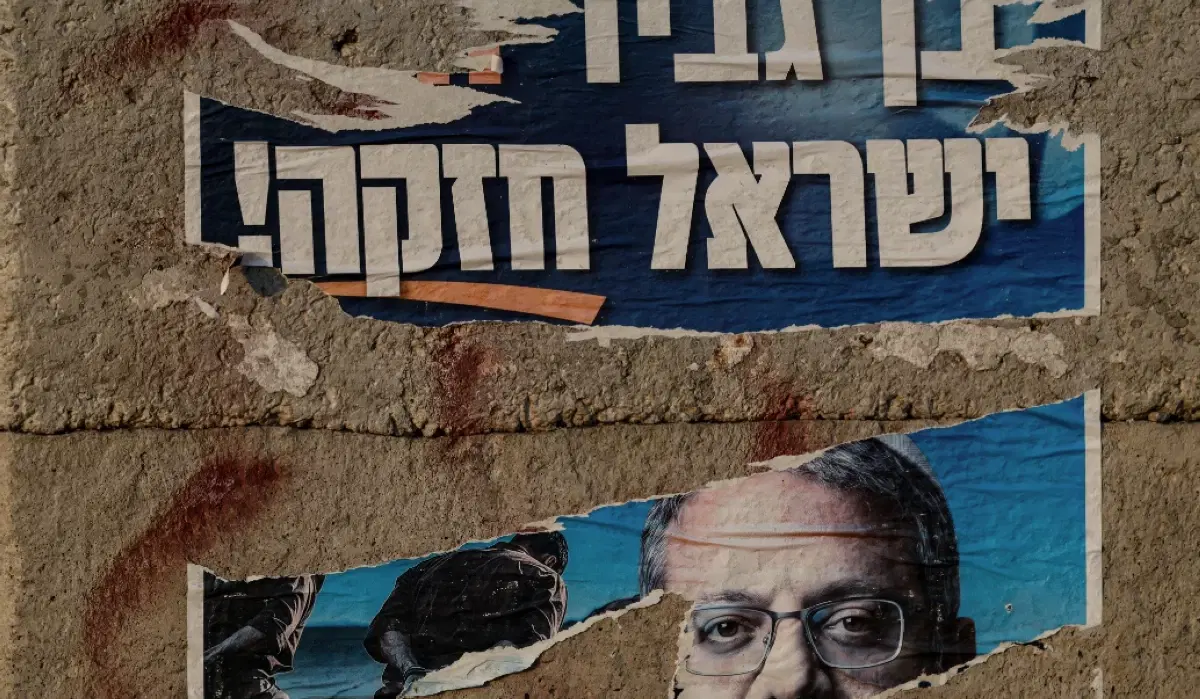
The operation comes days before the Israeli elections scheduled for next Tuesday, at a time when Netanyahu and ministers in his government are escalating their security rhetoric, amid political and electoral pressures facing the government.
Reports indicate that the army has raised the state of alert and strengthened its deployment in the West Bank to secure the elections, while the timing of the escalation raises questions about the overlap of security considerations with internal political calculations, without this alone meaning proof of electoral motives behind the operation.
Developments are not limited to Hebron, as the operation coincides with Israeli military movements in other areas of the West Bank. According to Israeli statements, the forces are carrying out operations against dozens of Palestinian targets in various parts of the West Bank. At the same hours, the occupation forces stormed the city of Nablus and turned a residential building in the al-Nour neighborhood west of the city into a center for field interrogation and detention of citizens, and also raided a warehouse inside a residential building on Tel Street.
In parallel with the military operations, settler attacks on Palestinians and their property continue.
The "Al-Baydar" human rights organization reported that settlers attacked olive pickers on Saturday in the town of Beit Iksa northwest of occupied Jerusalem, while the occupation forces fired live ammunition and gas bombs, and arrested citizen Mohammed Sadr.
The developments in Hebron raise fears of transferring the model of military operations that Israel applied in the northern West Bank camps to more extensive and densely populated urban areas.
While this model was previously linked to evacuating camps, displacing their residents, and destroying parts of their infrastructure, its application in Hebron gains broader dimensions, given the nature of the city, its population size, and the vastness of the areas covered by the military measures.
The provided data indicate that the repercussions are not limited to direct security operations, but extend to housing, education, transport, and work, in light of road closures, home evacuations, and threats to facilities and property.
With Netanyahu announcing his intention to reshape the security reality in the region, the most prominent question remains related to the outcomes of the operation, the extent of displacement, and the number of families that will be able to return to their homes after the end of the operations, in a governorate inhabited by about 860,000 Palestinians, which faces fears of temporary measures turning into a long-term field reality.
Know more about this story?Send us a tip
Ask about this report — answers stay grounded in its text.