Saudi, Turkish, and Pakistani officials are heading to Tehran on Monday for talks on regional security, according to Iranian and Saudi officials.
The three countries are linked by the "Mecca Agreement," a joint defense treaty concluded last August.
Follow Al Rai

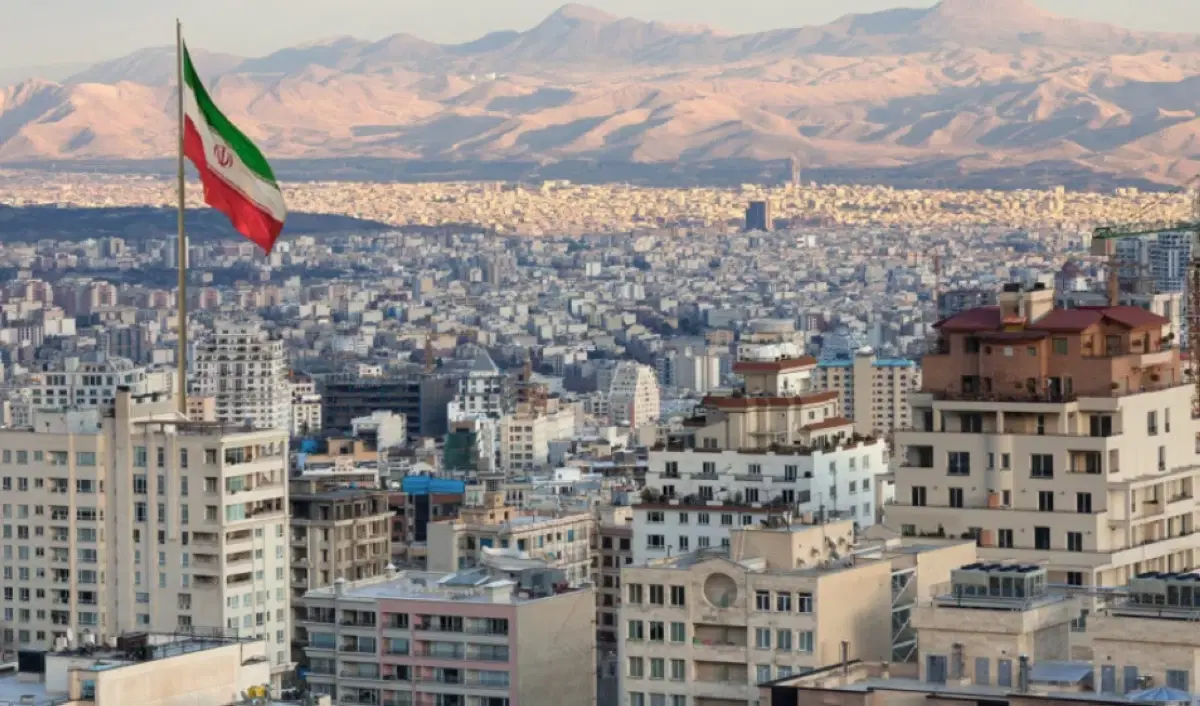
Saudi, Turkish, and Pakistani officials are heading to Tehran on Monday for talks on regional security, according to Iranian and Saudi officials.
The three countries are linked by the "Mecca Agreement," a joint defense treaty concluded last August.
Ali Bagheri, Deputy Secretary of Iran's Supreme National Security Council, told state television, "Saudi Defense Minister Khalid bin Salman, Pakistani Army Chief Asim Munir, and Turkish Intelligence Chief Ibrahim Kalin will participate in this meeting."
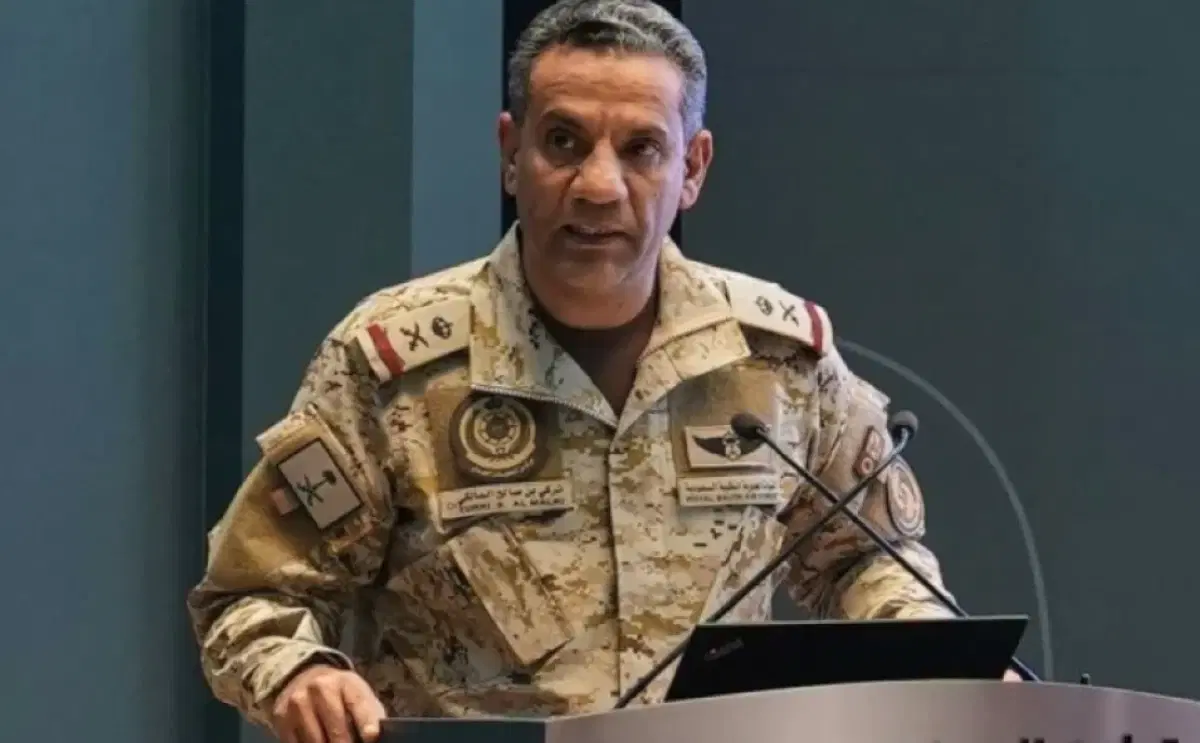
Saudi Assistant Minister of Foreign Affairs for Public Diplomacy, Raed Krimly, confirmed that the Defense Minister will head to Tehran on Monday leading a delegation.
He said in a post on the X platform, "The visit comes within the framework of the continued efforts of the Mecca Joint Defense Agreement countries to de-escalate between the parties to the current crisis and encourage dialogue and diplomatic solutions."
This meeting is being held at a time when Israel and the United States have intensified their threats against Iran, amid stalled negotiations between Tehran and Washington.
Bagheri said, "The quadrilateral meeting in Tehran could constitute an important and effective step in building sustainable regional security, and we hope that this initiative will contribute to building a stable region."
He indicated that the Secretary of the Supreme National Security Council, Mohsen Rezaee, will represent Iran in it.
For his part, Krimly confirmed that the officials of the three countries will meet with Rezaee and Iranian President Masoud Pezeshkian.
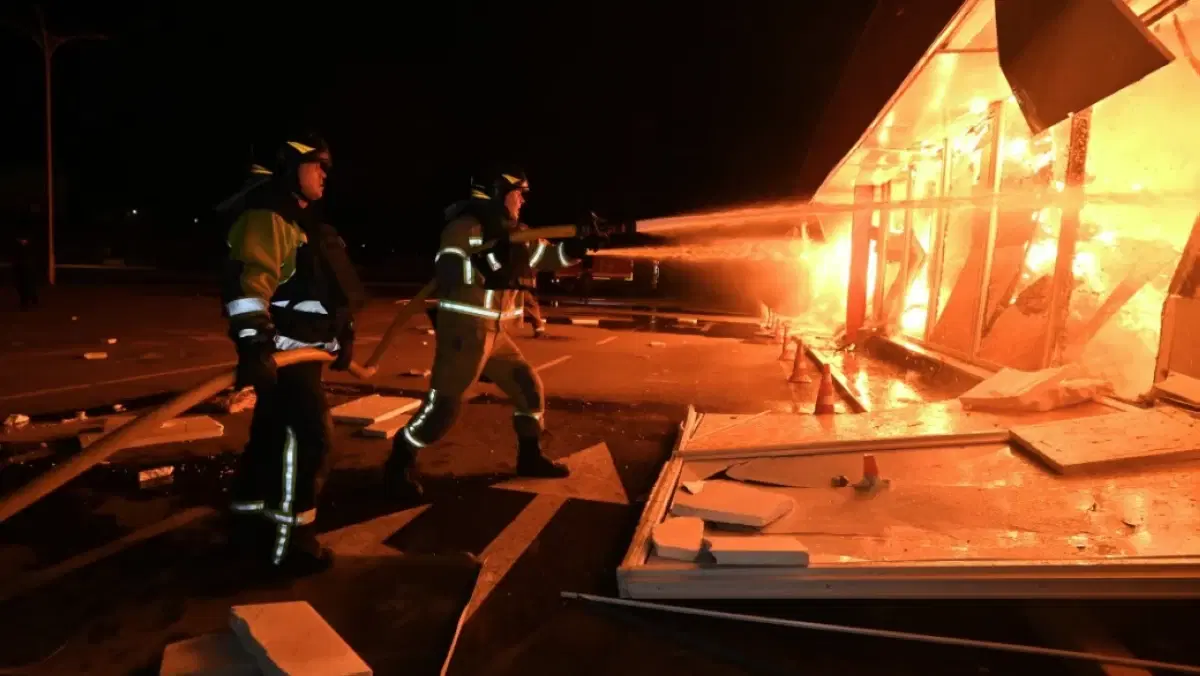
The war in the Middle East erupted on February 28, with strikes carried out by Israel and the United States on Iran.
A ceasefire that came into effect on April 8 between Iran and the United States ended the most violent phases of the fighting, with the exception of intermittent exchanges of attacks in the strategic Strait of Hormuz and its surroundings, which is considered a key corridor for global energy supplies.
Iran has asserted that it has maintained control over the strait since the outbreak of the war, and has repeatedly targeted ships that attempted to cross it without its permission. In return, the United States continues to impose a counter-naval blockade on Iranian ports.
The Pakistani mediator played an active role in drafting a memorandum of understanding between the two countries signed in mid-June, which was supposed to put an end to the conflict, but it quickly collapsed.
Know more about this story?Send us a tip
Ask about this report — answers stay grounded in its text.