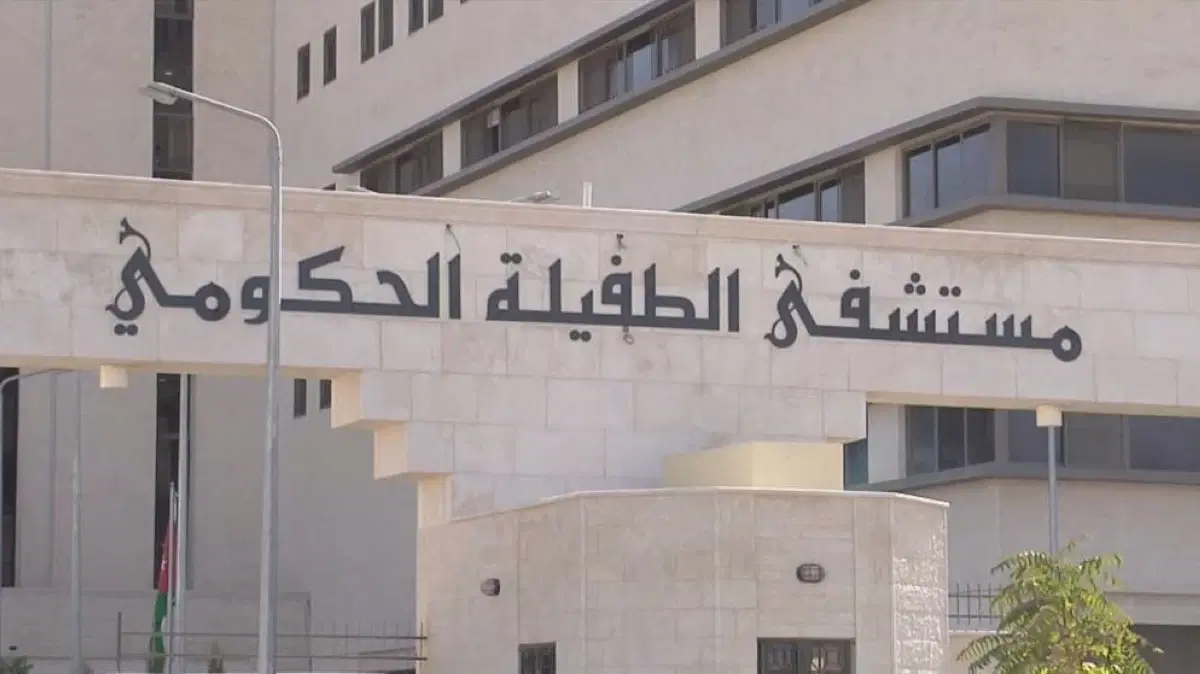
Dr. Hamza Al-Saqr, Director of Tafilah Government Hospital, said that the hospital recently received emergency cases of patients suffering from clear symptoms of brain stroke, including weakness in the limbs and deviation of the mouth. Upon their admission to the hospital, the medical staff activated the integrated system of the approved protocol, where intensive diagnostic and therapeutic interventions were performed under the supervision of neurology and emergency specialists, enabling the patients to fully recover their health and motor functions, leaving the hospital recovered within a few hours, which is medically known as the 'golden window' during which the fate of brain cells is decided.
Al-Saqr confirmed that this success is the result of the hospital's commitment to the unified treatment directives and protocols approved by the Ministry of Health for dealing with brain stroke patients.
He explained to 'Al-Rai' that activating the stroke unit and equipping it with cadres, medicines, and direct coordination with neurology specialists ensures immediate response to critical symptoms.
Abdullah Al-Khawaldeh appreciated the provision of the rapid stroke service at Tafilah Government Hospital, which gave the families a sense of health security, noting that the time factor in such cases was a major concern for citizens due to the distance to Amman.
Muhammad Al-Shibatat pointed out that activating modern protocols and localizing medical specialties in Tafilah reduces the heavy financial and logistical burdens borne by families during the transfer of their patients, and that investing in medical cadres and equipment in the peripheral governorates represents the actual gateway to service justice.