((Strait of Hormuz crisis)) continues with no horizon for a solution
Iran awaits US response to its proposal regarding the strait
Amman5 min read
Share
Mediators hope for a diplomatic solution to the crisis between Washington and Tehran
Iran announced that it is awaiting a response from the United States to its new proposal regarding the reopening of the Strait of Hormuz, while simultaneously threatening to attack infrastructure in the region unless it is allowed to export its oil, as the war in the Middle East entered its eighth month.
Amid the ongoing conflict—which began with a US-Israeli attack on Tehran on February 28—with no horizon for a resolution, diplomatic efforts for a settlement were resumed on the sidelines of the United Nations General Assembly meetings in New York this month.
Iranian Foreign Minister Abbas Araghchi met with Steve Witkoff, the envoy of US President Donald Trump, and Qatar also worked to facilitate indirect communication between the two sides.
Araghchi said on Monday that he expects to receive an official American response, according to state media reports.
He explained that the Qatari mediators he met in New York "put forward ideas and we discussed them, and it is scheduled that they will raise the issue again with the American side, after which the final American response will be conveyed to us."
Araghchi added that "the Qataris hope this will happen in the coming hours," continuing, "The current focus is exclusively on the Strait of Hormuz, and reopening the strait is contingent upon fulfilling certain conditions that we have communicated to the other party."
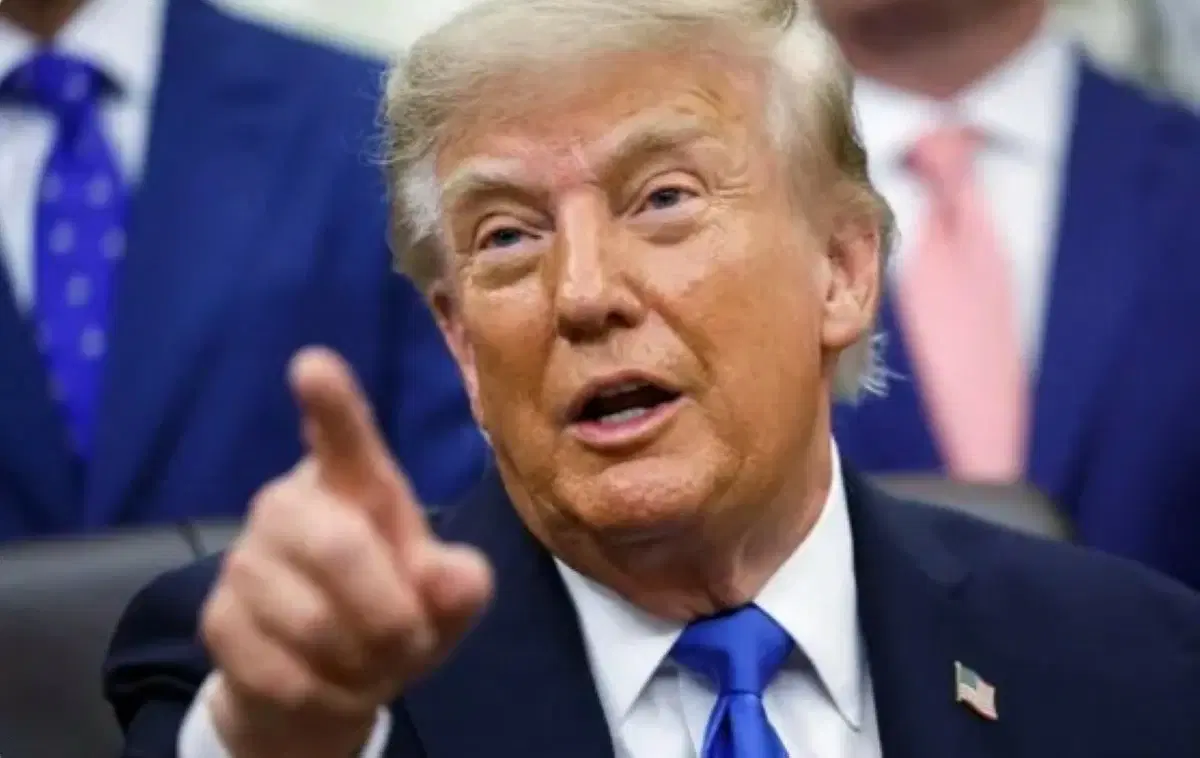
US President Donald Trump said on Sunday that he rejects a proposal put forward by Tehran to reopen the strait, before adding later that he expects talks to resume. He explained in press statements that the Iranians "want to make a deal, but it is not the deal I want to make."
Reports indicated that the Iranian proposal includes cementing a ceasefire on all fronts, including Lebanon—where the confrontation between Tehran's ally Hezbollah and Israel is taking place—and Yemen, where the escalation between the Houthi movement backed by Iran and Saudi Arabia is ongoing.
Tehran also wants the release of billions of dollars of its frozen assets and the lifting of the US blockade on its ports, on the condition that it reopens the Strait of Hormuz within seven days of the agreement.
The Strait of Hormuz, through which one-fifth of the world's oil and gas production passed before the war, constitutes a central focus of the conflict. Since the outbreak of the war, Tehran has effectively closed the strait, and Washington responded by imposing a blockade on the ports of the Islamic Republic.
The latter stressed on Sunday that it is sticking to its conditions for lifting restrictions on navigation in Hormuz.
These Iranian conditions do not differ from what was stated in an understanding reached between the two sides in June, which later collapsed due to the resumption of military operations on the ground and the failure to fully open the strait. However, press reports mentioned that what differs in the new proposal is that Iran is showing readiness to begin negotiations on its nuclear file within seven days, instead of the sixty days that were mentioned in the understanding.
On the other hand, Iranian Parliament Speaker Mohammad Bagher Ghalibaf threatened on Tuesday that Tehran would target infrastructure in the Middle East if the "security" of the Islamic Republic is not "achieved."
Ghalibaf, who led his country's negotiating delegation with Washington after the war, said, "Let America and other countries realize (...) that in the region where we do not sell our oil, no one will sell oil. And if our security is not achieved, no infrastructure will be safe."
During the war, Tehran responded to attacks against it by targeting Israel and countries in the region, particularly Gulf oil-exporting nations. While the Islamic Republic stressed that it is targeting military bases used by the United States, the strikes hit numerous civilian targets, including energy facilities. The war and the closure of the Strait of Hormuz caused a sharp rise in global fuel prices. Both the United States and Iran assert that they currently control the Strait of Hormuz.
After Trump stressed on Saturday that "massive amounts of oil" are coming out of the Strait of Hormuz, the Islamic Revolutionary Guard Corps (IRGC) said on Tuesday that "the American claim that the strait remains open is a false claim."
IRGC spokesman Hossein Mohebbi told journalists in Tehran that "smuggling a few hundred barrels of oil in secret under cover of darkness, with tracking devices turned off and at exorbitant costs, does not mean the strait is open." He renewed the warning that any ship attempting to cross outside the route designated by Iran "will be subjected to damage; either we will target it ourselves, or it will strike a mine."
Oil prices continued to rise on Tuesday amid fading hopes for an imminent agreement in the Middle East.