Iran insists on diplomatic solution after Trump rejects its proposal to stop the fighting
Amman4 min read
Share
Iran insisted on Sunday that diplomacy is the only way to resolve its conflict with the United States and Israel, after US President Donald Trump announced his rejection of an Iranian proposal to reopen the Strait of Hormuz and stop the fighting.
Iranian Foreign Minister Abbas Araqchi wrote on social media, "Our conditions are clear, and any step towards reopening the Strait of Hormuz is conditional on meeting these conditions."
He added, "A negotiated solution is the only way to get them out of this predicament."
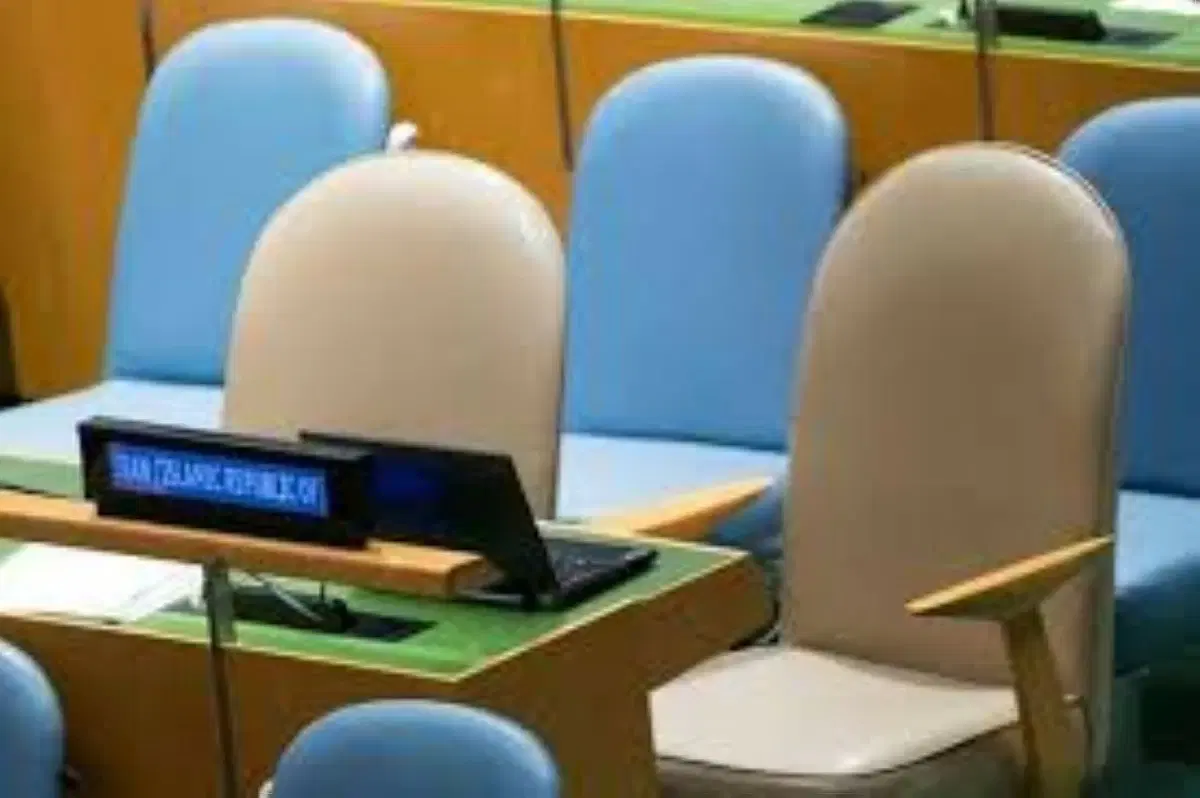
Iran had announced a peace proposal last week during the UN General Assembly in New York, saying the proposal was forwarded to the US side through Qatari mediators.
Trump said on Saturday that he rejects the plan, saying that desperation is what drives Iranians to seek an agreement on the strategic waterway.
Trump told reporters at the White House, "They want to make a deal to open the Strait of Hormuz immediately because they are suffering heavy losses."
Despite Trump's public statements, Araqchi mentioned that the mediators in the talks between the United States and Iran have not officially conveyed a US rejection of the plan.
Araqchi wrote, "We are waiting for the mediators to convey the final views to us, and we will make a decision based on that."
The United States has imposed an economic embargo on Iran to pressure it to stop its attacks on ships in the Strait of Hormuz, which have led to a sharp decline in navigation through the strait, even as Trump repeatedly asserts that the United States controls the waterway.
The Wall Street Journal was the first to report Trump's rejection of the Iranian proposal, citing unnamed US officials.
The newspaper added that Trump had expressed doubts in an undeclared manner that Iran would meet his demands, and told his staff that he saw the possibility of launching a new bombing campaign on Tehran after the US midterm elections in November.
An earlier US official had stated that discussions with Iran through mediators were "positive and constructive."
- Conflict hampers oil flows
Iranians have been in contact with the Saudis regarding the strait, underscoring the seriousness of the seven-month-old conflict that has disrupted oil flows through one of the world's most important shipping lanes and negatively impacted the global economy.
Iranian Foreign Minister Abbas Araqchi told journalists at the UN on Friday that the agreement would lead to a seven-day countdown to reopen the strait and stop the fighting in the region.
Araqchi said, "If there is a serious intention from the US side to reach an agreement and reopen the Strait of Hormuz, everything is ready now."
He added that if the United States agrees, the warring parties can start broader talks "on mutually agreed issues."
This may include discussions on Iran's nuclear program. Trump has vowed that Tehran will never get a nuclear bomb, while a senior Iranian official told Reuters that Iran will not show flexibility on its nuclear program even if the United States accepts its proposed agreement to end the war.
The official added that Iran will not make concessions on its rights, including uranium enrichment or shipping enriched uranium out of the country.
Iranian President Masoud Pezeshkian said in an interview with CBS that Tehran is ready to talk about its nuclear program and other issues but will not accept "bullying or coercion."
Pezeshkian said, "Iran is not seeking war, but it will defend itself against pressure, threats, and attacks," adding that it has already agreed "not to develop nuclear weapons."
Previous diplomatic efforts have failed to end the war, which broke out on February 28 with US and Israeli attacks. Since then, the pace of the war has varied between periods of calm and renewed strikes, causing thousands of deaths, weakening Iran's conventional forces, and damaging the already struggling Iranian economy.
Iran and its allies have expanded the conflict to include other countries in the region. Iran, which controls the strait jointly with Oman, has launched drone and missile attacks on US allies in the Gulf, while its Houthi allies in Yemen have targeted Saudi interests.
The Saudi-led coalition in Yemen said on Saturday that it intercepted two ballistic missiles and two drones launched by the Houthis towards the kingdom.