Hormuz Strait: Iran Awaits US Response on Reopening Conditions
Agencies4 min read
Share
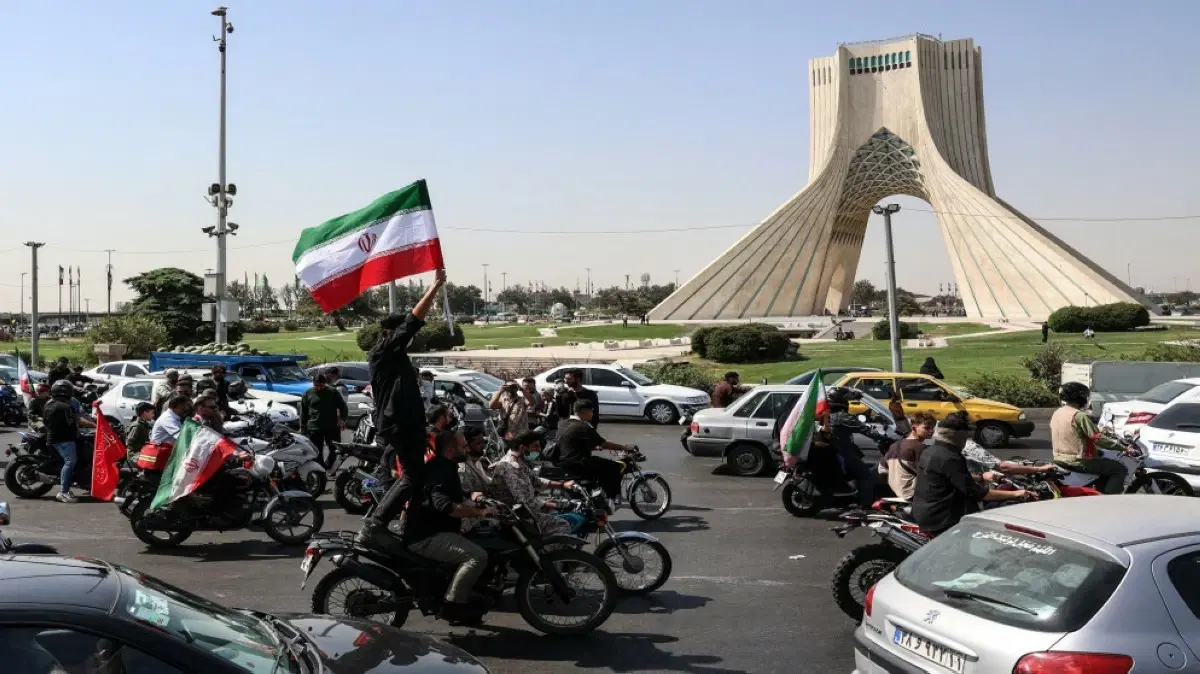
Iran held firm on its conditions for reopening the Strait of Hormuz on Sunday, despite US President Donald Trump rejecting an Iranian proposal to reopen the waterway and halt fighting, while Tehran awaits the final US position through mediators.
Iranian Foreign Minister Abbas Araqchi said, "Our conditions are clear," and that any step towards reopening the Strait of Hormuz is contingent on meeting them, affirming that Tehran will not back down and that a negotiated solution is the way out of the crisis.
Last week, Iran proposed during the UN General Assembly meetings in New York, a proposal that includes reopening the strait within 7 days and halting fighting, to be followed by broader negotiations on agreed issues, including the nuclear file.
Araqchi said that if the United States agrees, the deal will start a 7-day countdown to reopen the strait and halt fighting, adding that "everything is ready" to begin broader talks.
Iranian conditions include lifting the naval blockade on ports, releasing frozen funds, halting threats on the Iranian and Lebanese fronts, and lifting sanctions imposed after the memorandum of understanding.
Trump rejected the Iranian proposal on Saturday, saying that Tehran is seeking an agreement on the strait due to what he described as heavy losses it is incurring.
Despite Trump's announcement, Araqchi said that mediators have not officially conveyed a final US rejection of the proposal, and that Tehran is waiting for the final position before making a decision, while the Iranian delegation in New York extended its stay until Wednesday to continue diplomatic contacts.
The editor-in-chief of the Iranian newspaper Al-Wefaq, Mukhtar Haddad, said that reliance on Qatari mediation reflects, in his estimation, that Trump's public statements do not necessarily represent the final US position, in the absence of a formal written response to the Iranian side.
Haddad considered the proposal to open the strait within 7 days and return to the memorandum of understanding as a balanced initiative, while saying that Tehran seeks through it to resume the negotiation track on the nuclear file.
Iranian President Masoud Pezeshkian said that Tehran is ready to hold talks on its nuclear program and other issues, but will not accept "bullying or coercion," affirming that Iran does not seek war and will defend itself against pressures, threats, and attacks.
Pezeshkian added that Iran has already agreed not to develop nuclear weapons, while a senior Iranian official said that Tehran will not make concessions on its rights, including uranium enrichment or shipping highly enriched uranium out of the country.
In contrast, Gabriel Soma, a former member of Trump's campaign advisory council, said that Washington links any agreement to halting Iran's nuclear weapon production and signing the Non-Proliferation Treaty, along with halting the increase in ballistic missile production and stopping interference in the affairs of neighboring countries.
According to Soma, Tehran's support for allied groups in the region is also one of the files on the table in any negotiation with Washington.
These contacts come as the ongoing conflict for 7 months has led to a sharp decline in navigation traffic through the Strait of Hormuz, one of the world's most important oil shipping lanes, with repercussions on global energy flows and the world economy.
Iran has contacted Saudi Arabia regarding the strait, while the scope of the conflict has expanded to include other countries in the region.
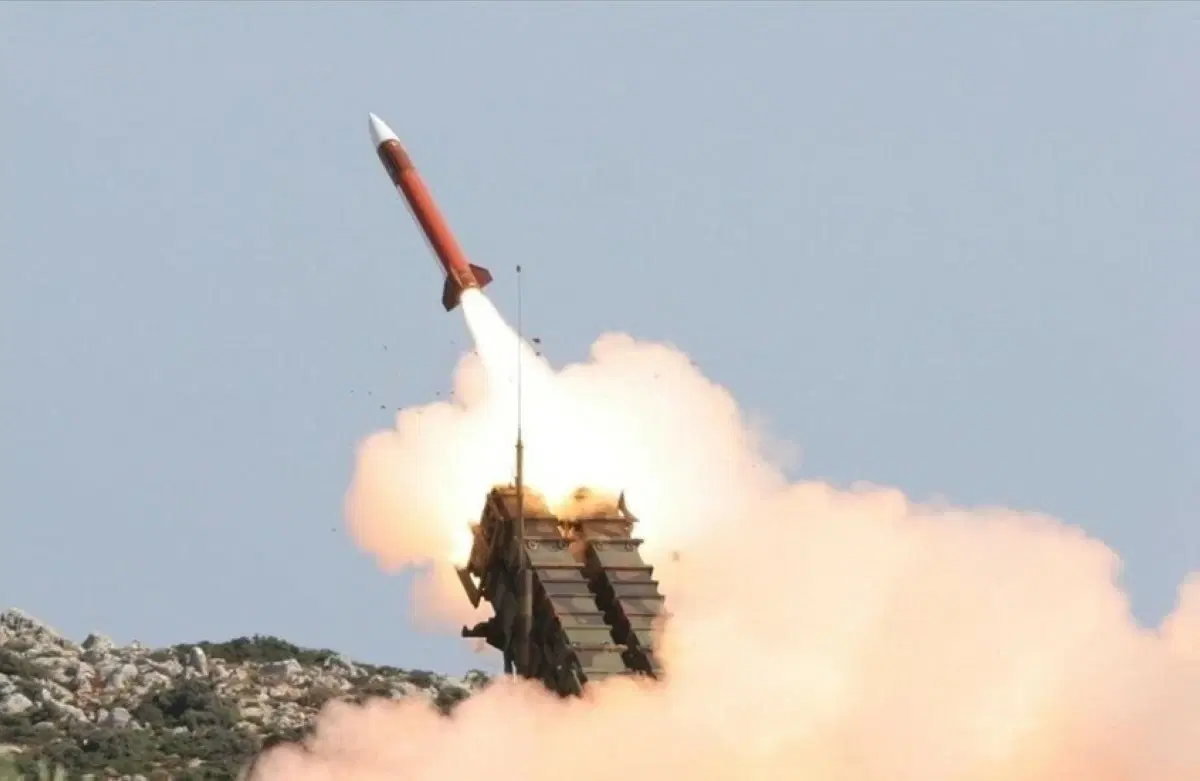
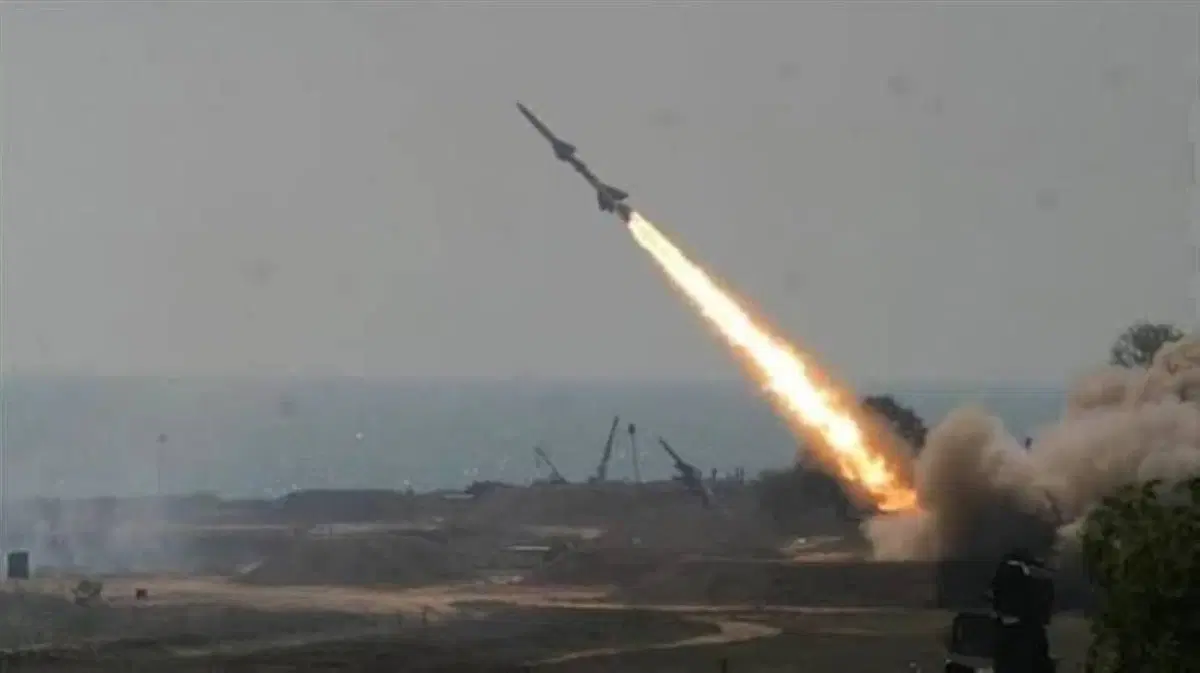
The Saudi-led coalition in Yemen said on Saturday that it intercepted two ballistic missiles and two drones launched by the Houthi group towards the Kingdom.
Parallel to the diplomatic track, the Iranian Army Commander said that the war is not over, calling for readiness to deliver strong blows to the "enemy," considering that the continuation of instability will affect the countries of the region.
He called on neighboring countries to take into account the repercussions of cooperation with the United States, saying that achieving regional security requires the withdrawal of the United States and Israel from the region.
Iranian Armed Forces spokesman Abu al-Fadl Shekarchi said that Iran controls the Strait of Hormuz and is ready for any confrontation, rejecting any US management of the strait.
The Iranian entity responsible for the strait warned ships against using "illegal routes," noting that this may expose ships and their crews to financial and human losses and affect their future passage.