*Sharkas: The Jordanian banking sector has expertise that can be utilized to support and finance trade and payments with Syria.
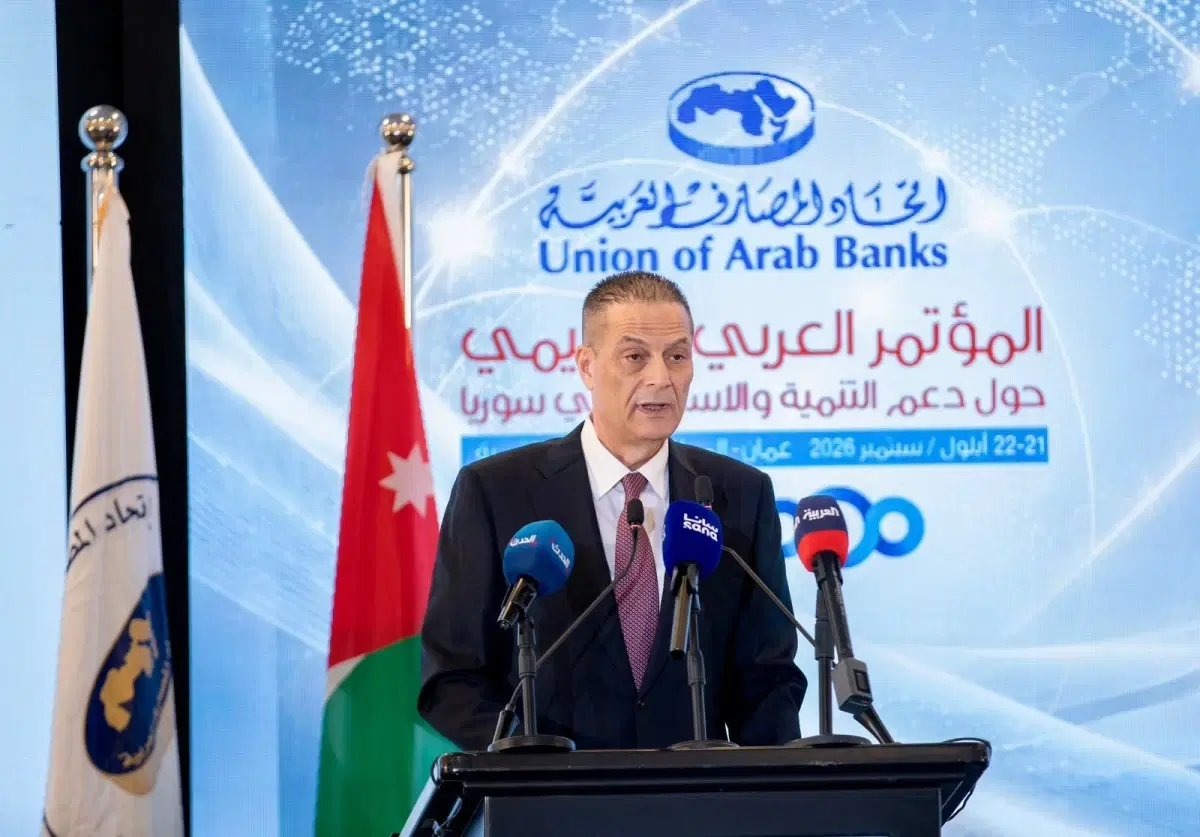
The Governor of the Central Bank of Jordan, Dr. Adel Sharkas, confirmed that the recovery and prosperity of the Syrian economy are of direct interest to Jordan, stemming from the shared economic interests and close ties between the two countries. He pointed out that the success of the recovery path in Syria will contribute to revitalizing trade, transport, and transit movements, and enhance the interconnectedness of markets and supply chains, which will have a positive impact on Syria and its Arab surroundings. This was stated in a speech delivered by Sharkas during the opening of the Arab Regional Conference on Supporting Development and Investment in Syria, organized by the Union of Arab Banks in Amman on September 21 and 22, under the title: "Arab Economic and Banking Partnership towards Supporting Development and Investment in Syria".
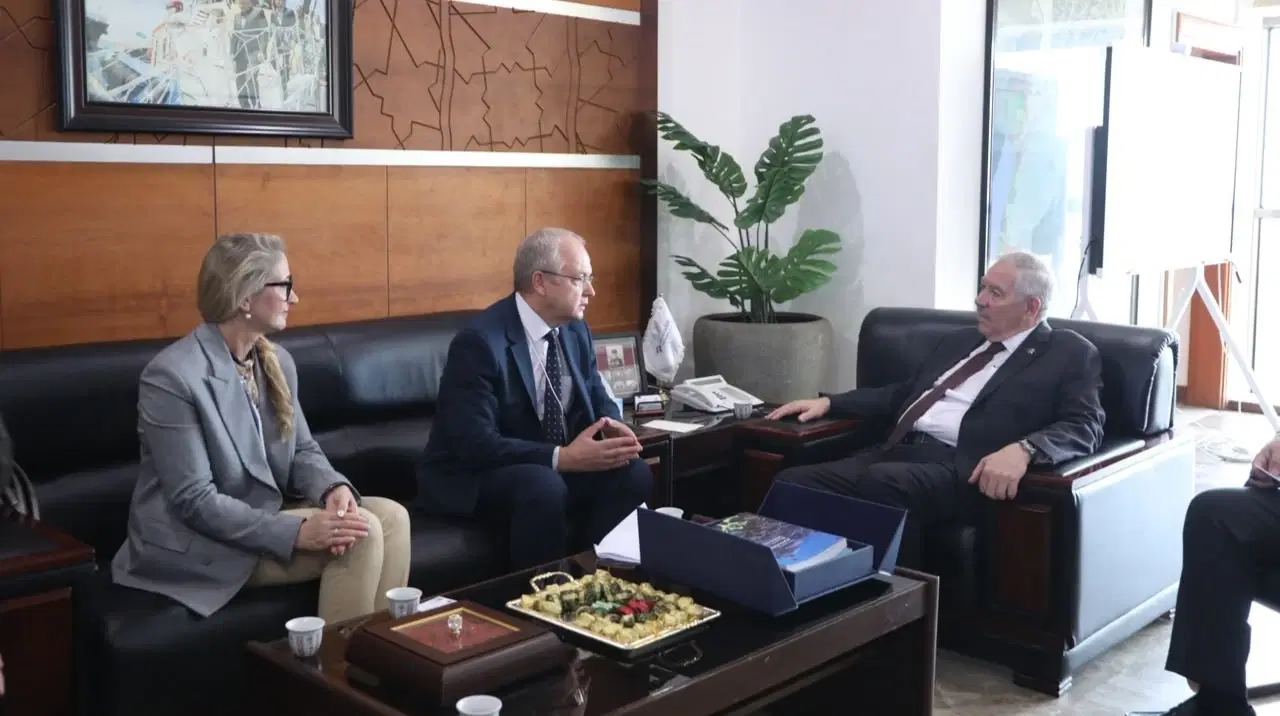
Sharkas said that Jordan and Syria are linked by mutual economic interests that make supporting the recovery of the Syrian economy and enhancing its ability to restore its economic activity a priority of mutual interest, affirming that supporting the recovery of sister Syria represents a shared Arab responsibility, and at the same time a mutual economic interest, due to the potential positive effects on trade, investment, transport, and economic ties between Syria and Arab countries. He pointed out that the importance of this stage goes beyond bilateral relations, in light of the economic and geopolitical transformations that impose an increasing need to enhance Arab cooperation as a strategic option to raise the capacity of Arab economies to face transformations, expand areas of cooperation between them, and benefit from the resources, expertise, and opportunities available in the region. In this context, Sharkas confirmed that the Jordanian banking sector has accumulated technical and institutional expertise, along with a wide network of banking relations, which can be utilized to support economic and banking cooperation with Syria, especially in the fields of trade financing, developing payment and transfer channels, and exchanging expertise in supervision, governance, and risk management, in addition to digital financial services. He explained that cooperation between the central banks and the concerned financial and banking institutions can provide a practical framework for developing these areas, which contributes to facilitating trade and payment movements and enhancing financial ties between the two countries, within the legislative and regulatory frameworks in each country.
Sharkas confirmed that Jordan looks forward to cooperation with Syria forming the beginning of a broader Arab economic and banking partnership, in which the roles of banks, financial institutions, and investors are integrated, and expertise meets resources and opportunities, which supports development and investment efforts and contributes to building more sustainable economic ties between Syria and its Arab surroundings.
The conference witnesses a wide participation from senior bankers, investors, and business owners, alongside representatives of Arab and developmental funds and institutions interested in the Syrian market.