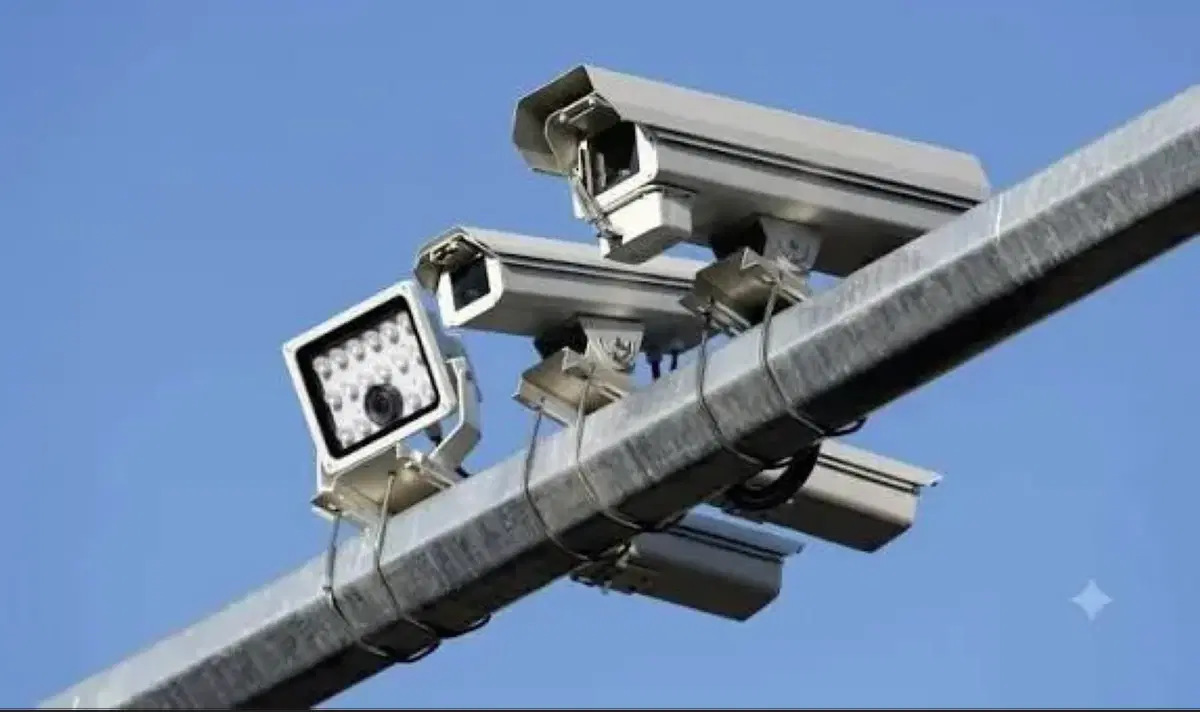
He indicated that axle load violations are among the most significant factors affecting road surfaces, due to the damage and depressions they cause in some areas, while oil and fuel spills lead to the decomposition of asphalt and damage to the road layer, which may cause potholes and depressions to appear.
Al-Maharmeh pointed out that the Ministry will deal with the violations detected by the cameras in coordination with the relevant agencies and authorities, including impounding offending vehicles and issuing the necessary citations against them, with the aim of curbing these practices and preserving road infrastructure.
He added that the camera system will contribute to accelerating the response to fuel or oil spills on roads, as these situations require rapid intervention to address them before they affect traffic flow and the safety of road users.
He emphasized that the human element will remain present in the monitoring process, as Ministry staff will follow up on what the cameras detect, review the captured images, and verify the occurrence of the violation before taking the necessary legal and administrative measures.
Al-Maharmeh noted that the cameras used include both fixed cameras and mobile ones mounted on Ministry vehicles, operating through road inspection patrols belonging to Public Works directorates across the Kingdom's governorates.
"Tarasul 2" reduces correspondence costs by 90 percent
In a related context, Al-Maharmeh said that the Ministry of Public Works began using the "Tarasul 2" system about two weeks ago, in cooperation with the Ministry of Digital Economy and Entrepreneurship, with the aim of developing the official correspondence mechanism and accelerating its circulation between government agencies.
He explained that the system contributes to reducing printing and paper supply costs by about 90 percent, which achieves financial savings, in addition to accelerating the circulation of correspondence between the Ministry and other institutions and entities, as well as within the Ministry itself.
He added that the system enhances the protection of official correspondence from tampering and forgery through a "QR Code" placed on every letter, memo, or document issued by the Ministry, ensuring the verification of the document's source, reliability, and the integrity of its circulation.