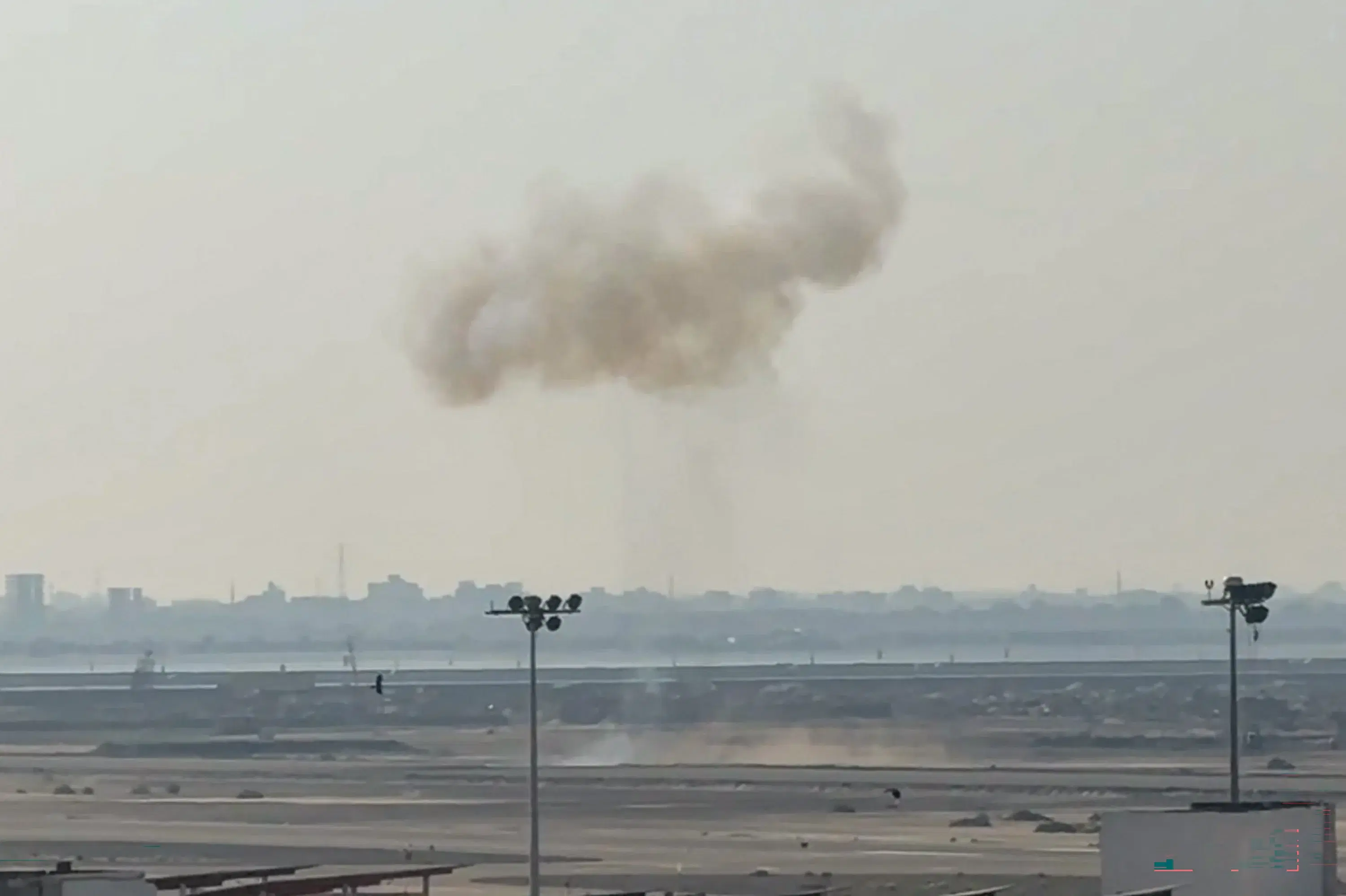
On Irbid Hill.. The mosque and the church are witnesses to the values of citizenship, brotherhood, and Jordanian solidarity
Amman6 min read
Share
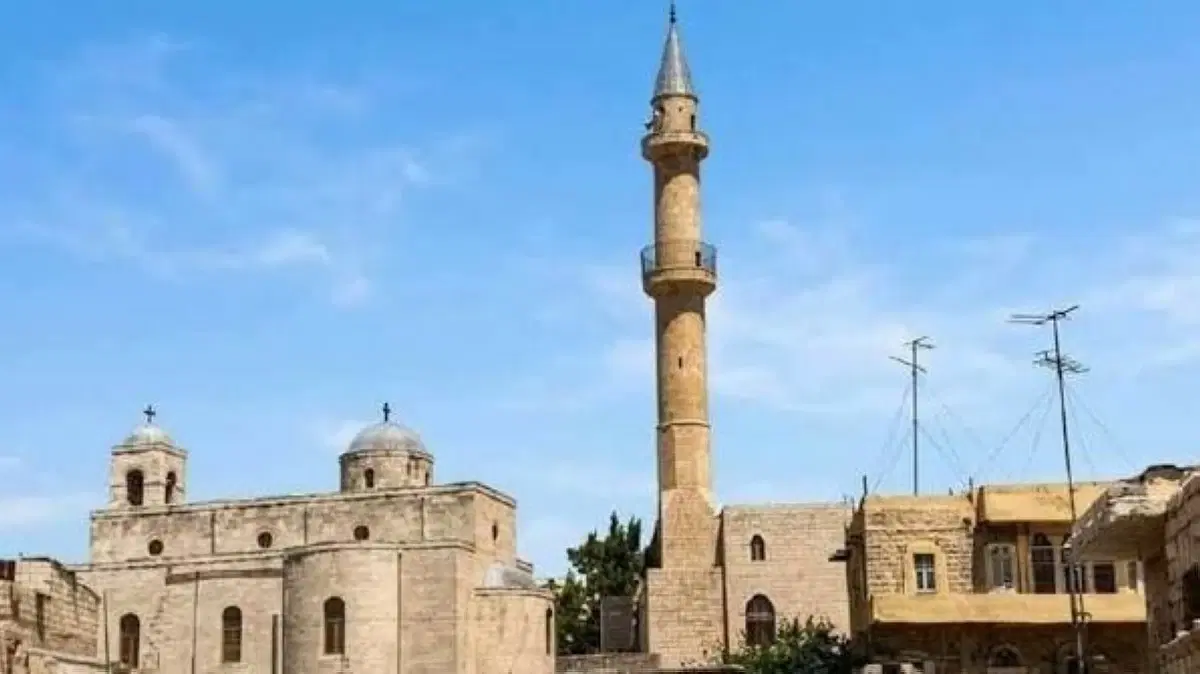
On the historic Irbid Hill, where the city leans on the memory of the place and recalls the stories of its people generation after generation, the church stands beside the mosque in a scene that appears to those who contemplate it as a stone embrace, in which long decades of human neighborliness are summarized, and its details narrate chapters of the city's history and the lives of its people, regardless of their beliefs, and the bonds of brotherhood and harmony they have woven across generations.
There, the church, which dates back to 1870 and was rebuilt in 1954, does not seem strange to the surroundings of the mosque, which transformed in 1960 from a small prayer hall into a mosque bearing the name of Prince Abdullah. Rather, they stand adjacent to one another in a spatial intimacy that reflects the nature of life known in Irbid, as in many Jordanian cities and villages, where people's relationships intertwined in markets, neighborhoods, schools, and occasions, and the bonds of neighborliness and belonging to the land remained broader than religious differences, forming brotherhood and citizenship as the foundation for relationships between members of the same society.
This scene, in the aftermath of the attack that targeted the church in the town of Al-Hamoud in Karak Governorate, gains a double human and national significance, as it reaffirms that places of worship are not merely places for performing rituals, but spaces that bring people together on the values of love, tolerance, and mutual respect. It also highlights the importance of preserving the Jordanian social fabric and consolidating the culture of coexistence and citizenship, which have always been features of Jordanian society, in the face of everything that might undermine its unity and cohesion.
Professor of Archaeology and Heritage at Yarmouk University, Dr. Ziad Al-Saad, said that the archaeological and civilizational evidence in Jordan provides firm proof of the depth of coexistence and brotherhood between Muslims and Christians throughout history. This land has embraced, throughout the ages, shared human and civilizational experiences in which followers of both religions contributed to building society and preserving its cultural and national identity, noting that Jordanian history, with its evidence of pluralism and civilizational communication, confirms that coexistence is not an emergency state, but an authentic part of the society's identity and conscience.
He pointed out that Jordan's strength lies in the cohesion of its social fabric and the ability of its people to turn adversities into positions that strengthen unity, national and moral responsibility in protecting authentic values, confronting extremist ideology, and rejecting hatred, noting that awareness of Jordan's history and its civilizational values constitutes a fundamental pillar for consolidating a culture of security and peace and strengthening trust between the components of society, in a way that preserves its human legacy for future generations.
For his part, the former Director of Moral Guidance, retired Brigadier General Mukhlis Al-Mufleh, said that confronting extremist and Takfiri ideology is no less important than confronting traditional military threats, due to the danger it poses to national awareness and the cohesion of the internal front, stressing that countering it requires the integration of security, intellectual, media, religious, and educational efforts, strengthening the values of citizenship and national belonging, and refuting extremist ideas with argument and knowledge.
He added that societal solidarity represents the first line of defense in the face of strife and attempts to sow division among the people of the same nation, stressing that protecting national security is a shared responsibility that requires the cooperation of state institutions, the family, the school, the university, and civil society institutions, and the consolidation of awareness and confronting rumors and misinformation, in a way that enhances intellectual immunity, denies extremism any incubator environment, and preserves the unity of the ranks and the stability of the Kingdom.
In turn, activist Dr. Khaldoun Nuseir said that Takfiri and terrorist ideology does not represent Islam or Muslims, but is based on rejecting the other and shedding blood, stressing that targeting places of worship and innocent people constitutes an attack on all of Jordan, and an attempt to undermine its social fabric and the relationships of brotherhood and shared destiny between Muslims and Christians, which have been cemented by the bonds of land, history, neighborliness, national stances, and shared sacrifices, and constitute an authentic cornerstone of the Jordanian national identity.
He added that confronting extremist ideology requires addressing the ideas that fuel it, strengthening societal awareness, and consolidating the values of citizenship, tolerance, and acceptance of the other, noting that preserving national unity is a shared responsibility among Jordanians, and that rallying around the state and its security apparatuses and confronting rumors and attempts to sow division represent a fundamental pillar for protecting national security.
For her part, Dr. Marcel Jweinat from the Faculty of Media at Yarmouk University emphasized that what brings Jordanians, Muslims and Christians, together in terms of values of brotherhood, tolerance, citizenship, and belonging to the homeland, forms a firm foundation for national unity and societal cohesion, stressing that the attempts of terrorism and extremist ideology to sow division and hatred will not undermine the strength of the Jordanian social fabric, which is based on a history of coexistence, mutual respect, and living together under the umbrella of citizenship.
She pointed out that universities play a pivotal role in spreading awareness and confronting extremist ideology by consolidating a culture of dialogue, tolerance, and acceptance of the other, and enhancing critical thinking and social responsibility among youth, noting that protecting national unity requires the concerted efforts of educational and media institutions and various components of society, in a way that enhances the values of citizenship and preserves Jordan's security and stability.
For his part, activist Boutros Maayeh said that terrorism has no religion, and that targeting places of worship does not affect a specific group, but constitutes an attack on human values and the unity of Jordanians of all spectrums and beliefs, noting that Jordan will remain a land of tolerance and coexistence between followers of religions, and that the bonds of brotherhood, belonging, and citizenship that unite Jordanians are too deep to be affected by attempts at strife.
He added that societal solidarity, national unity, and the rallying of Jordanians around their homeland and their wise Hashemite leadership will remain the solid wall to preserve the homeland as a model in the region in its security and stability, noting that Jordan, which has kept in its memory the stories of the adjacent mosque and church, is capable of turning adversities into positions of solidarity that renew the covenant of brotherhood and strengthen the belief of its people that the homeland is big enough for everyone.