«MPs in the Field» affirms the centrality of the private medical sector and demands the payment of its dues
Amman4 min read
Share
The "MPs in the Field" initiative has emphasized the important role played by private hospitals in alleviating the burden and pressure on government hospitals by accommodating numbers of patients and providing advanced medical services, which enhances the healthcare system in the governorate and the Kingdom.
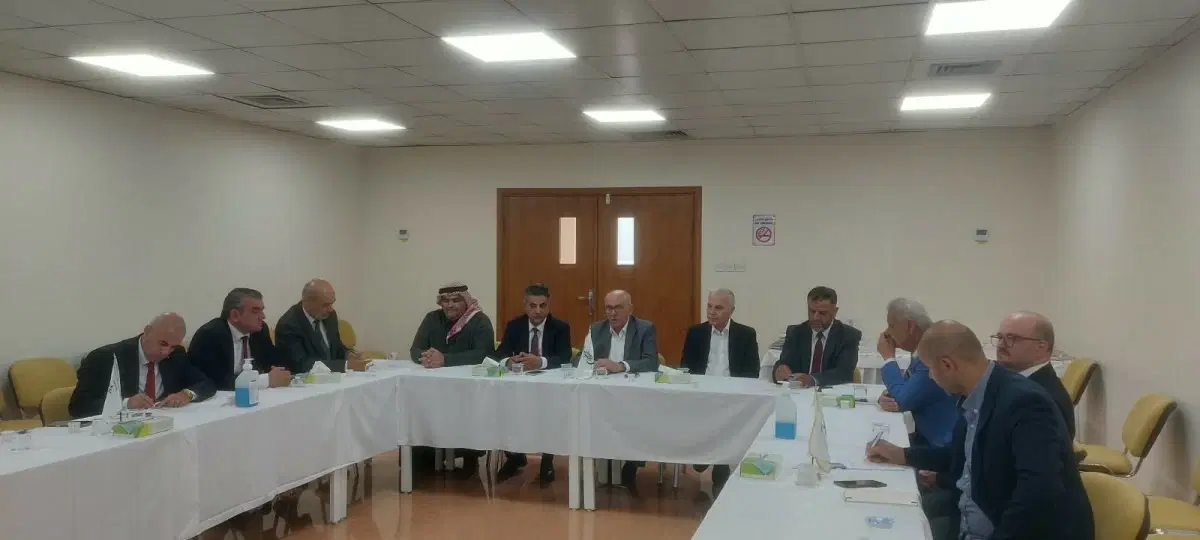
This came during a meeting between the initiative and representatives of private sector hospitals in Irbid Governorate, hosted by the Irbid Specialty Hospital, in the presence of the initiative's delegation which included MPs Dr. Abdul Nasser Al-Khasawneh, Muayyad Al-Alawneh, and Abdul Halim Al-Ananbeh, accompanied by MPs Bassam Al-Rawabdeh and Salem Abu Doula.
In the presence of hospital representatives—Dr. Wasfi Al-Rushdan representing Irbid Specialty Hospital, Dr. Rami Al-Omari representing the Rosary Sisters Hospital, and Dr. Hussam Al-Rousan representing Ibn Al-Nafees Hospital—they called
for the importance of the government paying its financial dues owed to private sector hospitals in exchange for treating patients referred at the expense of government medical insurance, to ensure the continuity of these hospitals, the sustainability of their work, and their ability to provide medical services to citizens.
MP Dr. Abdul Nasser Al-Khasawneh stressed the importance of establishing a genuine and effective partnership between the public and private sectors in the health field, pointing out that private sector hospitals possess modern and advanced medical equipment and specialized competencies, which reflects on the level of medical service provided to citizens.
He said that private hospitals also contribute to employing the governorate's residents, reducing unemployment, and stimulating economic activity, pointing out that their continuity and the development of their services require addressing the challenges they face, foremost of which are the financial dues owed by the government. He emphasized that this sector enjoys great confidence at the local, Arab, and international levels due to the distinguished competencies and expertise it includes.
Al-Khasawneh affirmed that the initiative will convey the challenges and demands raised by private hospital representatives to the government and concerned authorities, and work to remove and overcome obstacles, considering the private health sector a strategic partner in maintaining health security and providing medical care to citizens.
MPs Muayyad Al-Alawneh, Abdul Halim Al-Ananbeh, Salem Abu Doula, and Bassam Al-Rawabdeh called for the necessity of facilitating the procedures in private hospitals and making them more flexible and simplified for visitors and patients, to ensure they receive medical service quickly and to relieve them of administrative and routine burdens, thereby enhancing the efficiency of response to health and emergency conditions.
For his part, the Director of Irbid Specialty Hospital, Dr. Wasfi Al-Rushdan, said that the "MPs in the Field" initiative represents an important and first-of-its-kind experience, reflecting the MPs' keenness to communicate directly with the local community and various sectors and listen to the challenges they face in a way that serves the public interest.
He added that the hospital deals with about 10 million dinars annually with the local market, which positively reflects on various sectors, in addition to its role in providing job opportunities and delivering distinguished medical care in light of the modern and advanced equipment it houses, contributing to enhancing the level of services and the medical reputation of the hospital.
Al-Rushdan pointed out that there are financial dues owed to the hospital by the government for kidney dialysis services dating back to 2022 that have not been paid yet, in addition to about two and a quarter million dinars for treatments of government health insurance patients. He noted that the hospital also faces some issues when dealing with government medical insurance, especially regarding approvals and dispensing medications, which leads to delays in some procedures and disrupts the provision of medical service.
He pointed out that Irbid Specialty Hospital, according to estimates by local and international entities, is classified among the advanced hospitals in Jordan due to its advanced departments and specializations in the fields of brain, heart, catheterization, and isolation, alongside modern medical equipment and specialized competencies.
Regarding medical tourism, Al-Rushdan pointed out that the sector has witnessed a significant decline during the past period despite Jordan's excellence and advancement in the field of medical services and healthcare, noting that the hospital pays annual amounts to the Jordan Tourism Board.
Al-Rushdan called for a review of medical tourism policies, support mechanisms, and revitalization to enhance Jordan's ability to attract patients from abroad, and to benefit from the advanced level reached by Jordanian medical services, which will reflect on the national economy and support hospitals and medical staff.