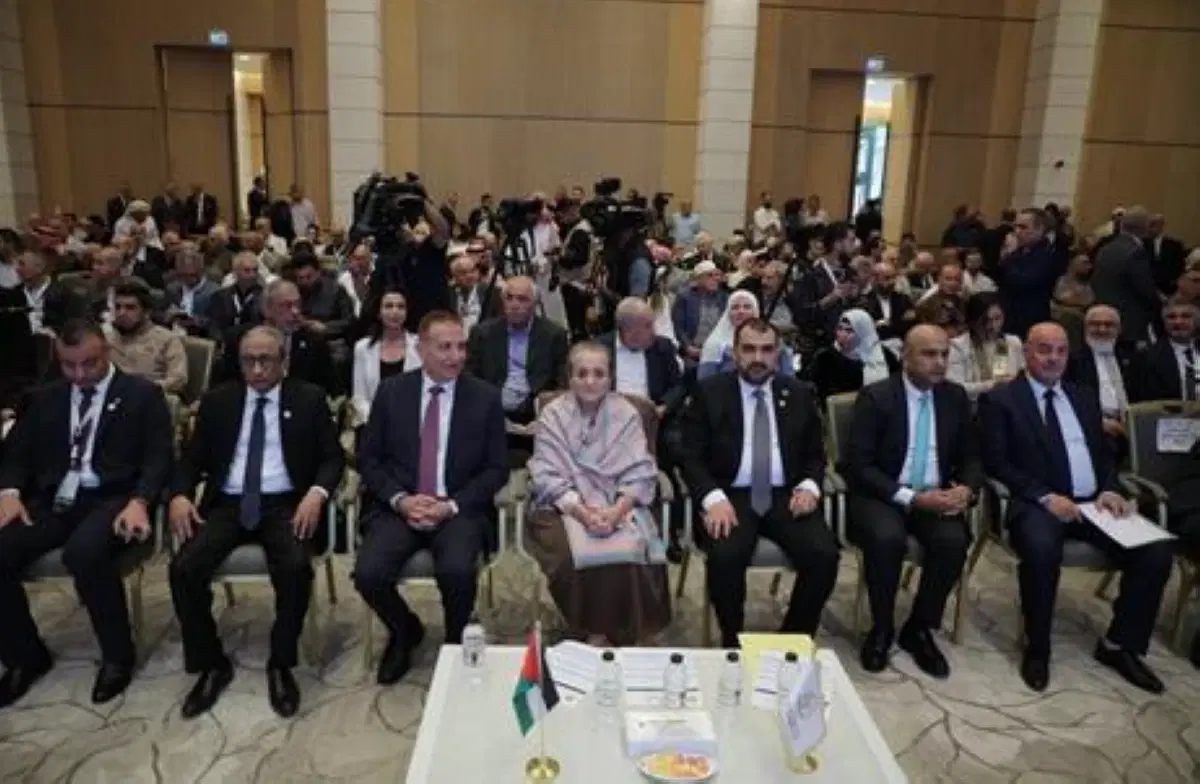
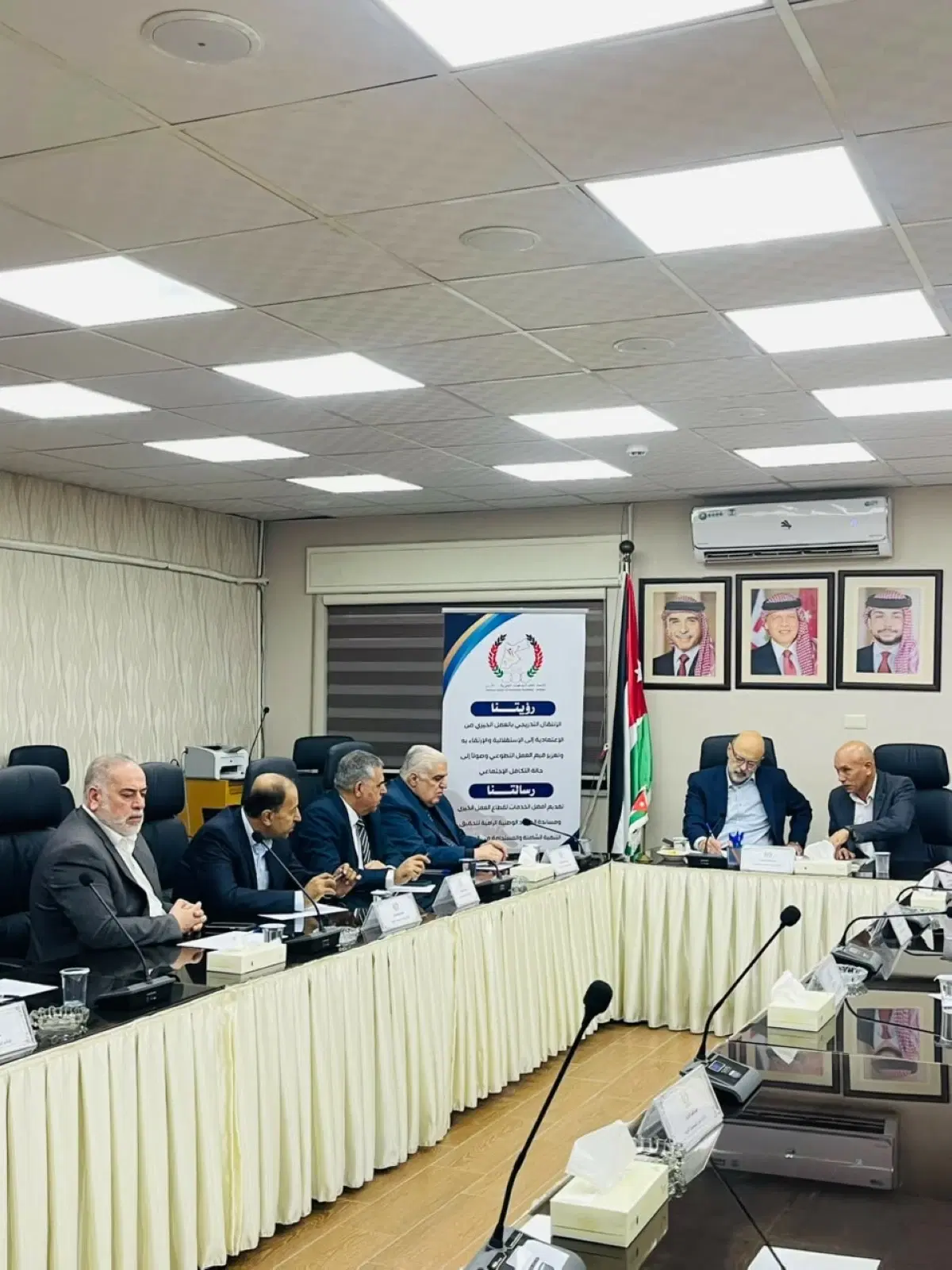
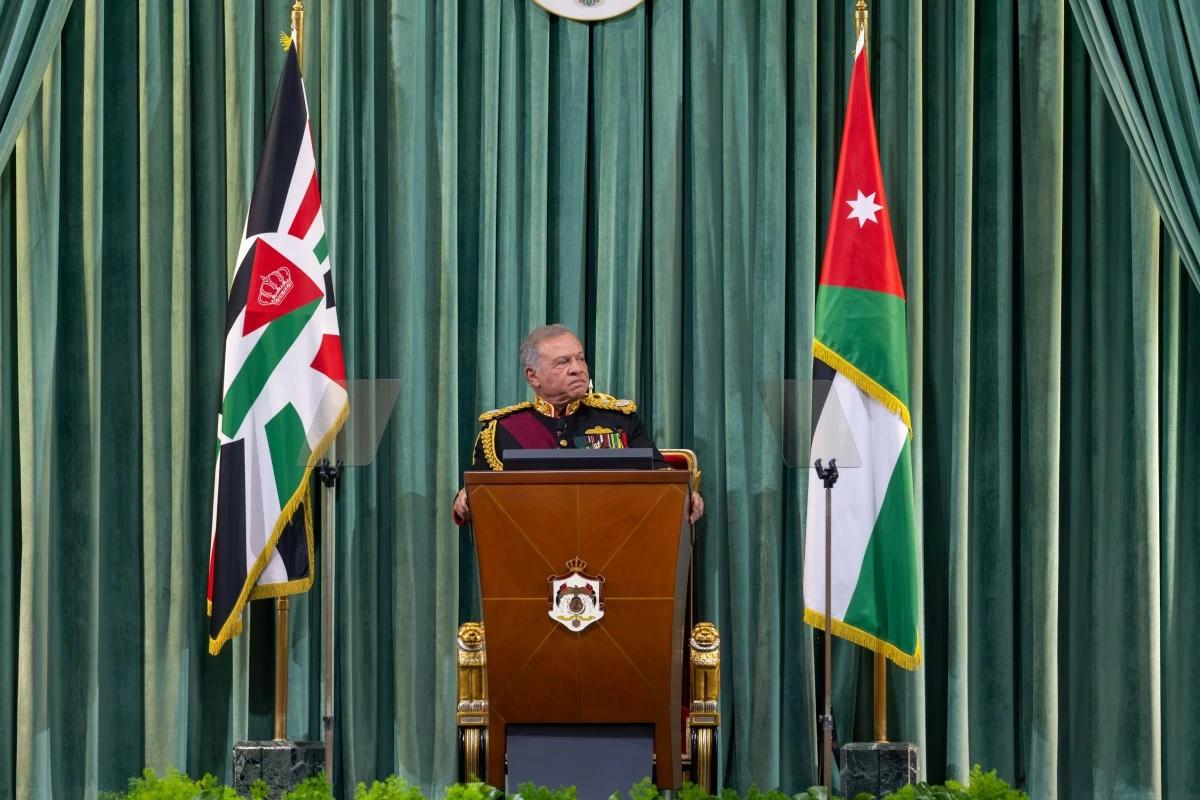
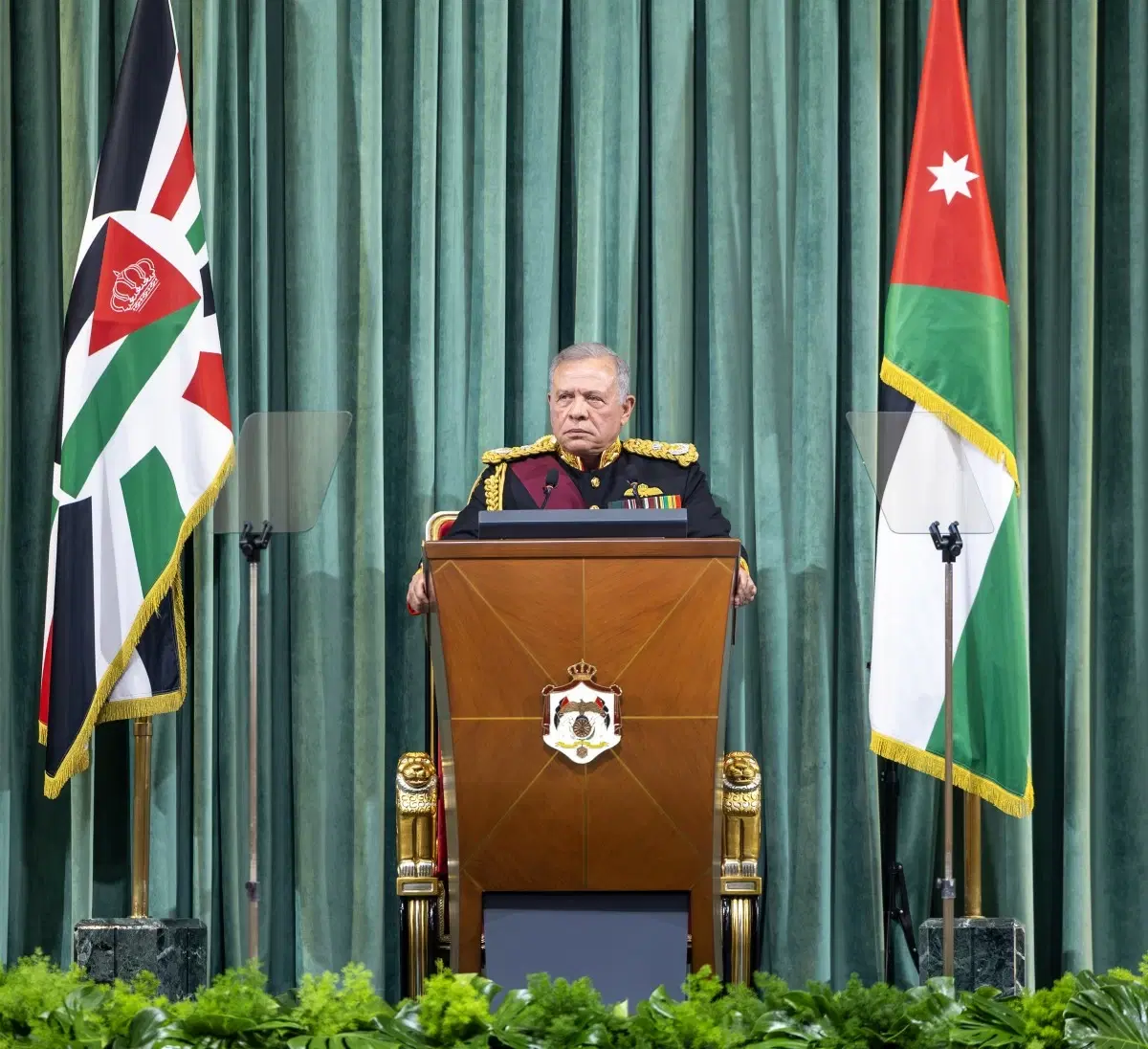
In his speech during the opening of the conference, Khreisat emphasized that Jordan's hosting of this event embodies the Kingdom's keenness to strengthen joint Arab action, exchange experiences and scientific research results to develop the agricultural sector, support innovation and scientific research, and build effective partnerships that contribute to achieving sustainable agricultural development and enhancing food security.
He pointed out that the importance of the bee sector goes beyond just honey production and marketing, representing an integrated system closely linked to the sustainability of agricultural production, the preservation of biodiversity, and the stability of ecosystems through the essential role of bees in plant pollination, in addition to its pivotal role in providing job opportunities and enhancing income sources for rural families.
Khreisat reviewed the most prominent indicators of the sector in the Kingdom, noting that there are nearly three thousand beekeepers in Jordan, including 450 licensed by the Ministry of Agriculture, managing about 91,000 beehives. The Kingdom's annual production is estimated at about 800 to 900 tons of honey, covering about 30% of local consumption, while the annual direct revenues for the sector reach about 20 million Jordanian Dinars.
He pointed out that there are many challenges facing this sector, foremost among them being climate change, water scarcity, the decline of natural pastures in some areas, the spread of pests and diseases affecting bee colonies, as well as the high costs of production inputs.
He affirmed that the Ministry of Agriculture attaches supreme importance to developing an integrated system to support the sector, based on improving technical practices, strengthening extension and training programs, developing scientific research, utilizing modern technologies in apiary management and pest control, empowering youth and rural women, and encouraging small and medium enterprises to support rural economic development.
In closing his speech, the Minister of Agriculture expressed his hopes that the conference sessions, workshops, and accompanying exhibition would result in actionable recommendations that support beekeepers, increase production efficiency, and open broader horizons for marketing and export, as well as launching joint Arab initiatives that serve the bee sector and enhance the Arab agricultural economy.
For his part, Eng. Muath Kazem, head of the Jordanian Beekeepers Union, affirmed that the Hashemite Kingdom of Jordan's hosting of the 16th Arab Beekeepers Union Conference represents an important milestone for enhancing Arab cooperation and unifying efforts to advance the beekeeping and honey production sector, in light of the growing challenges facing this sector at both the regional and international levels.
He highlighted the importance of exchanging successful experiences and practices, benefiting from scientific research and modern technological developments in improving beekeeping methods and production quality, stressing the need to strengthen the partnership between Arab unions, research institutions, and official bodies, and working to protect bees, preserve biodiversity, and open new markets for Arab products, contributing to supporting beekeepers, improving their income levels, and enhancing the sector's contribution to the Arab agricultural economy and food security.
The conference includes specialized scientific days featuring papers and lectures presented by an elite group of experts, researchers, and academics, in addition to an accompanying exhibition showcasing the latest technologies, equipment, and products related to the beekeeping and honey production sector, providing opportunities for networking, exchanging expertise, and building partnerships among participants.