Irbid Events: Speech Affirms State Principles and Places Citizens' Interests at the Core of Priorities
Amman4 min read
Share
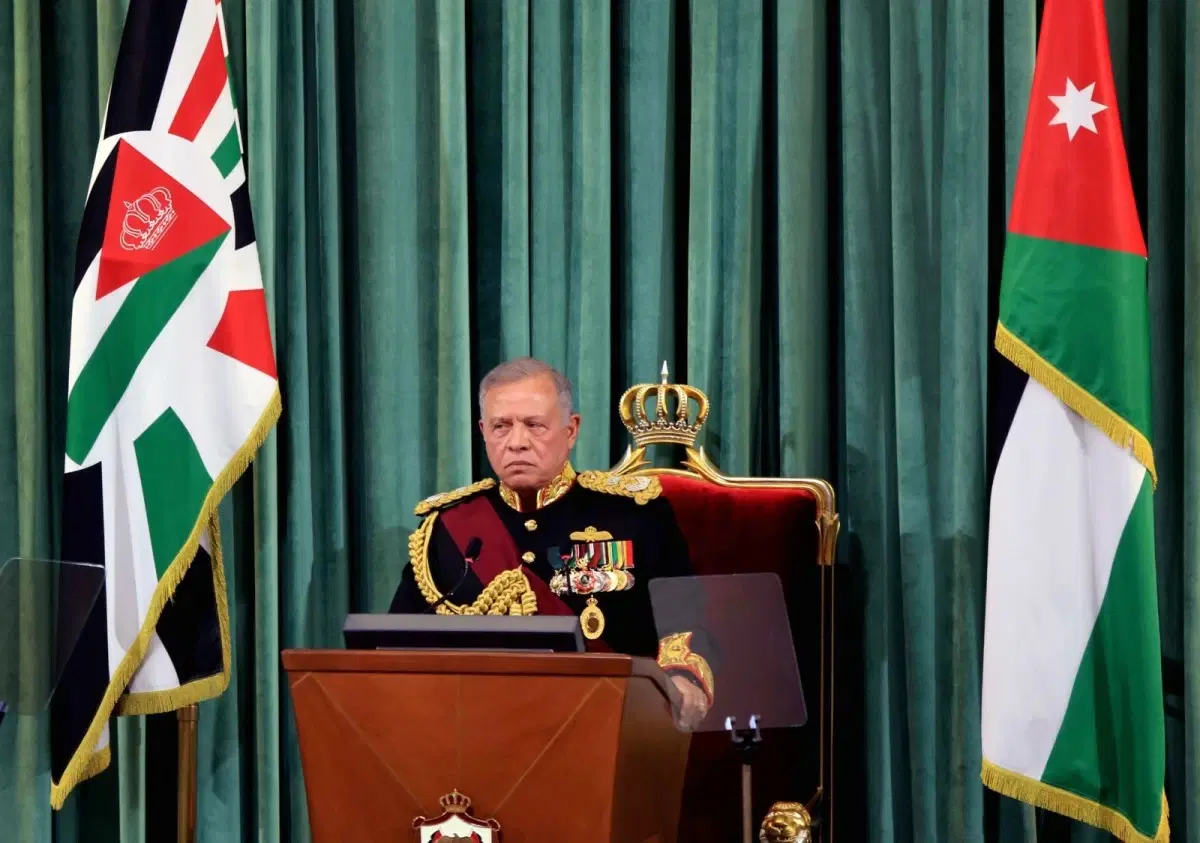
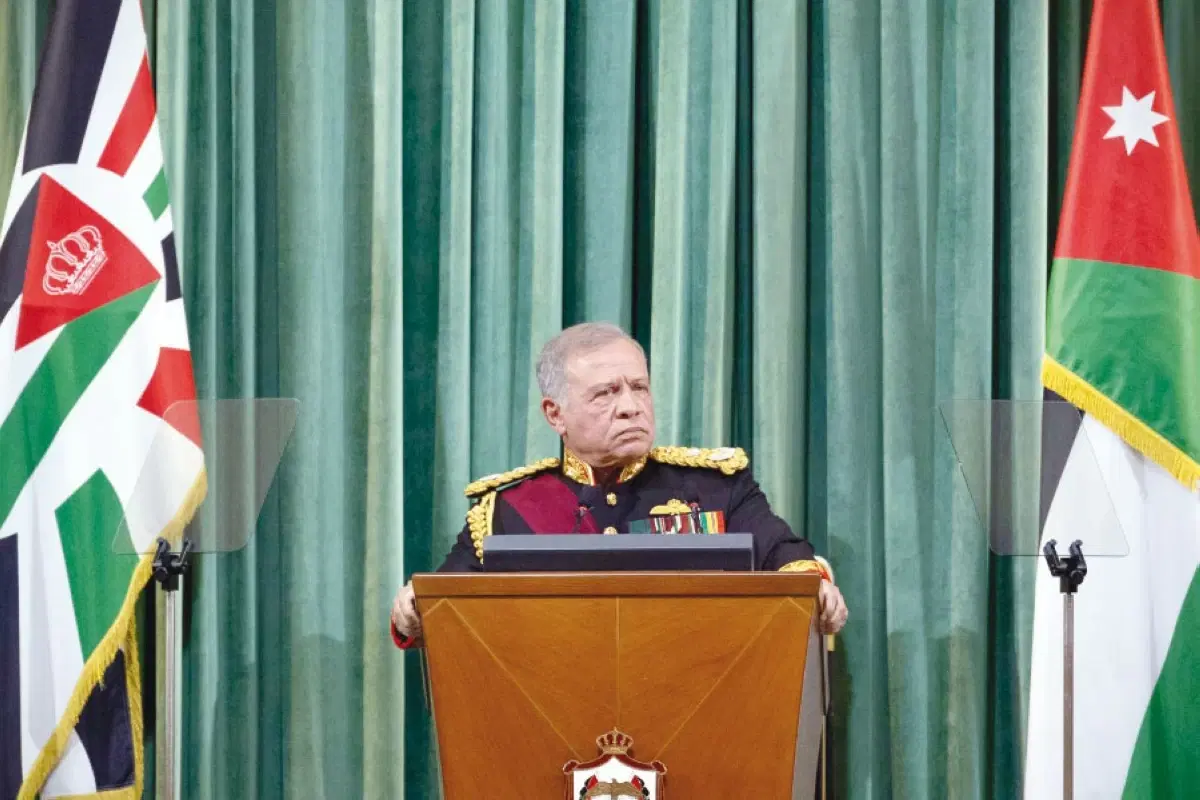
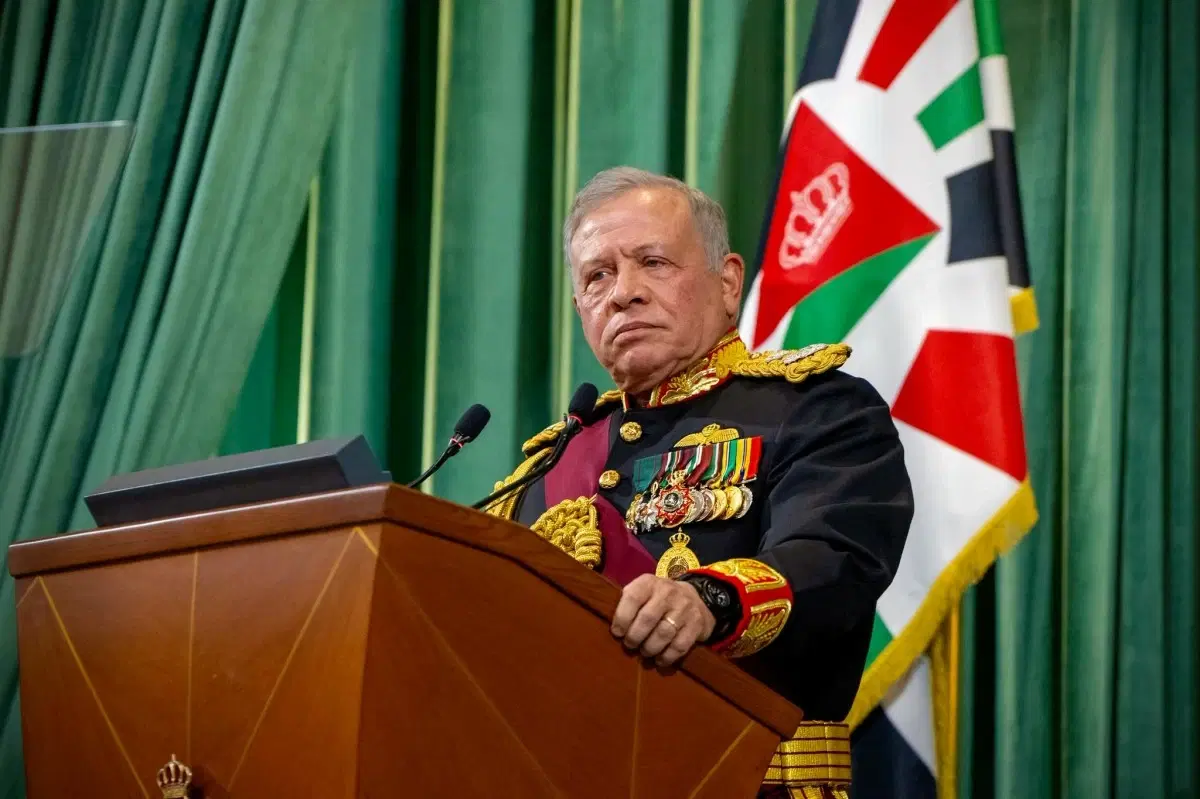
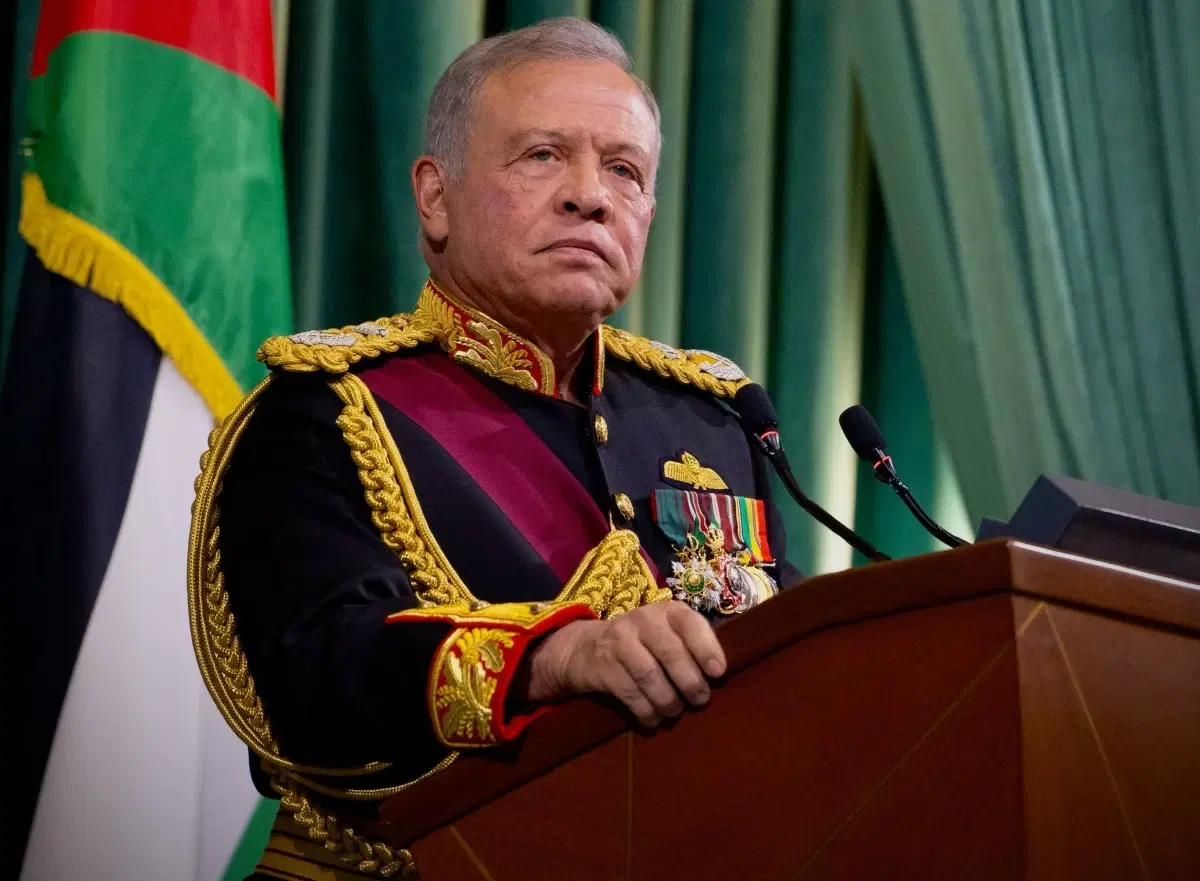
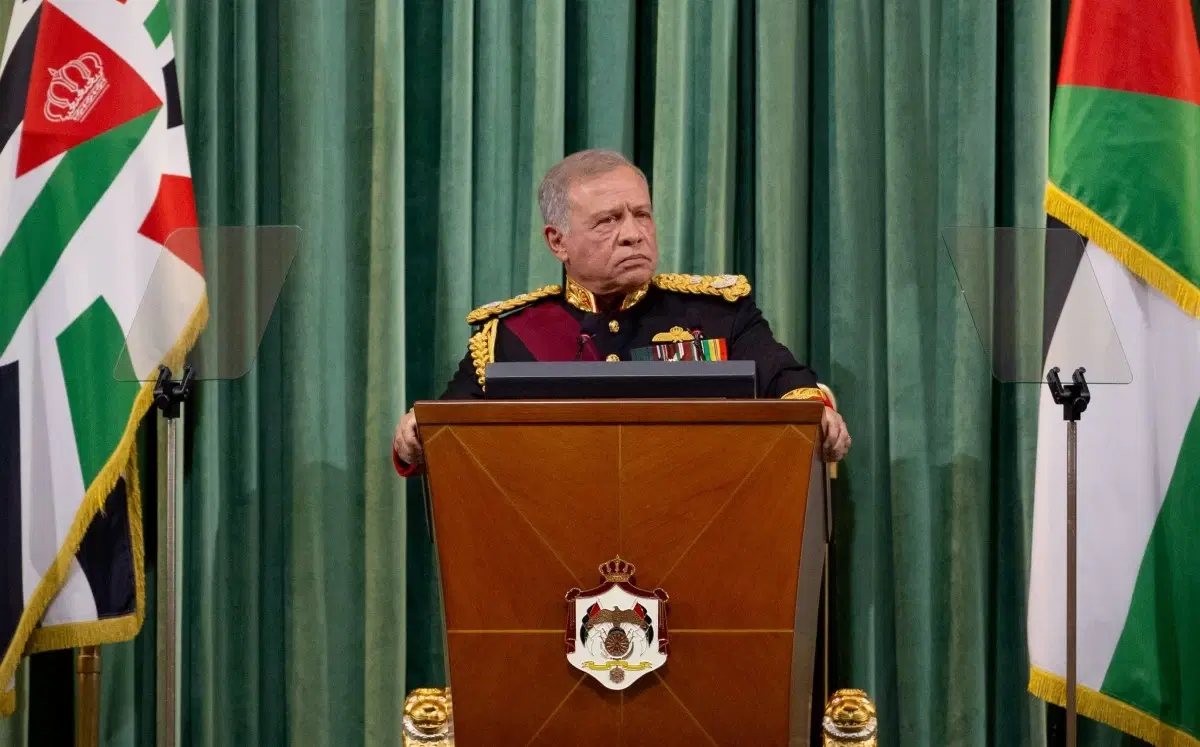
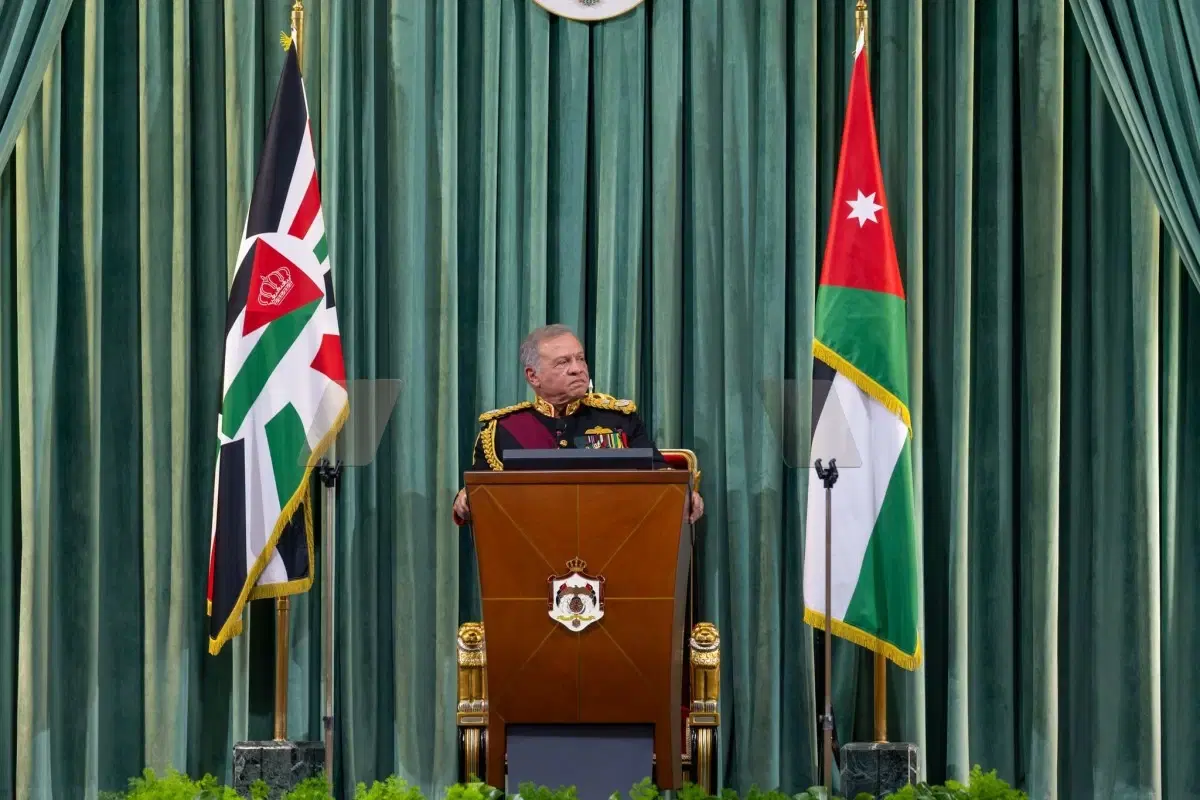
The administrative board of the National Charter Party in Irbid Governorate affirmed its pride in the contents of the Royal Address delivered by His Majesty King Abdullah II ibn Al-Hussein at the opening of the third ordinary session of the Twentieth Jordanian Parliament, noting that the speech conveyed clear national and political messages, reaffirming the Jordanian state's foundational principles, reinforcing the importance of internal unity, the rule of law, and advancing the reform and modernization process across all tracks.
The board pointed out that His Majesty’s assertion that “Jordan’s strength lies in its people; when hardships intensify, they grow more cohesive, insightful, and wise” reflects the essence of the relationship between the state and its society, confirming that Jordanians’ unity, awareness, and wisdom represent the fundamental pillar in confronting challenges and safeguarding the nation’s security and stability.
The board also affirmed its full support for the Hashemite leadership, expressed pride in the sacrifices of the Jordanian Armed Forces – the Arab Army – and security agencies, and appreciated their efforts in protecting the homeland and preserving its security and unity, stressing that the blood of the Karak martyrs will remain a solemn pledge in the hearts of Jordanians, and that confronting terrorism requires greater cohesion, awareness, and rallying around state institutions.
For his part, the head of the National Charter Party’s administrative board in Irbid, Wasfi Al-Shawaqfeh, affirmed that the Royal Address placed national responsibility before all state institutions and political forces, reiterating that serving citizens and safeguarding their interests must be the true benchmark of public performance.
Al-Shawaqfeh highlighted the importance of the King’s remarks regarding public service, particularly His Majesty’s statement that “there is no place among us for those who believe public office is an honor that exempts them from work or serving the people,” noting that this message confirms that public responsibility is a duty tied to serving citizens and advancing their interests, and that state dignity and the rule of law must take precedence over any other consideration.
He added that His Majesty’s assertion that “the law knows no name, no title, no influence” represents a fundamental principle in building an institutional state, and strengthens confidence in the fairness and equal application of the law for all without exception.
Al-Shawaqfeh stressed the importance of the role played by political parties and state institutions in translating the contents of the Royal Address into tangible practices and achievements, especially in economic, service, and developmental fields, ensuring that citizens’ needs and aspirations remain at the forefront of national priorities.
For his part, Nader Qadeesat, the youth affairs officer of the National Charter Party in Irbid Governorate, affirmed that the Royal Address delivered significant messages to Jordanian youth, particularly regarding participation in public affairs, enhancing citizens’ role in political life, and entrenching a culture of dialogue and responsible disagreement.
Qadeesat noted that His Majesty’s affirmation that “engaging in public affairs is your legitimate right, protected and safeguarded by the Constitution” is a clear message underscoring the importance of expanding political participation, not confining public work to traditional institutions and frameworks, but rather enhancing citizens’ presence—especially youth—in national debates and contributing to shaping public priorities.
He added that His Majesty’s statement that “your differences of opinion are a strength, as long as Jordan’s interest remains the goal” lays an important foundation for a more mature political life based on accepting diversity, respecting opposing views, and avoiding personalization and exclusion, making disagreement a means of enrichment and development rather than a gateway to division.
Qadeesat explained that the real challenge facing political parties today lies in transforming youth participation from mere attendance at programs and events into genuine involvement in decision-making and responsibility-bearing, affirming that youth are not merely target groups for empowerment programs, but partners in shaping the present and future, and that parties are obliged to open avenues for youth initiative, leadership, and contribution to national and political work.
The administrative board of the National Charter Party in Irbid concluded by affirming that the Royal Address represents a milestone for renewing national responsibility for all, and that the upcoming phase requires translating its contents into serious institutional action, strengthening trust between citizens and state institutions, and working in a unified team spirit toward a strong and cohesive Jordan, where the interests, dignity, and future of Jordanians lie at the heart of every decision.