The reality of the Strip is getting darker as the Israeli aggression continues
The Peace Council proposes halting military operations to start disarming Hamas
Follow Al Rai

The number of martyrs rises due to the collapse of a building housing displaced people
The reality of the Strip is getting darker as the Israeli aggression continues
The Peace Council proposes halting military operations to start disarming Hamas
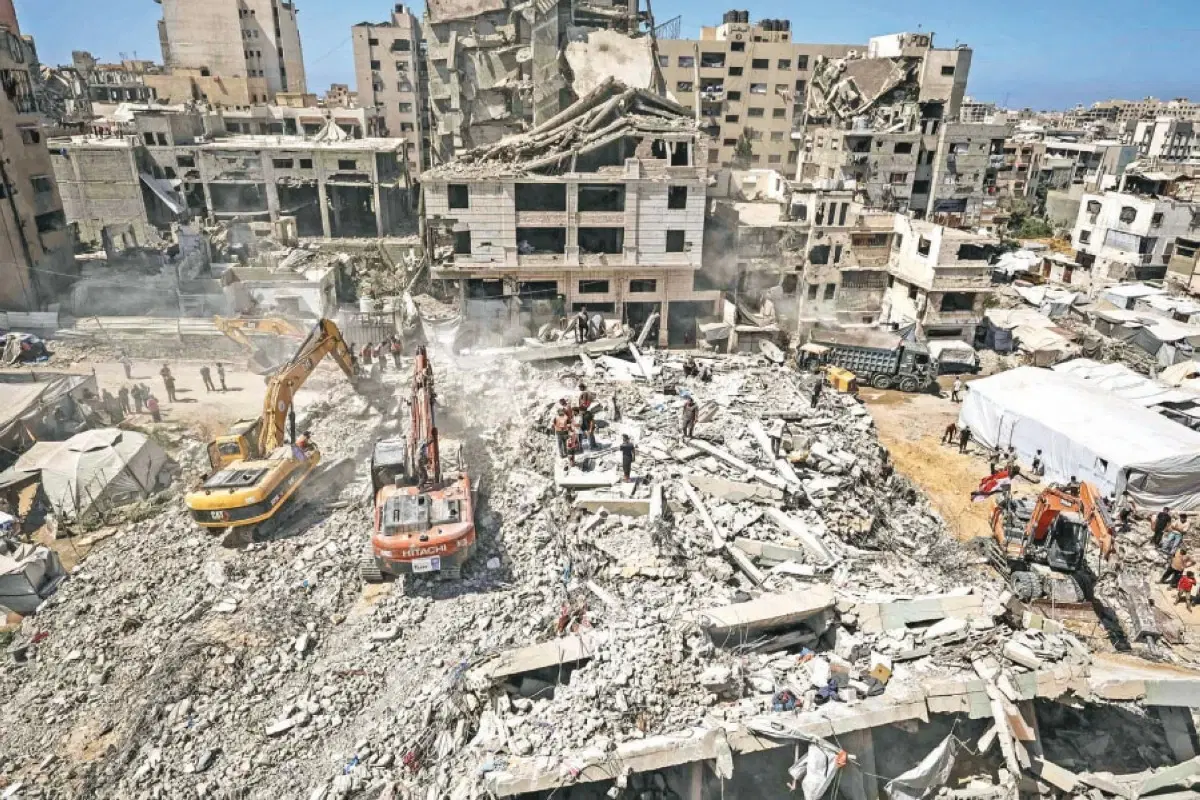
20 Palestinians were martyred, including 8 children and 6 women, and more than 25 others were injured, while about 100 people are still missing, following the collapse of a six-story residential building on Al-Sina'a Street in western Gaza City, on Wednesday, according to the Civil Defense in the Strip, while diplomatic efforts to stop the war continue, while the field reality is getting darker with the continuation of Israeli military operations and the worsening humanitarian crisis.
The collapse of the building comes as the United States is trying to push a 15-point peace plan through the so-called 'Peace Council', chaired by Nikolai Mladenov, which includes halting the war, opening crossings, allowing medical, food and water aid to enter, and creating conditions for the reconstruction of the Gaza Strip, up to disarming Hamas. However, the plan faces political and field obstacles, primarily the official Israeli rejection of arranging its steps, in conjunction with the continuation of military operations, including bombing, assassinations and the destruction of infrastructure.
According to mediators, Mladenov proposed a proposal that includes '14 days of calm', with the exception of operations that Israel says are targeting immediate threats, and that this period be used to start disarming Hamas 'voluntarily'. Mladenov said: 'If Hamas starts to dismantle itself at a rapid pace and provides all the coordinates of the tunnels, that would be excellent', adding: 'If Hamas does not disarm, the Israeli army will have international support to do so by force'.
This position raised reservations among Qatari, Egyptian and Turkish mediators, who believed that it does not provide clear guarantees regarding Israel's commitment to stop the fighting, open crossings, or allow medical, water and electricity aid to enter, or start reconstruction.
Mladenov, following his meeting with Israeli Prime Minister Benjamin Netanyahu, stressed that progress in implementing the plan will be based on 'performance', and that the implementation mechanism will adopt the approach of 'not trusting anything and checking everything'. In later statements, he explained that the goal of the plan is to 'ensure that the Gaza Strip no longer poses a threat to Israel's security'.
In contrast, Israeli positions, according to the article, do not include similar commitments regarding halting operations or addressing the consequences of targeting displaced people's tents and infrastructure, including roads, wells, hospitals, schools and shelters.
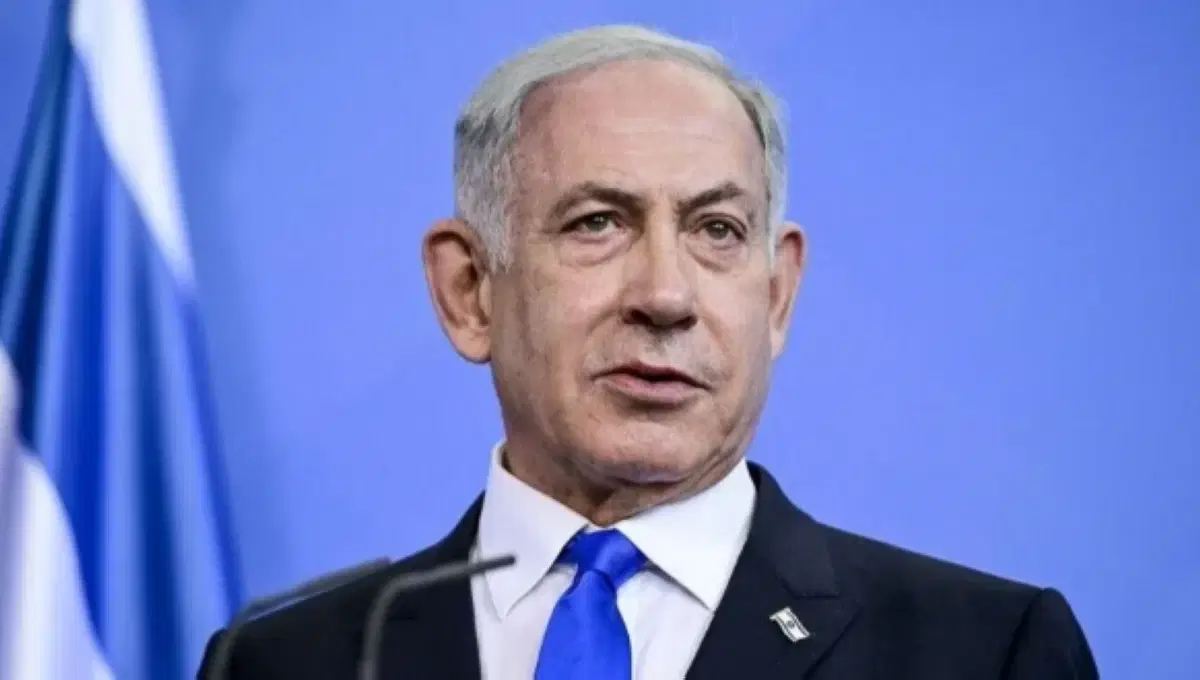
Netanyahu officially renewed his government's rejection of the 15-point document, saying during the weekly government session: 'I want to clarify here: Israel rejects the 15-point document', stressing that the Israeli army will not implement any withdrawal before Hamas disarms.
Netanyahu said: 'When I say that Hamas must disarm, I mean heavy weapons, lighter weapons, and all weapons... and we are talking about real disarmament, not imaginary'.
The main disagreement revolves around the chronological order of implementing the steps; the plan, according to the proposed text, provides for a simultaneous and coordinated Israeli withdrawal and phased disarmament process, while Israel insists that Hamas must be disarmed first, before any withdrawal or reciprocal steps.
Reflecting this political tug-of-war on the work of the 'Peace Council', the Israeli newspaper 'Haaretz' reported that Israeli officials, including members of the National Security Council, the Ministry of Defense and officers in the Southern Command, are openly refusing to cooperate with the Council.
The newspaper quoted a well-informed source as saying that officials 'are no longer trying to hide it', while the report linked this obstruction, according to its sources, to the upcoming Israeli elections scheduled for October 27, amid fears among Israeli officials that implementing the plan will make them appear to be making major concessions or 'selling Israel', according to the expression used in the report.
In light of this political tug-of-war, the humanitarian tragedy in the Gaza Strip continues, as the Ministry of the Interior in Gaza reported that the number of people inside the building targeted by Israeli bombing on Wednesday was estimated at about 100, while civil defense crews continued search and rescue operations for more than 15 consecutive hours, under extremely difficult conditions and a shortage of equipment and capabilities.
The Ministry warned that hundreds of damaged and dilapidated buildings and structures in the Strip are increasingly endangering the lives of residents, especially with the approach of winter, and said that the new tragedy 'rings the alarm bell again for the international community', warning that hundreds of buildings at risk of collapse may fall at any moment.
The Ministry pointed out that thousands of martyrs are still under the rubble of destroyed buildings, waiting to be retrieved, amid the limited capabilities of rescue teams.
Despite the ceasefire agreement in effect since October 11, 2025, Palestinian authorities say Israeli forces continue their military operations in the Strip.
On September 16, 2026 alone, one Palestinian was martyred and nine others were injured in shelling targeting a gathering of civilians near Salah al-Din Street in the Bureij camp in the central Strip.
May al-Sheikh, spokesperson for the UN Human Rights Office in Palestine, said that more than 880 Palestinians have been killed by Israeli forces and troops since the agreement came into effect, and that Israel has turned the truce into a 'cover for ongoing killings', noting that 180 civilians were killed in displacement centers and public streets.
For his part, UN Secretary-General Antonio Guterres said that Israel 'does not accept the implementation of the peace plan in its current form', pointing out that US efforts to push the implementation of 'Phases One and Two' of the plan have again been rejected by Israel.
Guterres stressed that 'there will be no peace in the Middle East without resolving the Palestinian-Israeli crisis', indicating that any lasting settlement is linked to ending the Palestinian-Israeli conflict.
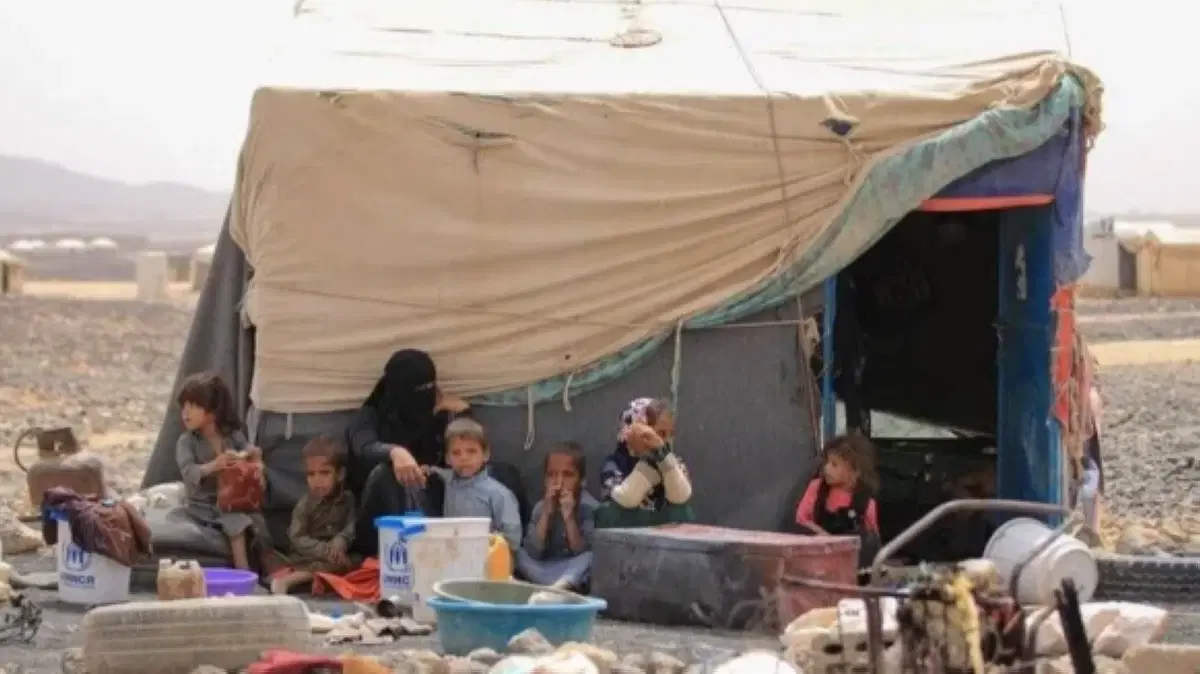
The Ministry of the Interior and National Security in Gaza issued an urgent appeal to international parties, mediators and guarantors of the ceasefire agreement, calling for the immediate introduction of temporary housing and the provision of safe shelter alternatives for hundreds of thousands of displaced people, as well as providing civil defense with the necessary equipment and capabilities to carry out rescue operations and retrieve victims from under the rubble.
The Ministry warned that the deterioration of tents and the prevention of the introduction of temporary housing, along with the approach of winter, increase the risk of more damaged buildings collapsing due to wind and rain, threatening the lives of thousands of displaced people living in harsh humanitarian conditions.
The Ministry held Israel responsible for what it described as a 'crime of genocide', accusing it of continuing to kill, assassinate, shoot and shell, as well as preventing the entry of aid, reconstruction materials and medical supplies.
The scene in Gaza reveals a growing gap between the diplomatic track and the field reality; while plans are being proposed to end the war, open crossings, rebuild and disarm, military operations continue and more victims fall, while damaged buildings collapse on the heads of the displaced.
With UN warnings and the continued loss of life, with the number of martyrs announced at 73,795 and thousands more still under the rubble, along with hundreds of buildings at risk of collapse, the translation of any political plan into field measures capable of stopping the humanitarian bleeding is contingent on overcoming the disagreement over the order of steps and ensuring that the parties commit to implementing them.
Know more about this story?Send us a tip
Ask about this report — answers stay grounded in its text.