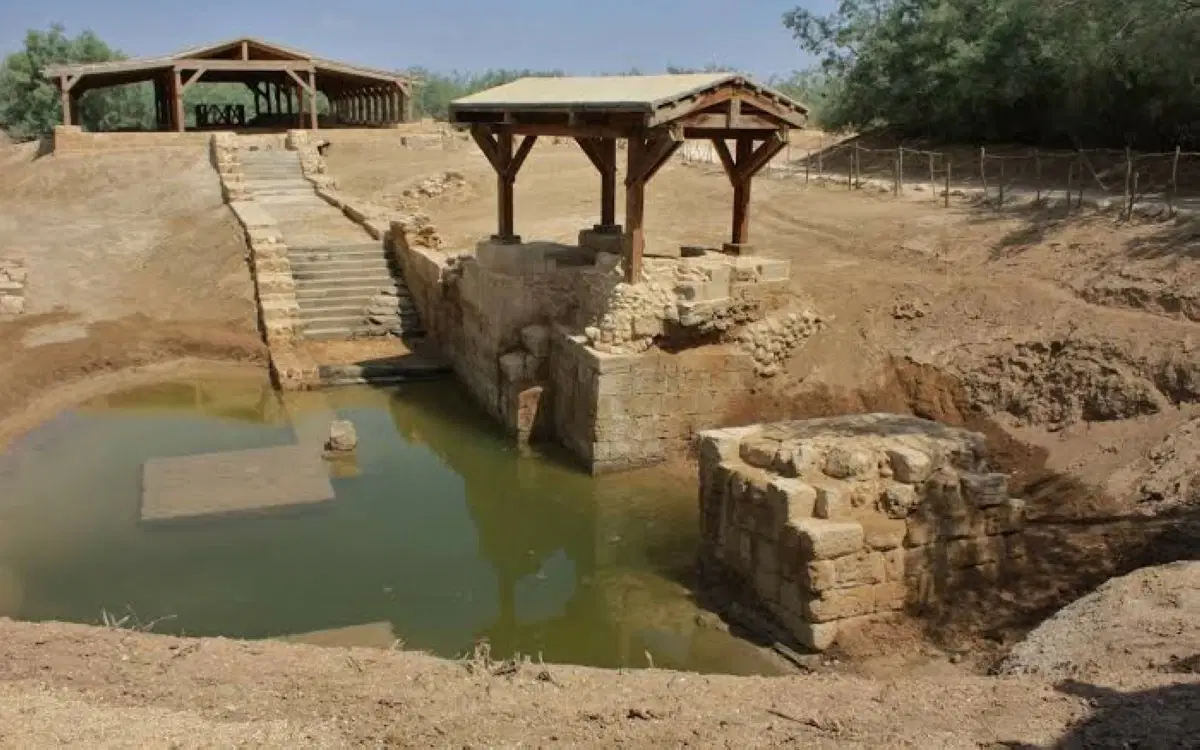
Al-Bawarid added that the importance of this step stems from the close interconnection between the natural environment of the Baptism Site and the spiritual and historical landscape associated with the baptism of Jesus Christ, pointing out that the site is one of the most prominent Christian pilgrimage sites in the world and combines religious and heritage value with environmental importance associated with the Jordan River, valleys, and surrounding vegetation cover.
He added that the Baptism Site Commission undertakes the protection of natural resources and biodiversity through the site management system and existing protection and monitoring procedures, emphasizing that the proposed nature reserve declaration will enhance these efforts and provide a more integrated institutional and legal framework to protect nature and heritage together, contributing to the preservation of this national heritage for future generations.
Al-Bawarid explained that the Commission will work on preparing a special management plan for the nature reserve that integrates with the World Heritage Site management plan, to ensure the safeguarding of the outstanding universal value of the Baptism Site and achieving a balance between protecting biodiversity and natural habitats while preserving the antiquities, cultural, and spiritual landscape of the site.
He pointed out that the proposed trends include monitoring plants, birds, and sensitive habitats, conducting research studies, restoring degraded vegetation cover, reducing violations and activities that may harm natural resources, alongside organizing visitor movement to ensure the protection of sensitive areas and maintaining the site's privacy and sanctity.
He pointed out the importance of enhancing partnership and coordination with the Ministry of Environment, the Jordan Valley Authority, security agencies, and relevant governmental and research institutions, each within its jurisdiction, to exchange information, intensify monitoring and risk response, and avoid overlapping roles to ensure an integrated and sustainable management of the Baptism Site. Al-Bawarid noted that declaring the Baptism Site a nature reserve comes in the context of preparing for the second millennium anniversary of the baptism of Jesus Christ in 2030, enhancing the site's readiness to receive pilgrims and visitors over the coming years and cementing its position as a major destination for religious tourism in Jordan. He emphasized that protecting the Jordan River, valleys, vegetation, and the natural landscape surrounding the site constitutes an essential part of safeguarding the spiritual and heritage experience of pilgrims and visitors, pointing out that preserving these elements allows for the development of programs for environmental awareness and sustainable religious and cultural tourism while adhering to controls that preserve the sanctity of the place and its outstanding universal value.
He added that this trend will support tourism services and economic activities associated with the visit, opening new horizons for local communities to benefit from the expected tourism movement over the coming years, emphasizing that achieving these benefits requires balancing economic development with environmental protection and safeguarding the religious and historical identity of the Baptism Site.
It is worth noting that the Cabinet decided to include the Baptism Site within the National Protected Areas Network and declare it a nature reserve with an area of 10 square kilometers, coinciding with the commencement of preparations to celebrate the second millennium of the baptism of Jesus Christ in 2030, and completing the necessary procedures in accordance with governing legislation.