Madi explained that the decision enhanced opportunities for integrating religious and environmental tourism, which contributed to attracting wider segments of visitors and providing them with an integrated tourism experience that combines performing religious rituals with exploring nature and biodiversity in the Jordan Valley region.
He added that the declaration contributed to enhancing the protection of the site and its environmental and water surroundings, preserving the plants, animals, and the unique ecosystem of the Jordan Valley, in addition to curbing encroachments and unregulated urban expansion, thereby preserving the privacy of the site inscribed on the UNESCO World Heritage List.
Madi pointed out that the decision provided new economic opportunities for local communities by encouraging small projects, traditional industries, environmental guidance, and tourism services, thus linking the protection of natural resources to achieving sustainable development.
He indicated that the importance of this step increased with the approach of 2030, which marks the two-thousandth anniversary of the baptism of Jesus Christ, as it strengthened Jordan's preparations to receive visitors and pilgrims, and supported the trends of developing the areas surrounding Al-Maghtas in a way that is consistent with the requirements of protecting the site and its historical and environmental authenticity.
Madi pointed out that the decision paved the way for developing integrated tourism paths that link Al-Maghtas to World Heritage sites, such as Petra, Wadi Rum, Umm ar-Rasas, and Salt, and to the Kingdom's nature reserves, which enhances Jordan's position as a destination that combines religious, cultural, and sustainable environmental tourism.
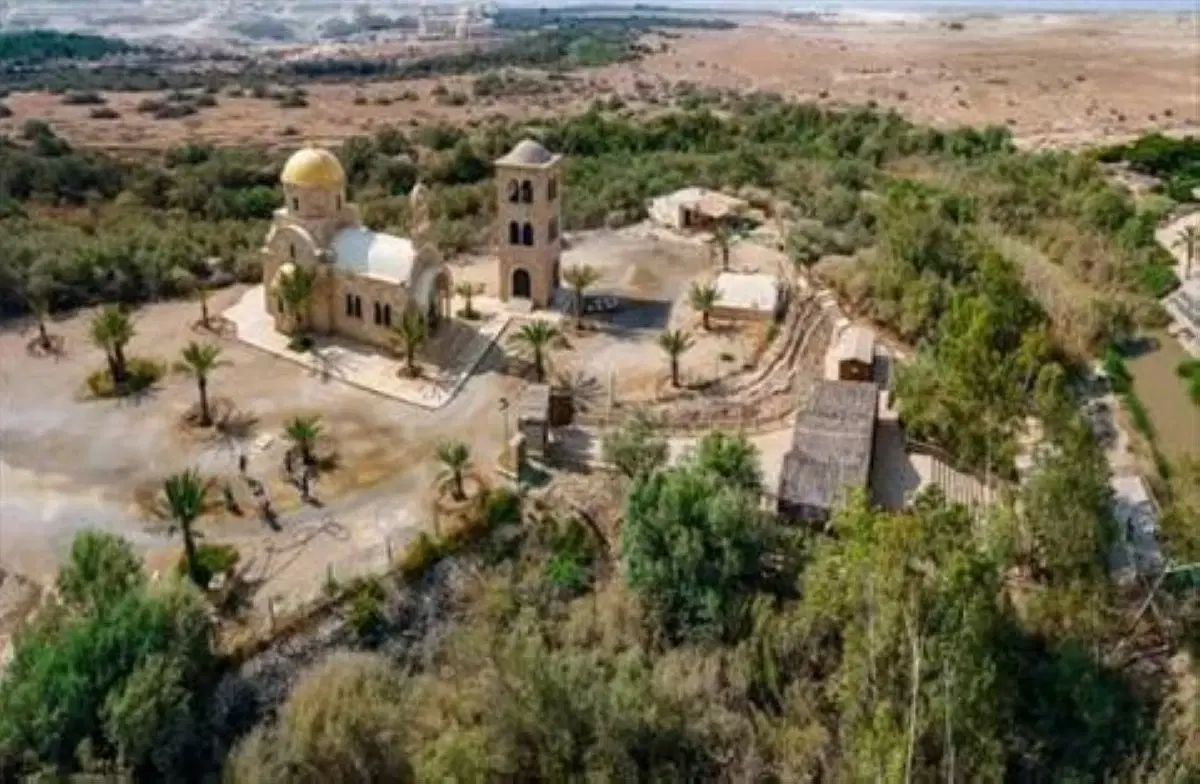
In the same context, the Director General of the Baptism Site Commission, Abdullah Al-Bawareed, said that the Cabinet's decision to include the site within the national network of protected areas and declare it a nature reserve covering 10 square kilometers enhances national efforts to preserve Jordan's natural and spiritual heritage, and provides an integrated framework for protecting the environment and heritage in one of the most prominent Christian pilgrimage sites in the world.
He added that the importance of Al-Maghtas is linked to its religious and historical status, in addition to its environmental value, which includes the Jordan River, valleys, vegetation, and surrounding natural habitats, which requires integrated management that balances nature protection with the preservation of antiquities and the cultural and spiritual landscape of the site.
Al-Bawareed explained that the Commission will prepare a management plan for the reserve that integrates with the World Heritage site management plan, and includes monitoring plants, birds, and sensitive habitats, conducting research studies, restoring degraded vegetation, and curbing encroachments and activities harmful to natural resources, in addition to organizing visitor movement and protecting sensitive areas.
He pointed to the importance of strengthening coordination with the Ministry of Environment, the Jordan Valley Authority, security agencies, and relevant government and research institutions to exchange information, intensify monitoring, and respond to risks, ensuring the integration of roles and achieving sustainable management of the site.
Al-Bawareed confirmed that declaring Al-Maghtas a nature reserve comes in the context of preparing to celebrate the second millennium of the baptism of Jesus Christ in 2030, which enhances the site's readiness to receive pilgrims and visitors and consolidates its position as a major destination for religious tourism in Jordan.
He pointed out that protecting the Jordan River, the valleys, and the vegetation surrounding the site constitutes an essential part of preserving the spiritual and heritage experience for visitors, and allows for the development of programs for environmental awareness and sustainable religious and cultural tourism.
He added that this step would support tourism services and economic activities associated with the visit, and open horizons for local communities to benefit from the expected tourism movement.
A member of the Board of Trustees of the former Baptism Site Commission, Father Nabil Haddad, confirmed that the decision to declare the Al-Maghtas site a nature reserve confirms the exceptional status of this holy site in the Jordanian and global Christian conscience, as it is a witness to the religious and spiritual history of the Kingdom and an authentic part of its civilizational and human identity.
Haddad said that the decision reflects the Jordanian state's keenness to protect its religious and human heritage and preserve the environmental diversity surrounding the site, ensuring its sustainability and the preservation of its historical and spiritual value for future generations.
He added that the declaration carries a Jordanian message to the world, confirming the Kingdom's role in consolidating the values of respect and harmony between religions and peoples, and promoting dialogue and human coexistence, based on its religious and civilizational heritage and its positions supporting rapprochement between cultures.
He pointed to the importance of this step in conjunction with the preparations to celebrate in 2030 the two-thousandth anniversary of the baptism of Jesus Christ, confirming that it opens horizons for enhancing the presence of Al-Maghtas on the global Christian pilgrimage map and diversifying the Jordanian tourism product.
Haddad confirmed that declaring Al-Maghtas a nature reserve goes beyond protecting a historical and environmental site, to embody a Jordanian vision that combines preserving holy sites and protecting the common human heritage, and consolidates the Kingdom's message in spreading love, peace, and coexistence among peoples.