Dehydration.. How does it threaten the body's organs?
Amman7 min read
Share
A lack of water in the body affects vital functions, including the work of the brain, heart, and kidneys, as the continued loss of fluids without replacement may lead to headaches, poor concentration, circulatory disturbances, and electrolyte imbalances. The risks of dehydration increase with high temperatures, excessive sweating, and vomiting or diarrhea, making maintaining hydration essential to ensure the body's organs function efficiently.
Water.. An essential element for the continuity of body functions
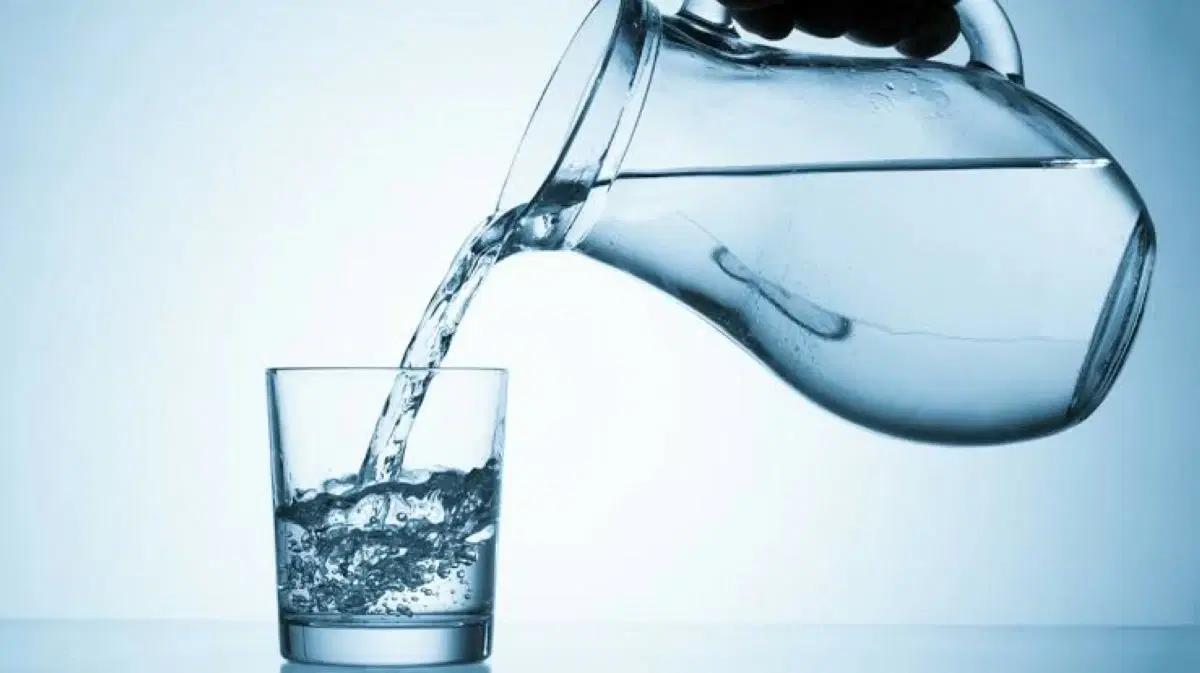
Water plays a pivotal role in vital processes, as it contributes to transporting oxygen and nutrients through the blood, eliminating waste, regulating body temperature, and maintaining chemical balance inside and outside cells.
The brain needs water to support its vital processes, while the heart relies on an appropriate blood volume to ensure the continued pumping of blood to the organs. As for the kidneys, they use water to regulate fluid and electrolyte balance and eliminate waste through urine.
Muscles and nerves also rely on the delicate balance between water and electrolytes, such as sodium and potassium, to ensure the transmission of electrical signals and the occurrence of muscle contractions normally.
How does the body respond to a lack of water?
The body's response begins when specialized receptors detect an increase in the concentration of dissolved substances in the blood or a decrease in blood volume and pressure. These signals are transmitted to areas in the brain, including the hypothalamus, which plays a key role in regulating water balance and stimulating the feeling of thirst.
At the same time, the secretion of the antidiuretic hormone, known as "vasopressin," increases, prompting the kidneys to retain a larger amount of water and reduce its loss through urine.
These mechanisms help limit the effects of fluid deficiency, but they do not replace the need to replenish lost water. Also, the feeling of thirst does not always represent an early and reliable indicator of dehydration, especially in the elderly.
From headaches to fainting.. Signs of dehydration
Symptoms of dehydration vary depending on the amount of fluid lost, the speed of loss, and the person's health status. They may start with simple symptoms, but they can develop into serious complications if fluid deficiency continues without replacement.
Among the most prominent early signs are thirst, dry mouth, headache, fatigue, poor concentration, and infrequent urination or urine turning a darker color than usual.
As the condition worsens, dizziness, weakness, rapid heartbeat, and decreased urine output may appear, as a result of the body's attempt to maintain blood volume and provide the necessary perfusion to vital organs.
As for severe dehydration, it may cause confusion, fainting, and a sharp drop in blood pressure, along with significantly reduced urination, cold extremities, and rapid pulse and breathing. These signs require urgent medical evaluation.
How does fluid deficiency affect organs?
Brain: Fluid deficiency may lead to headaches, fatigue, poor attention, and mental performance, and severe cases accompanied by electrolyte disturbance may develop into confusion or seizures.
Heart and circulatory system: The loss of large amounts of water leads to a decrease in blood volume, which may reduce its ability to reach organs efficiently. This may be accompanied by a rapid heartbeat and low blood pressure, and in severe cases, hypovolemic shock may occur.
Kidneys and urinary system: Urine becomes more concentrated when there is less water available to the body, and the risk of developing certain types of kidney stones may increase. Severe dehydration can also lead to a decline in kidney function as a result of reduced blood flow to them.
Digestive system: Fluid deficiency may contribute to constipation in some people, as the digestive system needs water to help maintain stool consistency and facilitate its passage.
Muscles and nerves: Dehydration accompanied by electrolyte loss may lead to weakness and muscle cramps, and nerve and muscle functions may be more affected when electrolyte disturbances become severe.
As for the skin, it may show signs of dryness when fluids are lost, but drinking extra amounts of water alone does not guarantee improved skin hydration for people who are already meeting their daily needs.
Heat, illness, and exertion increase the risk of dehydration
The chances of dehydration increase during heatwaves, as the body loses water and electrolytes through sweating to help regulate its temperature. The loss increases with prolonged physical activity or working in open areas.
Vomiting, diarrhea, and fever are also common causes of fluid loss, and some medications, such as diuretics, may contribute to increasing this loss.
Infants and children face a greater risk when suffering from vomiting or diarrhea due to the rapid loss of water and electrolytes, while the elderly may be more susceptible to dehydration as a result of a decline in the sensation of thirst, difficulty moving, or the influence of chronic diseases and medications.
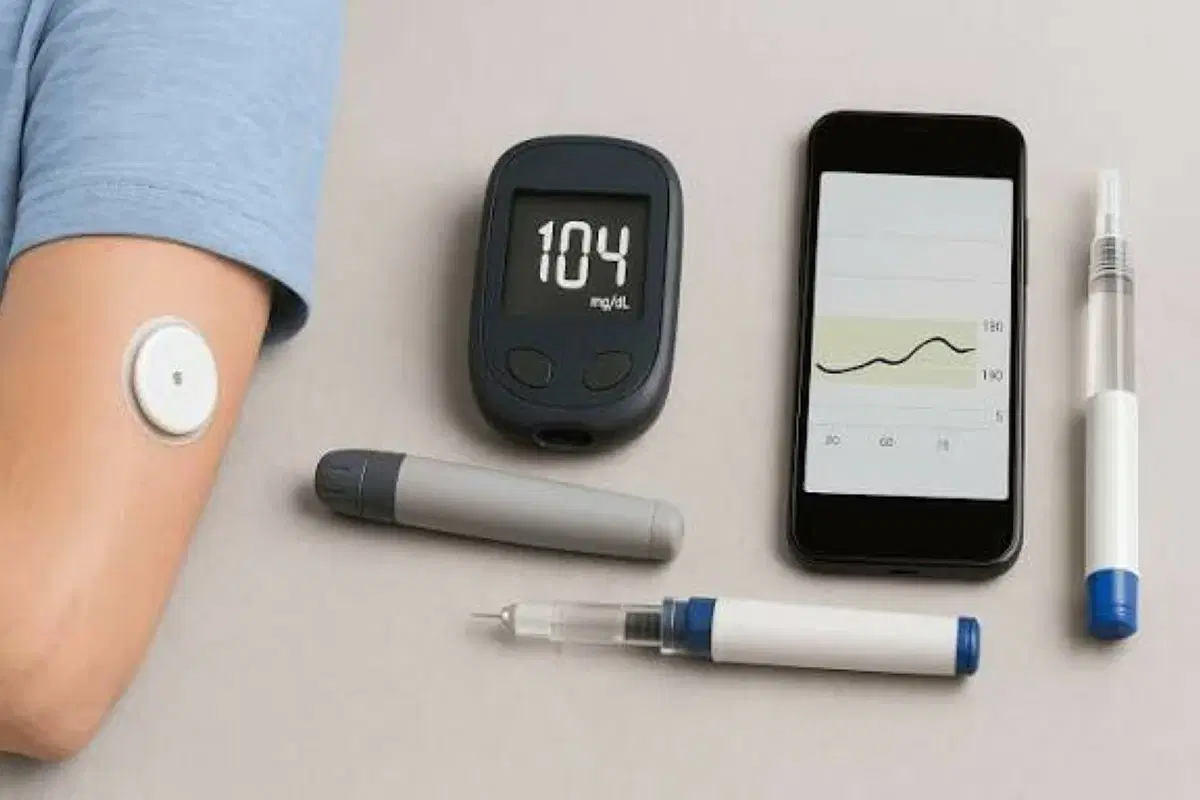
Diabetic patients also need to pay attention to blood sugar levels, as high levels may lead to increased water loss through urine. Conversely, some people with heart or kidney disease may need to regulate the amount of fluids they consume according to a doctor's instructions.
How much water does the body need daily?
There is no single amount that suits all people, and the rule of drinking 8 glasses a day is not a mandatory medical rule for everyone. The need for fluids is influenced by age, body weight, physical activity, temperature, food quality, and health status.
The body obtains part of its water needs through drinks and foods rich in fluids, such as cucumbers, watermelon, cantaloupe, citrus fruits, and other fruits and vegetables.
For most healthy people, drinking water regularly, responding to thirst, and monitoring urine color can help maintain hydration, with increased attention during hot weather and exercise.
Coffee, tea, and other drinks also contribute to total daily fluids when consumed in moderation and do not usually cause dehydration in people accustomed to caffeine. However, it is not recommended to rely on highly sugary drinks as a primary means of hydration.
When is drinking water alone not enough?
In cases of vomiting and diarrhea, the body may lose water and electrolytes together, so water alone may not be enough to compensate for the losses, especially when they are continuous or severe.
Standardized oral rehydration solutions are a suitable option to replace water and electrolytes when needed. They should be prepared according to the instructions precisely, because changing the proportions of water, salt, and sugar may make the solution unsafe, especially for children.
The appearance of confusion, fainting, severe weakness, or a significant decrease in urine output requires urgent medical care rather than relying solely on home hydration attempts.
Hydration is a necessity with rising temperatures
With increasing exposure to heatwaves, the importance of preventing dehydration becomes prominent, especially among children, the elderly, outdoor workers, and people who engage in strenuous physical activities.
The importance of water is not limited to an individual's daily needs, but is also linked to providing safe and clean drinking water, as a basis for public health, hygiene, and disease prevention.
While dehydration sometimes begins with a simple feeling of thirst, the continued loss of fluids without replacement may threaten vital organ functions. Therefore, paying attention to the body's water needs and dealing early with signs of dehydration remains one of the most important steps to maintaining health.