However, water does not burn fat directly, and drinking it alone is not enough to achieve significant weight loss, according to "Health" magazine.
1. Supporting metabolism
Follow Al Rai

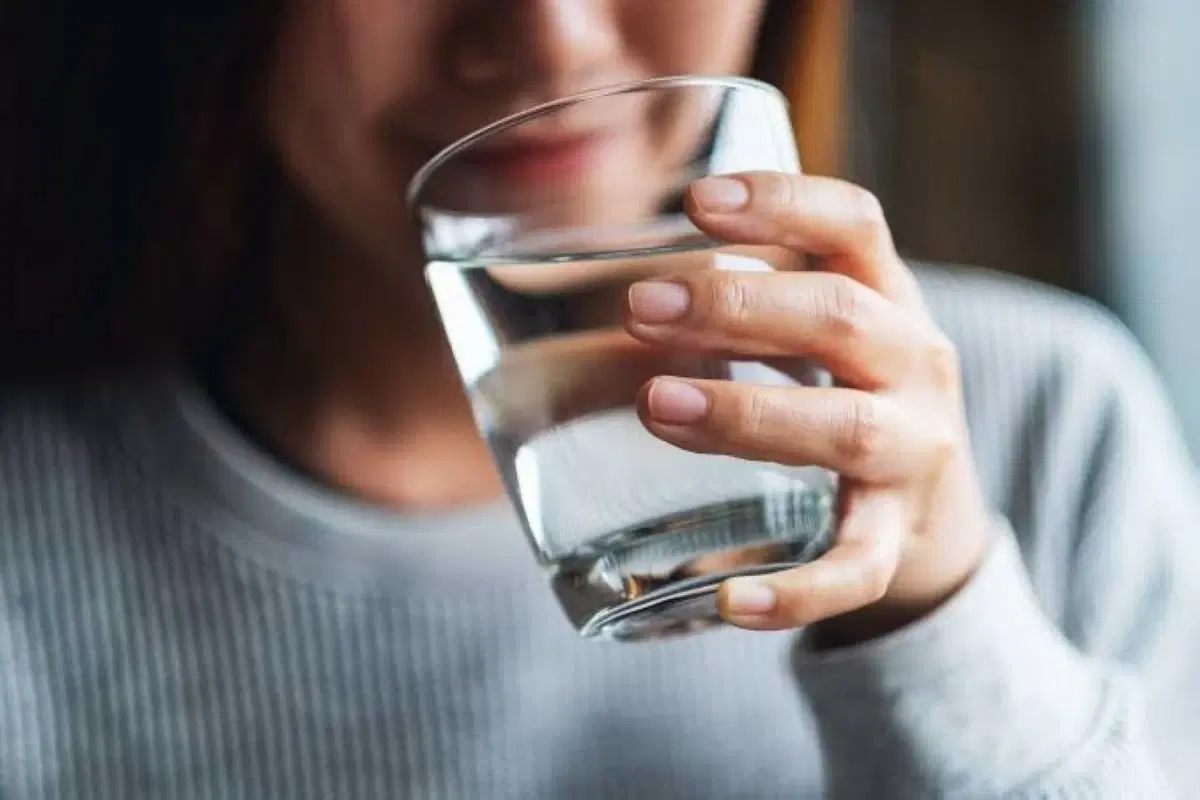
However, water does not burn fat directly, and drinking it alone is not enough to achieve significant weight loss, according to "Health" magazine.
1. Supporting metabolism
Water plays a vital role in many biological functions, and drinking it may lead to a temporary increase in the body's energy expenditure rate. However, the significance of this effect in achieving tangible weight loss remains limited, and it should not be relied upon alone.
2. Reducing daily calorie intake
Replacing soft drinks and sweetened juices with water is a simple way to reduce daily calorie intake, especially for people who consume these drinks regularly.
Plain water contains no calories, making it a suitable choice for reducing calories without sacrificing hydration.
3. Enhancing the feeling of fullness
Drinking a glass of water before meals may help some people feel full, which may contribute to reducing the amount of food consumed.
However, this effect varies from person to person and does not mean that drinking water before every meal will necessarily lead to eating less or losing weight.
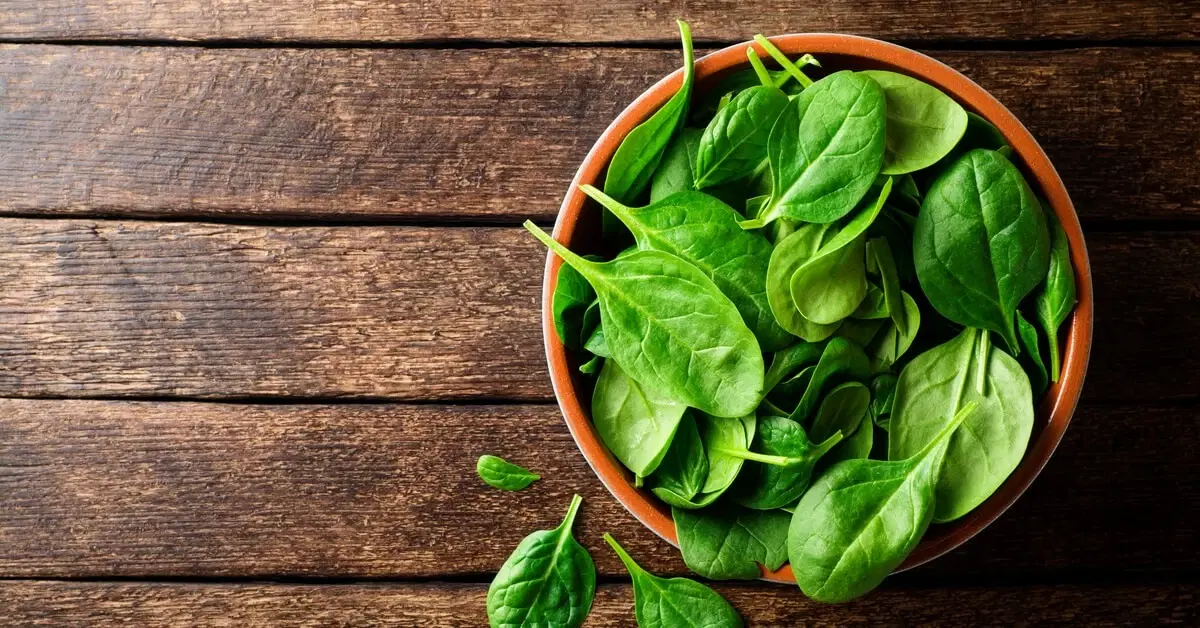
4. Increasing the intake of water-rich foods
Fruits and vegetables, such as watermelon, cucumber, and oranges, contribute to meeting part of the body's daily fluid needs, in addition to containing fiber, vitamins, and minerals.
Foods rich in water and fiber may help promote satiety within a balanced diet.
Despite the importance of water for health, drinking it alone does not guarantee weight loss. Weight loss primarily depends on consuming fewer calories than the body needs, while taking into account the individual's nutritional and health requirements.
To achieve sustainable results, it is recommended to combine a balanced diet, regular physical activity, adequate sleep, and stress management.
Furthermore, drinking more water than the body needs does not necessarily lead to additional weight loss, and excessive consumption over a short period can be harmful.
Some simple habits can help you stay consistent with drinking water throughout the day:
The body's water needs vary depending on age, physical activity level, weather, and health status. The body also obtains part of its fluids from food and other beverages.
Therefore, it is better to distribute water intake throughout the day and adjust the amount according to individual needs, rather than sticking to a one-size-fits-all amount.
Conclusion: Water may help with weight loss indirectly, especially when replacing sweetened beverages with it, and perhaps by enhancing the feeling of fullness in some people. However, achieving sustainable results requires a balanced lifestyle, not just increasing the amount of water consumed daily.
Know more about this story?Send us a tip
Ask about this report — answers stay grounded in its text.