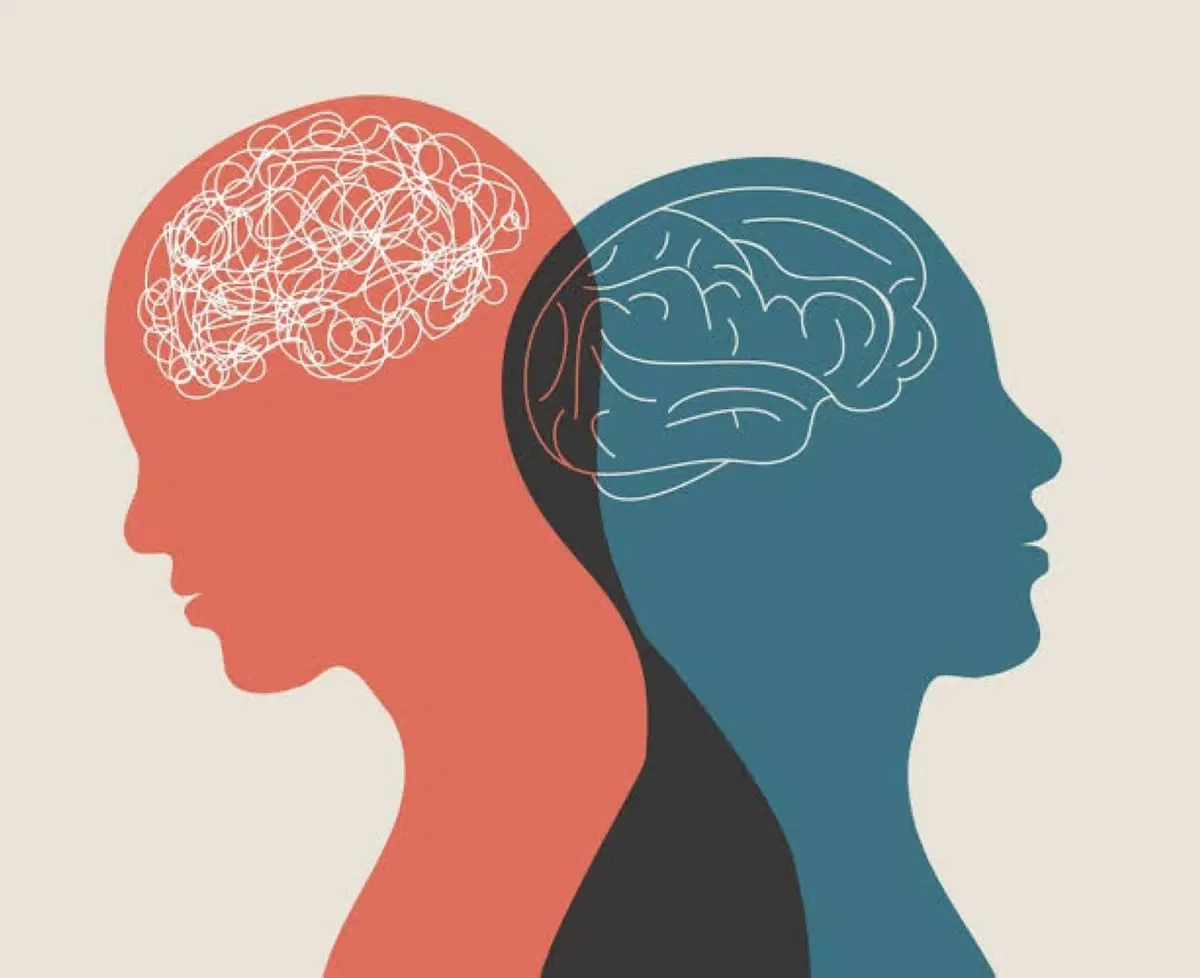
From Narcissism to Trauma.. Have We Misunderstood Psychology?
Amman5 min read
Share
Terms like "narcissism," "toxic relationships," and "psychological trauma" have become part of daily conversations, especially on social media platforms, where many resort to using them to explain their feelings and understand the behavior of others, particularly in romantic and familial relationships.
Although the spread of mental health-related content has contributed to increased awareness of psychological disorders and encouraged the expression of feelings and the identification of harmful behaviors, the excessive use of these terms outside their scientific context may turn them into ready-made judgments and lead to the simplification of complex human experiences.
The Language of Psychotherapy.. Between Awareness and Exaggeration
The term "Therapy Speak" refers to the use of concepts and terminology related to mental health in daily life, a trend reinforced by social media platforms, which have allowed these terms to spread widely, sometimes with meanings that differ from their original scientific definitions.
This spread has helped many people understand their experiences and express feelings they were previously unable to describe, and it has also encouraged them to set healthy boundaries in their relationships and seek help when needed.
Conversely, the excessive use of psychological terms can lead to self-diagnosis or diagnosing others without scientific basis, in addition to diminishing the seriousness of real psychological disorders when their names are used to describe fleeting daily situations.
In an interview with Al Jazeera Net, Dr. Rania El-Shal, a consultant in neurology and psychiatry and former head of the Neurology Department at Mansoura Specialized Hospital, explained that growing psychological awareness is a positive step that helps individuals understand their rights and duties, identify harmful behaviors, and deal with them more consciously.
She also pointed out the importance of reliable psychological content based on scientific foundations in spreading psychological literacy and reducing the stigma associated with mental illness, noting that information available through digital platforms has prompted some people to seek specialized help and helped others review their relationships and search for solutions to the problems they face.
Self-Diagnosis.. When Videos Become a Substitute for the Specialist
A short video titled "Five Signs You Are in a Relationship with a Narcissist" might prompt a viewer to interpret the actions of their partner or a family member based on a list of signs, without verifying how applicable they are or understanding the context in which they appear.
A study published in 2025 reveals a facet of this phenomenon, as it examined the experiences of more than 50 people who were in the process of receiving specialized mental health services and had previously viewed psychological content online. The researchers found that most participants believed they suffered from a disorder that had not been diagnosed by a specialist before, and that social media contributed to forming these beliefs in most of them.
In this context, El-Shal explained that she has encountered cases influenced by psychological information circulating online, emphasizing the necessity of consulting specialists to obtain an accurate diagnosis.
She added that psychological diagnosis does not rely on a video clip or a set of general signs, but rather requires listening to symptoms, reviewing medical and family history, and evaluating the condition to determine the appropriate treatment plan.
"Narcissism" and "Trauma".. Terms Losing Their Precision
Describing a person as "narcissistic" is one of the most common expressions in relationship-related discussions. However, the presence of some narcissistic traits does not necessarily mean having Narcissistic Personality Disorder, which is associated with a persistent pattern of grandiosity, an excessive need for admiration, and a lack of empathy for others.
According to the American Psychological Association, the appearance of some of these traits is not enough to judge the existence of a disorder; it requires looking at their persistence, their rigidity, their impact on the person's ability to adapt and function, and the suffering or significant impairment they cause.
The same applies to the term "trauma," which is used to refer to psychological shock resulting from a painful experience that may trigger fear, helplessness, or confusion, and leaves long-term effects on an individual's behavior or outlook on life.
However, the term is sometimes used to describe varying daily experiences, ranging from embarrassing situations and emotional disagreements to highly traumatic events, which may blur the lines between painful experiences and psychological effects that require specialized evaluation.
This does not mean diminishing people's feelings or denying their suffering, but rather the necessity of distinguishing between describing a painful experience and using a clinical term that has specific connotations.
How Do We Use Psychological Terms Consciously?
Responsible engagement with psychological content requires verifying its sources and distinguishing between information provided by specialists and what is circulated by content creators without scientific evidence.
It is also advised to reduce following accounts that interpret daily disagreements as definitive indicators of psychological disorders, to pay attention to the language used when describing oneself or others, and to avoid turning diagnostic terms into labels or final judgments.
It is also important to support people facing psychological problems and guide them to appropriate sources of support instead of settling for providing non-specialized diagnoses.
El-Shal emphasizes that the beginning is by not believing everything that is published, verifying information before adopting it, and resorting to a specialized psychiatrist when suspecting the presence of symptoms that require evaluation, whether for the person themselves or one of their loved ones.
In the end, psychological awareness can help us understand ourselves and others, and recognize the difference between normal disagreements and harmful behaviors. However, this awareness loses its value when scientific terms turn into quick judgments, or when every disagreement becomes a disorder, and every painful experience becomes a psychological trauma in the clinical sense.