Pickle juice.. potential benefit and risks that should not be ignored
Amman2 min read
Share
Pickle juice carries potential health benefits, most notably helping to shorten the duration of some muscle cramps, but its effect remains limited by available evidence, while its high sodium content may pose a risk to some people.
A scientific trial showed that the duration of muscle cramps reached about 85 seconds after consuming pickle juice, compared to 134 seconds when consuming water, a difference of nearly 49 seconds. However, researchers have not proven that drinking it prevents exercise-related cramps or improves body hydration better than water.
Researchers suggest that its potential effect may be linked to a neural response that begins in the mouth and throat, rather than the rapid replenishment of fluids and salts.
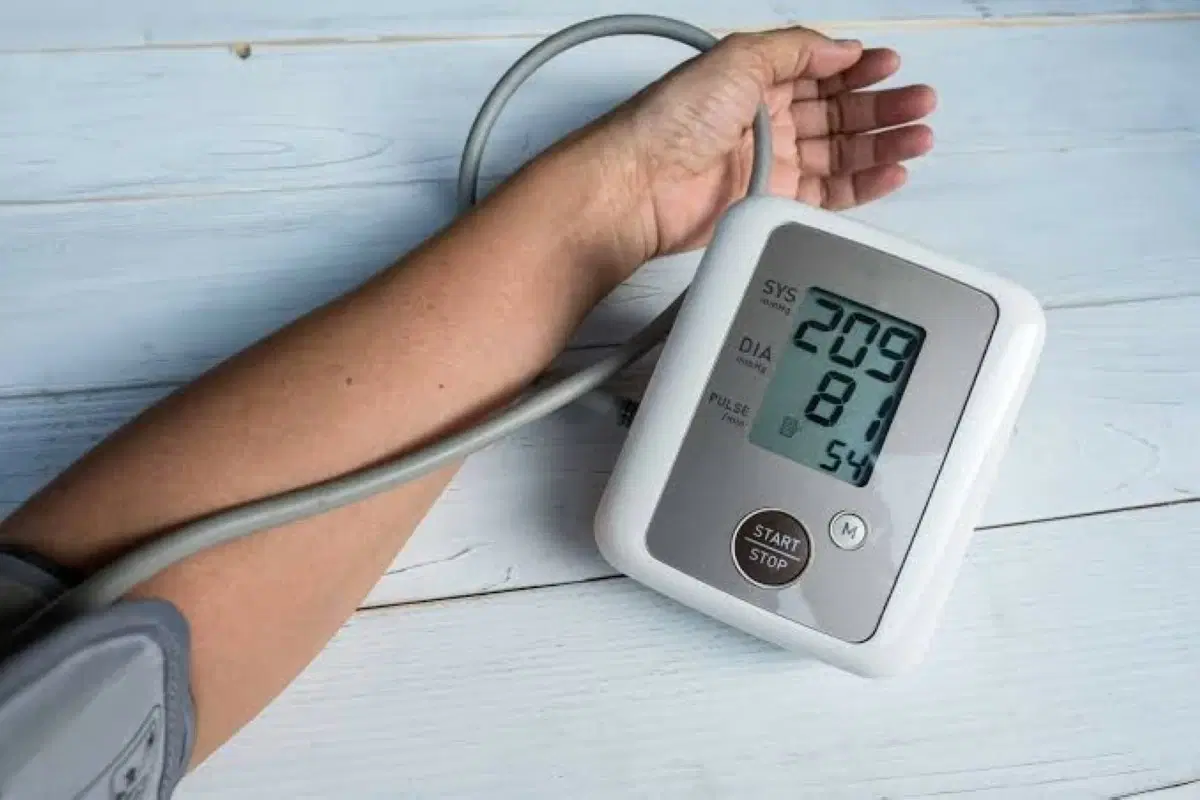
On the other hand, the amount of sodium in pickle juice varies depending on the product and its preparation method, which requires attention to the nutritional label, especially for those with high blood pressure or kidney and heart diseases.
Also, pickle juice is not necessarily a source of beneficial bacteria; the presence of live microorganisms depends on the pickling and fermentation method, and it is not enough on its own to prove benefits for gut health.
Conclusion: Pickle juice may help in specific cases of muscle cramps, but the evidence does not justify considering it a treatment or a necessary daily drink, nor a substitute for water or appropriate hydration methods.