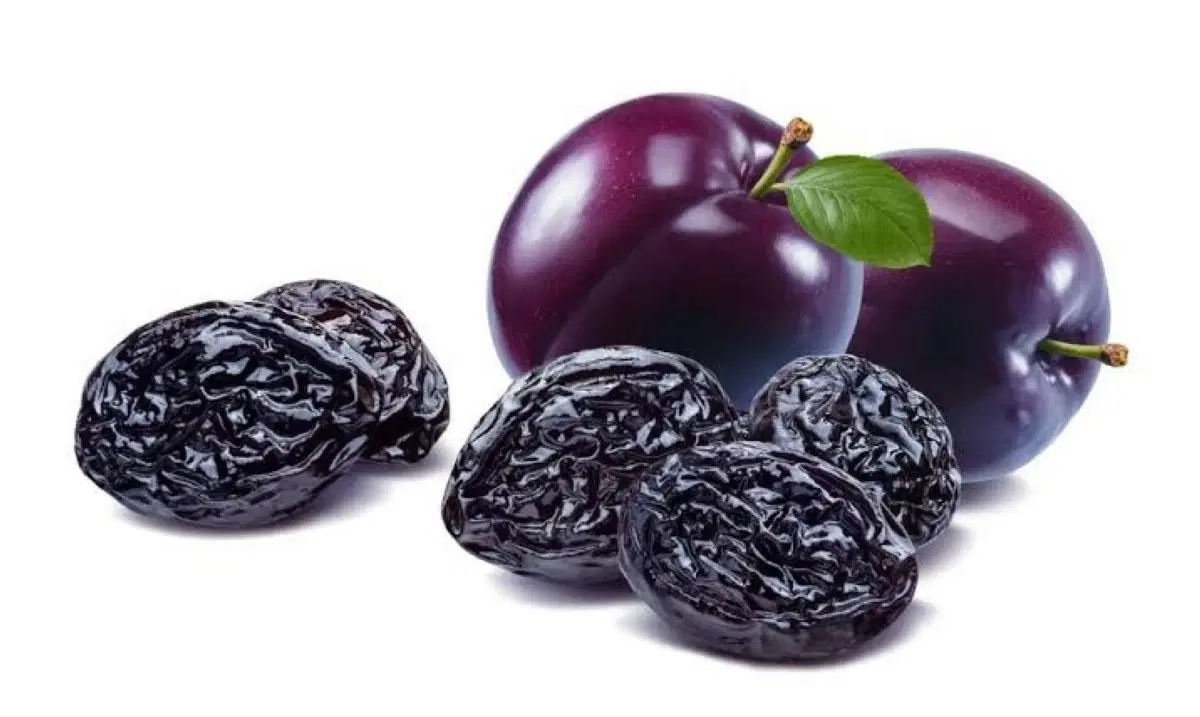
A study conducted by Chinese scientists has shown that the extract of the Japanese plum fruit, known as "ume," possesses antibacterial properties against Helicobacter pylori, which can cause serious stomach health problems, including inflammation and ulcers, and is linked to an increased risk of stomach cancer in some cases.
The researchers studied extracts from 17 types of edible plants and fruits, aiming to identify natural compounds that could inhibit the growth of this bacterium and limit its harmful effects. The results showed that the Japanese plum extract was the most effective among the types tested.
Experiments demonstrated that the extract contributed to inhibiting bacterial growth, including some strains resistant to several types of antibiotics, in addition to its ability to reduce the activity of genes that enable the bacteria to damage stomach cells.
The results were not limited to laboratory experiments, as researchers tested the effect of the extract on mice and observed reduced levels of inflammation and improved repair of the gastric mucosa, which may indicate a potential role for the compounds found in the fruit in protecting stomach tissues from infection-related damage.
Experiments conducted on human cells also showed results supporting the potential protective properties of the extract, which boosted researchers' interest in studying the natural compounds found in this fruit and the possibility of utilizing them in developing future treatments to combat the bacteria.
Scientists were able to identify the organic acids found in the Japanese plum as one of the potential factors behind these effects, as it is believed that these compounds interact with a protein known as CagA, produced by some strains of Helicobacter pylori.
This protein plays a role in damaging stomach cells and affecting their normal functions, and its presence in some bacterial strains is linked to an increased risk of stomach cancer, making it an important target for research related to combating this infection.
Researchers believe that the ability of organic acids to affect this protein may explain part of the antibacterial activity shown by the Japanese plum extract, although the precise mechanisms of these effects still require further study and verification.
Despite the promising results, those behind the study emphasized that the research was conducted using laboratory experiments and on mice and human cells, and does not yet provide conclusive evidence that consuming Japanese plums or their extract can eliminate the infection in humans or prevent its complications.
Moving from laboratory results to medical use requires conducting clinical trials on humans to evaluate the effectiveness and safety of the extract, determine appropriate dosages, and find out whether the active compounds in the fruit are capable of reaching the target tissues and affecting the bacteria inside the stomach.
Researchers must also ensure that these compounds do not cause unwanted side effects and that their effect can be reliably achieved in patients before considering their adoption as part of new treatments.
These results open the door for further research into the possibility of exploiting the natural compounds found in the Japanese plum to develop future therapeutic methods against Helicobacter pylori, especially in light of the challenges posed by antibiotic-resistant strains.
However, consuming this fruit or its extracts is not a substitute for approved medical treatment, as Helicobacter pylori infection requires proper diagnosis and treatment determined by a doctor, which often includes a combination of medications to eliminate the infection and limit its complications.