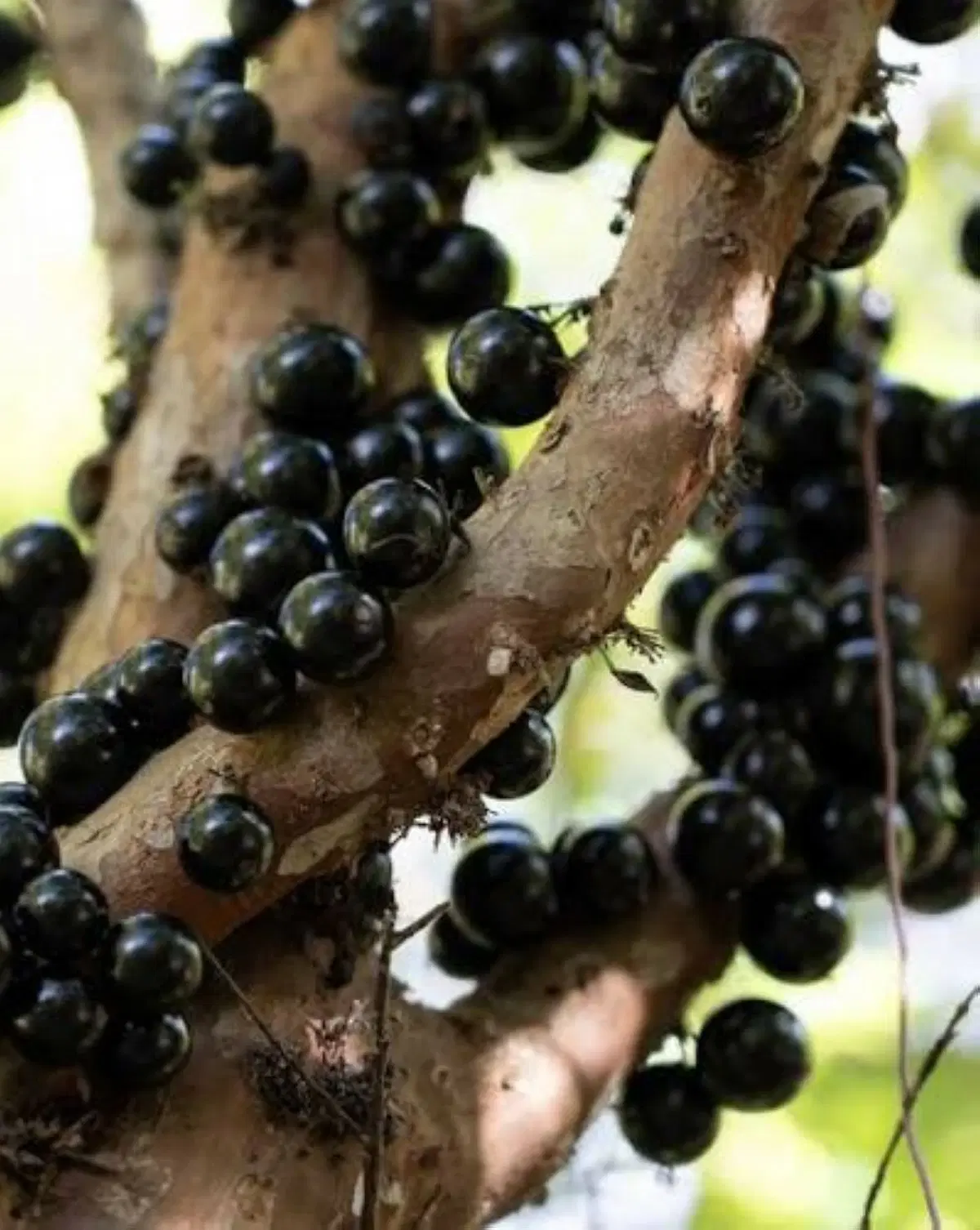
A study conducted by Brazilian researchers, published in the journal Food & Function, revealed that an extract from the peels of the Jabuticaba fruit, known as the "Brazilian grape," may help limit the spread of prostate cancer cells.
The researchers tested the effect of the extract on two types of cancer cells, one sensitive to hormonal therapy and the other resistant to it, and also studied its interaction with the anti-cancer drug enzalutamide.
The results showed that the extract contributed to limiting the ability of treatment-resistant cells to migrate and invade surrounding tissues, and also reduced some of the changes that increase their motility and aggressiveness.
The study also observed a potential role for the extract in limiting the formation of blood vessel-like structures within cancer cells, a process that may help tumors adapt to difficult conditions and is linked to treatment resistance. The extract also enhanced the effect of the drug enzalutamide in countering this process.
The effect was more pronounced in cells sensitive to hormonal therapy, while resistant cells showed a weaker response, although effects limiting some of their spread mechanisms continued to appear.
The researchers believe that these results may pave the way for developing supportive treatments for prostate cancer in the future; however, confirming the efficacy and safety of the extract in humans requires further studies, and the current results do not mean it is a proven cure for the disease.