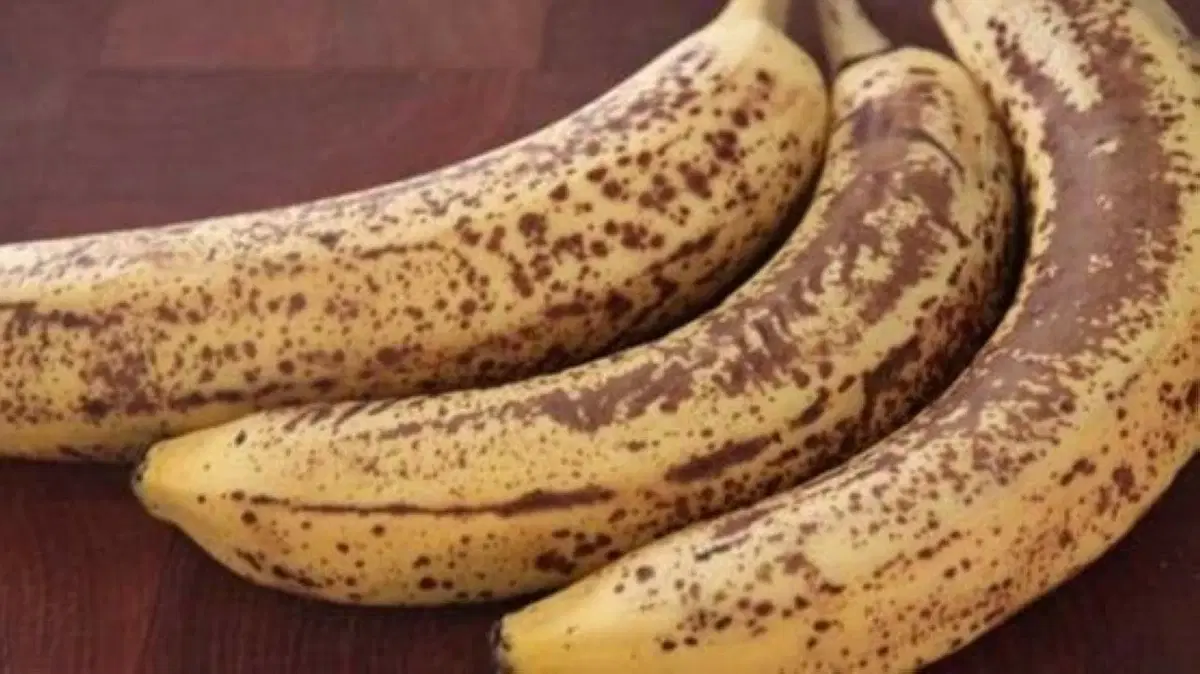
The browning of bananas after cutting may become a less annoying problem in the future, thanks to a new variety developed with gene-editing techniques that can maintain its yellow color and fresh appearance for longer, which could open new horizons for the food industry and contribute to reducing food waste.
The variety, developed by the British agricultural biotechnology company "Tropic Biosciences," has received a marketing notification from the UK Department for Environment, Food and Rural Affairs, in a significant step toward its market launch. However, it still needs to complete food safety assessments with the UK Food Standards Agency.
This banana has previously received regulatory approvals in at least 11 other countries, including the United States, Canada, Japan, and Brazil.
Why do bananas brown?
Most bananas consumed globally belong to the Cavendish variety, which reproduces vegetatively, making the development of new varieties through traditional hybridization more complex.
When a banana is peeled or cut and left exposed to air, enzymes inside its cells react with natural compounds known as polyphenols in the presence of oxygen, triggering a series of chemical reactions that lead to the formation of brown pigments.
This process is driven by the "polyphenol oxidase" enzyme, which plays a key role in the appearance of the brown color. Although browning does not necessarily mean the banana is inedible, it makes it less visually appealing.
This change differs from the natural transformations that accompany fruit ripening, such as strawberries turning red and oranges changing from green to orange.
How does gene editing work?
Tropic scientists used CRISPR-Cas9 technology to edit the genes responsible for producing the enzyme associated with browning, with the aim of reducing its activity and slowing down the chemical reactions that lead to color change.
This modification does not completely prevent browning, but it allows the banana to retain its yellow color for longer after being cut or peeled, with the potential to reduce bruising and extend the period it maintains its fresh appearance.
The importance of this technology lies in the possibility of introducing specific traits to Cavendish bananas while maintaining their desirable commercial characteristics. Also, the modification used does not require the introduction of foreign genetic material into the plant.
However, the process is not simple; it requires targeting the three copies of the gene in question, then regenerating whole plants from the edited cells, while avoiding unwanted genetic changes.
Does the taste or nutritional content change?
Researchers do not expect the modification to affect the banana's taste, aroma, texture, or nutritional value, but they point out the need to verify these characteristics, as the targeted enzymes may perform other functions within the plant.
Biochemical pathways are interconnected, and modifying a single gene may indirectly affect other processes, including the metabolism of phenolic compounds.
Therefore, slowing down browning does not necessarily mean that all the fruit's properties will remain exactly the same, which makes scientific and regulatory assessments important before launching the product on a large scale.
From the kitchen to food factories
The developing company is betting that extending the time bananas retain their fresh appearance will open new markets, especially for ready-to-eat products.
According to the company, banana pulp can remain in good condition for up to 24 hours if left on a kitchen counter, while its slices may retain their color for more than 12 hours after being cut, which could make it suitable for fruit salads, breakfast cups, milkshakes, and desserts.
This property may also help reduce the disposal of edible bananas due to bruising or discoloration, achieving potential economic and environmental benefits.
The company argues that reducing waste could contribute to lowering greenhouse gas emissions across the supply chain by more than 25%, an estimate put forward by the company that requires an assessment of its actual impact when the technology is applied commercially.
Do farmers benefit too?
Despite the potential benefits for consumers and the food sector, some researchers believe that reducing browning is a cosmetic trait primarily aimed at the consumer, and may not provide enough incentive for farmers to change their production methods.
They point out that the most important agricultural priority is developing varieties resistant to diseases, such as Black Sigatoka and Fusarium wilt, known as "Panama disease," which threaten banana production and increase cultivation costs.
Gene editing could help develop varieties more resistant to these diseases, thereby reducing reliance on pesticides and chemical treatments, lowering production costs, and protecting the environment and worker health.
Will the modified banana reach our tables?
The non-browning banana represents an example of gene-editing technologies moving from laboratories to applications that may affect the daily lives of consumers. However, its commercial success will depend on completing safety assessments, the extent of consumer acceptance, and its price compared to traditional bananas.
While this innovation may help reduce food waste and develop new food products, the biggest challenge facing agricultural technology remains achieving tangible benefits for both consumers and farmers, especially in light of climate change and the increasing diseases threatening food crops.