How digital broadcasting expands the football fan base globally
Amman6 min read
Share
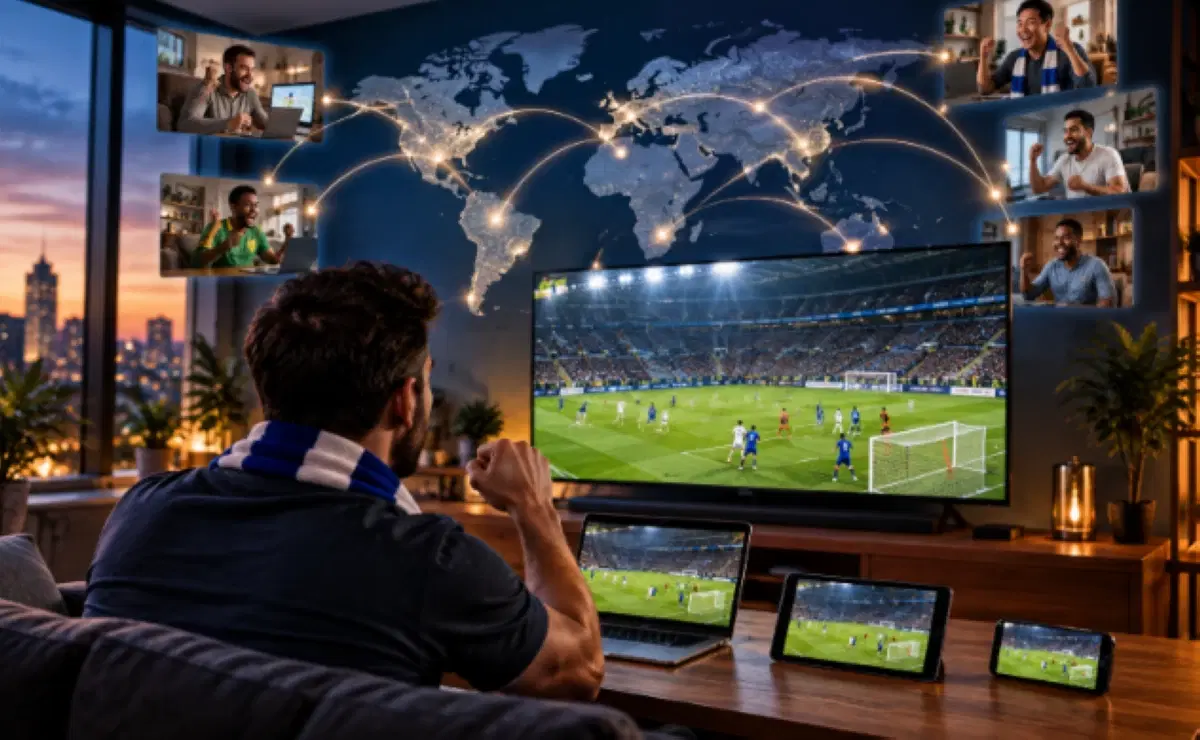
Following football is no longer tied to traditional channels or the fan's location. The match now reaches phones, computers, and connected TVs within seconds. This shift has expanded the reach of tournaments beyond their usual markets. It has also given clubs the opportunity to build daily relationships with new fans.
This pattern is clearly evident in regions where mobile phones are used to follow sports programs. Users search for live broadcasts, match results, statistics, and short videos in their preferred language. Amidst this digital diversity, the 1xbet kurdish platform stands out with its sports content and services tailored to the local audience. This reflects the importance of language and accessibility in shaping modern viewing habits.
The impact of broadcasting does not stop at the number of full-match viewers. A viewer might discover a new team through a short goal clip or an interview. Afterward, they begin following news, statistics, schedules, and player content. In this way, a casual viewing turns into a more regular relationship with football.
Distributing matches online has become a key factor in audience growth. Digital platforms can serve multiple regions and languages from a single technical infrastructure. This reduces the importance of traditional borders that governed broadcasting rights for decades. It also allows for the coverage of tournaments that previously did not receive significant television space.
The 2025 FIFA Club World Cup provided a clear example of this trend. DAZN broadcast all 63 matches live and for free on a global scale. FIFA estimated the total audience for the tournament at about 2.7 billion people. Furthermore, football fans' awareness of the tournament taking place reached 80% globally.
Interest was not limited to live viewing during the tournament. The FIFA website recorded about 16 million unique visitors during June 2025. Nearly six million followers were added to FIFA accounts during the early stages. Digital materials achieved about 2.7 billion impressions across various platforms.
The phone has become the primary entry point for many football followers. It combines broadcasting, results, news, and social clips on one screen. Therefore, a geographically distant tournament can reach an audience that has never watched it before. This audience does not need to change their daily media habits.
The experience of the UEFA Euro 2024 provides important evidence of this shift. UEFA platforms recorded more than 90 million unique users during the tournament. 94% of usage came via mobile phones. Video content also achieved 4.5 billion views, an increase of 246% over the 2020 edition.
Several digital elements help turn a new viewer into a regular follower:
Notifications for match kick-offs, goals, and final results.
Short summaries suitable for viewing on the go.
Statistical pages showing shots, possession, and player performance.
Content translated or customized for the user's language.
Clear schedules for upcoming matches and tournament standings.
These services make the relationship with the team continuous between matches. The fan does not wait ninety minutes to get new content; instead, they find small updates throughout the day. This repetition increases the audience's knowledge of players and tournaments.
Short videos play a different role than full broadcasts. They reach people who did not originally plan to watch a match. Platform algorithms display a goal or a skillful move based on interests. Then, the user might move on to follow the team or the tournament.
The power of this model appeared during the 2026 World Cup. FIFA announced 20 billion video views across its platforms during the tournament. The FIFA website also received about 187 million unique visitors. The figure increased by 25% compared to the same period of the 2022 edition.
FIFA accounts also gained 54 million new followers during the tournament. 23 million of them came from TikTok alone. The number of users of the tournament and FIFA apps reached about 50 million combined. These figures reflect the audience's easy transition between social video and official services.
The audience no longer uses one screen throughout the match. Many watch the match on TV and follow their phone at the same time. The second screen displays statistics, comments, clips, and quick replays. Thus, the broadcast becomes the starting point for a broader digital experience.
Deloitte research points to the strength of this behavior among younger audiences. About half of Gen Z fans use social media while watching sports events at home. Some search for commentary or interact with other users. Many also prefer viewing features that allow for direct social interaction.
Football platforms benefit from this behavior through integrated services, including:
Live statistics that change with match events.
Player rankings based on performance data.
Quick replays of goals and important opportunities.
Behind-the-scenes content before and after the match.
Non-monetary polls and predictions related to the result and performance.
These features increase the time the audience spends with the competition. They also give the fan reasons to return before and after matches. Daily content becomes part of the viewing experience. This is especially important for clubs that want an audience outside their local market.
Major tournaments are not the only ones benefiting from the changing broadcast market. The internet has made distributing smaller competitions more feasible. A platform can offer many matches without needing an independent channel for each tournament. This opens new markets for clubs and federations.
FIFA+ launched on DAZN during June 2026 as part of a major expansion of viewing services. The offering includes about 8,500 live matches annually. The matches come from nearly 100 national federations around the world. This model gives many competitions the opportunity to reach an international audience.
Digital proliferation also helps build value for a tournament outside of major matches. A fan can follow a team because of one player or a striking clip. Then they learn about the rest of the competition, its schedule, and its rivals. Thus, a tournament with limited attendance might move to a wider digital community.
The growth of football fans has become as linked to ease of access as it is to the quality of competition. The new fan needs a short path to the match, information, and summaries. Digital platforms provide these elements within a single environment. Therefore, global expansion has become faster than the traditional television model.
UEFA figures reveal the size of the audience that modern broadcasting can reach. The Champions League recorded a global audience of 1.182 billion during the 2024-2025 season. Viewership of the Europa League and Conference League also increased by 22% compared to the previous season.
Broadcasting will continue to remove the distance between competitions and their potential fans. Language, customization, and ease of use will become more influential factors in content selection. Platforms will also combine the match, data, and social video into one experience. The result is a fan base that is more widespread, diverse, and connected to football.