Independent content creators played a significant role in these numbers. A group of creators with a combined total of 350 million subscribers produced content that achieved more than 2.5 billion views during the tournament period. In Brazil, the CazéTV channel, which holds the rights to broadcast matches on YouTube, presented a new model where the digital streaming platform became a key partner rather than a supplement to traditional television channels.
The live broadcast of the final match between Spain and Argentina on July 19 achieved an average of 21 million viewers across more than 40 markets, reaching a peak of over 27 million concurrent viewers on YouTube. The official FIFA YouTube channel garnered more than 4 billion views and added 7.5 million new subscribers during the tournament period.
Television figures were also strong, especially in the United States, which hosted the largest part of the tournament. On English-language channels alone (Fox, FS1, and Tubi), the average viewership reached 5 million viewers per match during the group stage, an increase of 92% compared to the 2022 edition in Qatar.
The second-round match between the United States and Belgium attracted 33 million viewers on the Fox channel alone, peaking at 41 million viewers, the highest figure for a football match on a single television network in years. Combined viewership across English and Spanish channels for the same match exceeded 50 million viewers. FIFA announced on July 8, eleven days before the end of the tournament, that video views across its platforms had exceeded 20 billion, with 30 billion impressions and 1.7 billion interactions on the two preferred platforms, YouTube and TikTok. The final figure after the championship match has not yet been published.
On the Spanish-language platforms Telemundo and Peacock in the United States, the digital leap was most prominent. The average digital viewership per match rose from 767,000 to 3 million viewers, an increase of nearly 297%. The final match alone attracted 13.9 million viewers via digital broadcast, an increase of 370% compared to the highest figure in the previous tournament. The digital broadcast share of the total audience for these platforms rose from 30% in 2022 to 48% in 2026.
These figures specifically concern the Spanish-speaking US market and are not comprehensive global figures. However, they reflect a trend that is being repeated in other markets at varying rates.
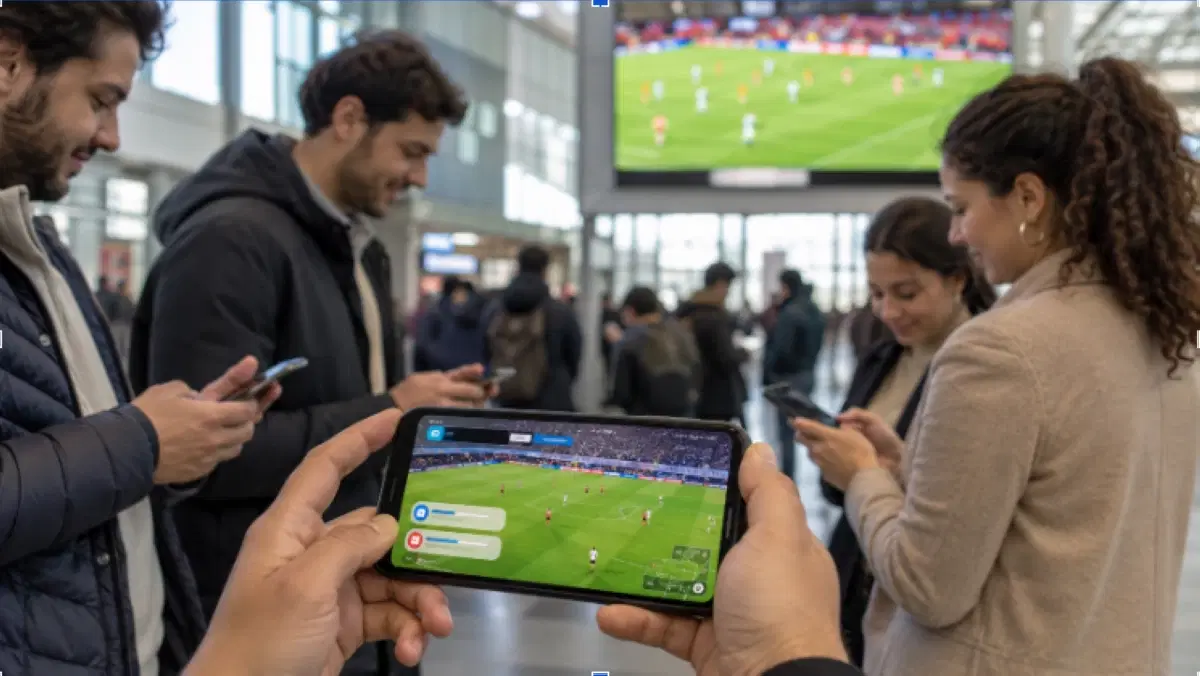
The time differences between the three continents that hosted the tournament meant that many matches were played during working or commuting hours, and the phone was the only available means for following in many time zones. Sports applications of all kinds, from live streaming platforms to football betting apps and real-time statistics platforms, became an essential source for updates during and between matches alike.
Streaming apps provided instant notifications for goals, cards, and player substitutions, making the follower feel close to the event even without watching the video.
The co-watching feature on YouTube allowed content creators to stream matches with their own commentary, adding a social dimension that made the experience more interactive than traditional television viewing.
Local platforms in several markets expanded their server capacity and used real-time load balancing technologies to keep up with the unprecedented demand for live streaming.
Indicator
2022 World Cup
2026 World Cup
Peak concurrent viewership on YouTube
Did not exceed 20 million
27 million (final match)
Viewers of tournament content on YouTube
Not available
1.7 billion unique viewers
Digital broadcast share (Telemundo/Peacock)
30%
48%
Average digital viewership per match (US Spanish)
767 thousand
3 million
Major leagues have begun their new season, with the English Premier League kicking off on August 21 and the French League starting on the same day, while the Champions League entered its league phase on September 8. Clubs and broadcasters are now dealing with an audience that increasingly relies on digital screens, with expectations for fast updates, stable streaming, and phone-friendly interfaces. The experiences of Telemundo in the United States and CazéTV in Brazil showed that digital broadcasting is now capable of attracting a wide audience alongside traditional television channels.
What this summer's figures proved is that digital broadcasting is no longer a secondary alternative to television. In some markets, it reached nearly half the audience during a single tournament. Final audited figures from FIFA have not yet been released, but initial indicators suggest that the 2026-2027 season will be the first real test to see if this shift in viewing habits is temporary or permanent.