Canada and Europe seek a new transatlantic internet route
Amman5 min read
Share
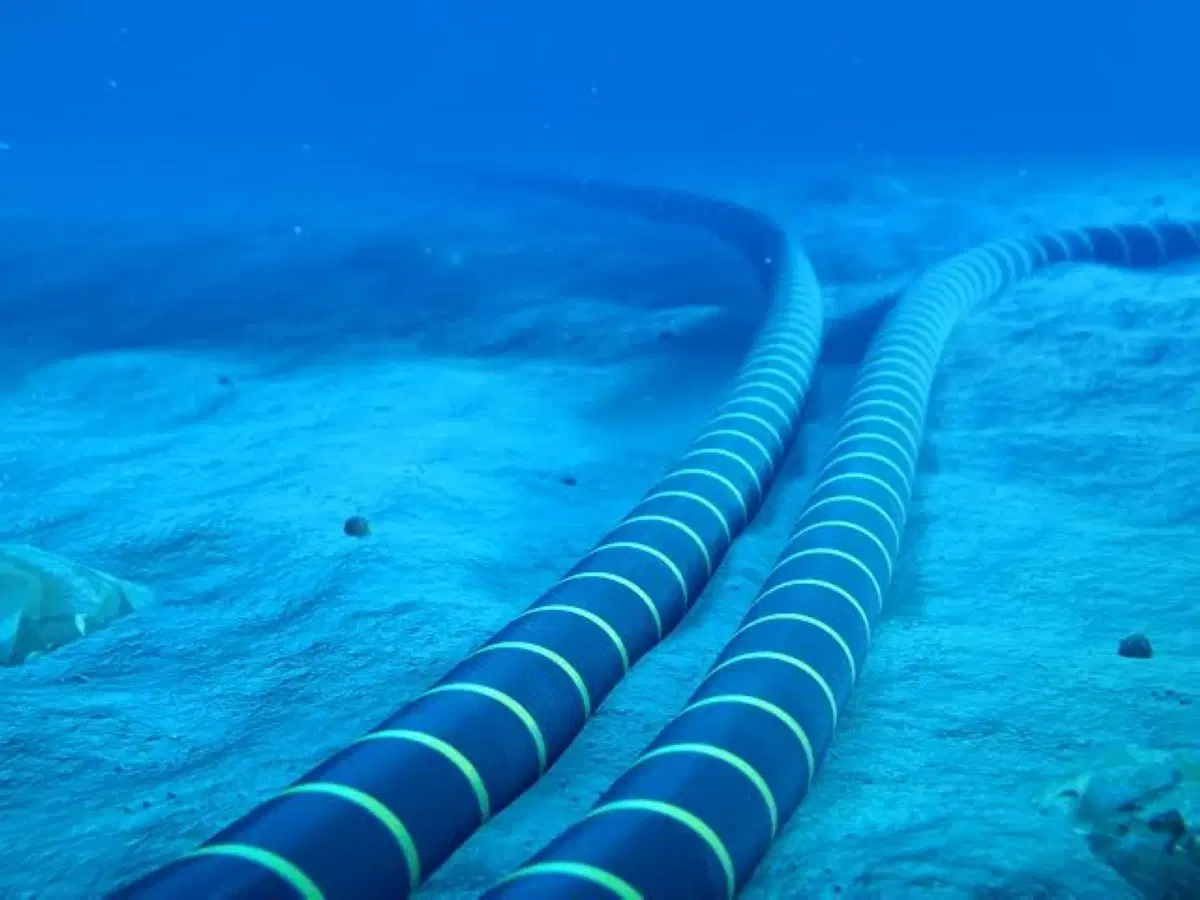
Eyes are turning to the depths of the Atlantic Ocean, where a subsea telecommunications project is emerging, aiming to connect Norway to Canada via a route that bypasses U.S. territory. This move reflects a growing trend toward diversifying digital infrastructure and reducing reliance on American networks.
The project is named "Leif Erikson" and is being developed by the Norwegian company Bulk Infrastructure, with the goal of creating a direct corridor for data transmission between Northern Europe and Eastern Canada, with a terrestrial extension reaching Montreal. The objective is not limited to improving internet connectivity; it also includes enhancing the security and resilience of communications in light of the growing needs of artificial intelligence and data centers.
A new digital transatlantic route
According to the proposed concept, the subsea portion of the cable will extend for about 4,600 kilometers, starting from southern Norway and reaching the Happy Valley-Goose Bay area in the Canadian province of Newfoundland and Labrador, before continuing via a terrestrial link of nearly 1,900 kilometers toward Montreal, bringing the total route length to about 6,500 kilometers.
This proposed route provides an alternative to the traditional paths through which some Canadian data traffic passes, as the company seeks to provide a direct connection to European digital infrastructure without the need to cross U.S. territory.
However, the project is still in the development phase and requires funding, commercial partners, and regulatory approvals before moving to implementation, making the realization of its goals dependent on completing these requirements and entering service.
Why is Canada looking for alternative routes?
The project comes at a time when the importance of diversifying digital infrastructure is increasing, especially as a portion of Canadian data and communications traffic relies on networks and routes linked to the United States.
Creating an alternative route could give Canada additional options for transmitting data to Europe and reduce the risks of relying on a limited number of international corridors. If one of the routes experiences technical failures, physical damage, or other disruptions, alternative paths could help maintain connectivity and mitigate the effects of outages.
The move also gains importance in light of political and trade tensions between Washington and Ottawa, and Canada's pursuit of strengthening its ability to manage its critical infrastructure.
The developer presents the project as a means to support the independence of Canadian communications and provide a direct link to Europe, but this does not mean a complete separation from the American digital ecosystem, but rather a reduction in reliance on it for a portion of data traffic.
What is the project's relationship to artificial intelligence?
The importance of the project is inseparable from the rapid expansion of artificial intelligence and cloud computing, as these technologies rely on massive data centers that require high-capacity international connections to move large amounts of information between computing and storage sites.
From this perspective, Bulk Infrastructure aims to meet the needs of the telecommunications, artificial intelligence, and large-scale computing sectors, leveraging the geographical location of both Norway and Canada, as well as the renewable energy potential in both countries.
The idea is based on supporting digital infrastructure that connects regions with the potential to provide renewable electricity, which could help attract new investments in data centers and digital services.
However, building the cable alone does not guarantee lower costs for operating artificial intelligence or attracting new investments, as these results depend on the availability of electricity, computing capabilities, customers, and the necessary funding.
Does the new route provide greater data protection?
The proposed cable could enhance communication resilience and reduce reliance on routes passing through the United States, but it does not automatically provide complete protection for data from surveillance or unauthorized access.
Communication security depends on a set of factors, including data encryption, network operators, information storage locations, and the laws governing the services used.
Data may move via the new cable to cloud services or platforms managed by American companies after reaching Canada, if institutions or users choose those services.
Therefore, enhancing digital independence is not achieved simply by changing the cable route, but also requires attention to data centers, cloud services, network management, and information protection policies.
High cost and implementation challenges
The project's cost is estimated at more than $620 million, according to press reports that cited details of the proposal from Bloomberg.
The company is seeking to attract a Canadian partner that would hold a majority stake in the project, in addition to securing funding and customers who can ensure its long-term commercial viability.
Obstacles include completing marine surveys, identifying the most suitable route on the ocean floor, assessing geological and environmental risks, and implementing the long terrestrial link within Canada.
The project also requires obtaining the necessary permits, coordinating with regulatory bodies, and consulting with Indigenous communities that may be affected by the terrestrial infrastructure.
Its chances of success do not stop at providing funding and permits, but also depend on the company's ability to attract telecommunications operators and customers, and to offer capacities that compete with existing routes in terms of cost and reliability.
Is it possible to do without American infrastructure?
It is unlikely that building a new subsea route, on its own, will lead to ending reliance on American digital infrastructure. International networks are interconnected, and institutions rely on a vast ecosystem that includes subsea cables, data centers, cloud computing platforms, and internet exchange points.
But the main importance of the "Leif Erikson" project lies in providing an additional option to diversify data transmission routes between Europe and North America, and reducing reliance on traditional paths that pass through the United States.
The project reflects a growing trend toward treating subsea cables as a fundamental part of digital security and the modern economy, rather than just a means of transporting data between continents.
Ultimately, the importance of the project will be determined by its ability to enter service, attract customers, provide reliable and sustainable connectivity, and enhance the diversity of international routes, without that meaning a complete abandonment of American digital infrastructure.