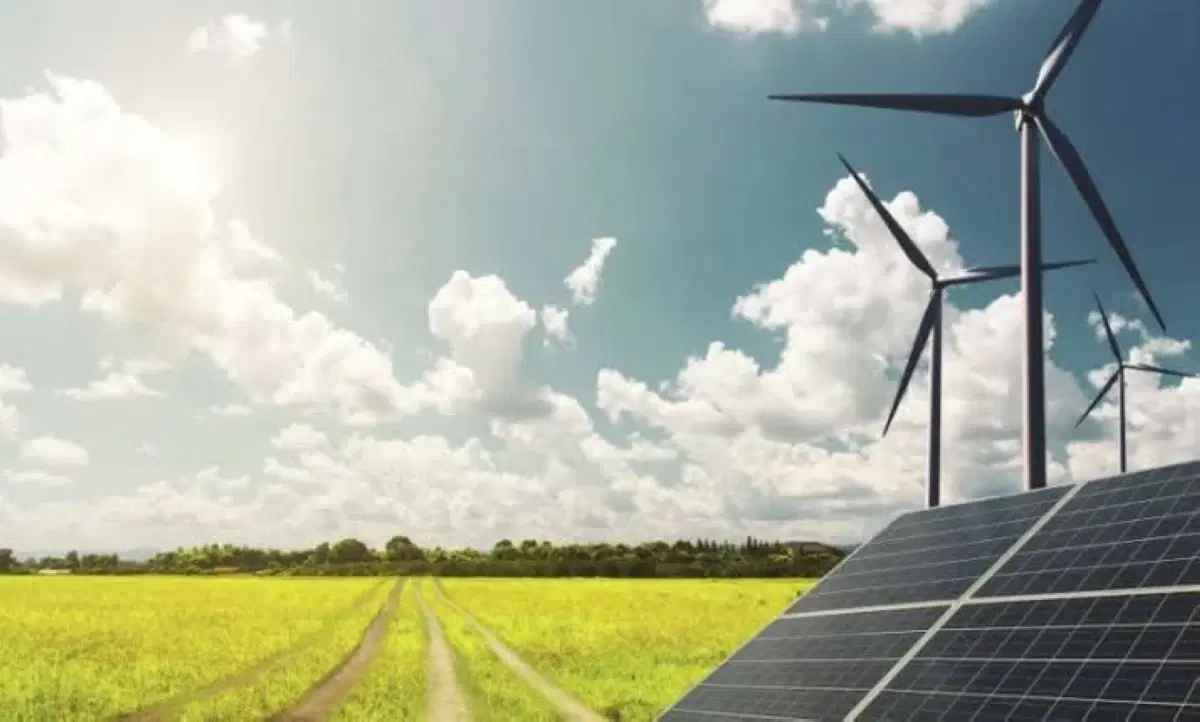
As Morocco accelerates its shift toward generating electricity from solar and wind energy, the challenge is no longer limited to increasing production capacity; it now encompasses electricity storage, transmission, and ensuring availability during peak demand. Given the fluctuations in production linked to weather conditions and varying daylight hours, storage emerges as a fundamental element for ensuring grid stability and accelerating the transition toward clean energy.
A scientific study published in August 2026 in the journal "Reliability Engineering & System Safety" highlights the impact of integrating intermittent renewable energies on the reliability of the Moroccan electrical system by 2030, emphasizing the importance of pumped-storage hydropower and electrical interconnection in enhancing system stability.
Pumped-Storage Hydropower.. Energy on Demand
Fluctuations in electricity production from solar and wind do not necessarily threaten grid stability, but they do necessitate the development of flexible solutions that allow for the utilization of surplus production during periods of low consumption and its reuse when demand rises.
In this context, Baali Seghir, an engineer, energy expert, and president of the Water and Energy for All Association, asserts that developing storage methods has become a necessity to keep pace with the continuous growth in electricity demand, which he estimates at about 7% annually, in addition to enhancing grid flexibility and reliability.
Pumped-storage hydropower technology relies on using electricity to pump water from a lower reservoir to an upper one, then passing it through turbines to generate electricity when needed, especially during evening peak hours. However, the feasibility of this technology remains linked to construction and operating costs, plant efficiency, and the geographical and water conditions of the selected sites.
Morocco currently possesses two pumped-storage hydropower plants: the Afourer station with a capacity of 464 MW, and the Abdelmoumen station with a capacity of 350 MW, totaling 814 MW.
177 Billion Dirhams to Develop the Electrical System
As part of its plan to expand renewable electricity production and enhance storage capabilities, Morocco is allocating total investments of 177 billion dirhams, or about 17.7 billion dollars, to the electricity sector during the 2026–2030 period, according to data regarding the equipment plan of the National Office for Electricity and Potable Water (ONEE).
The program includes allocating 104 billion dirhams, equivalent to about 10.4 billion dollars, to develop renewable electricity production capacities, adding 11.6 GW of new capacity, in addition to 2.6 GW of storage capacity.
The project also includes battery energy storage systems with a total capacity of 2,230 MWh, a new pumped-storage hydropower plant in the M'dez region with a capacity of 360 MW, as well as adding 3,744 MW of flexibility capacity based on natural gas.
These investments reveal that storage is not a separate project, but part of an integrated plan to modernize the electrical system, which also includes developing transmission lines and improving interconnection between production areas and consumption centers.
The importance of this step is not limited to ensuring supply stability; it extends to supporting the competitiveness of Moroccan companies exporting to European markets, where the carbon footprint of products is becoming increasingly important. Batteries can help facilities use renewable electricity at times when production does not coincide with consumption, with economic and environmental results varying according to the nature of the activity and alternative energy sources.
A Stronger Grid and Wider Interconnection
In addition to storage, Morocco faces the challenge of transmitting electricity from regions rich in solar and wind resources, especially in the south, to consumption centers. This requires strengthening transmission lines and expanding grid capacity to accommodate increasing production.
Storage can help manage surplus electricity, but it does not replace the construction of new lines when distances or limited grid capacity necessitate it. Therefore, choosing the most appropriate solution depends on the production site, the volume of demand, consumption patterns, and economic cost.
In this framework, a study published in 2022, which utilized geographic information systems and multi-criteria analysis, identified about 1,606 potential sites for building pumped-storage hydropower plants in Morocco. More than 36% of these were considered highly suitable according to the study's criteria, with the total potential of these sites estimated at about 6,862 GWh.
However, these figures reflect theoretical potential and do not mean that this capacity is currently available or that all sites are ready for immediate development. Furthermore, successive years of drought and pressure on water resources require that projects be subjected to a precise assessment of their environmental and water impacts before implementation.
Diversifying Solutions to Ensure Energy Security
Expert Baali Seghir believes that enhancing energy security requires diversifying storage methods and expanding electrical interconnection with neighboring countries, including European markets, and studying the potential for interconnection toward Mauritania and West Africa, allowing for the management of production surpluses and deficits according to the needs and available capacities of the grids.
Natural gas can play a complementary role when electricity production from solar and wind decreases; however, its use requires balancing its cost and environmental impact with emission reduction goals.
Thus, the future of green energy in Morocco does not depend solely on producing more clean electricity, but is also linked to the ability to store, transmit, and provide it at the right time, within a system that combines pumped-storage hydropower, batteries, advanced grids, and regional interconnection, while taking into account water sustainability and the economic feasibility of each project.