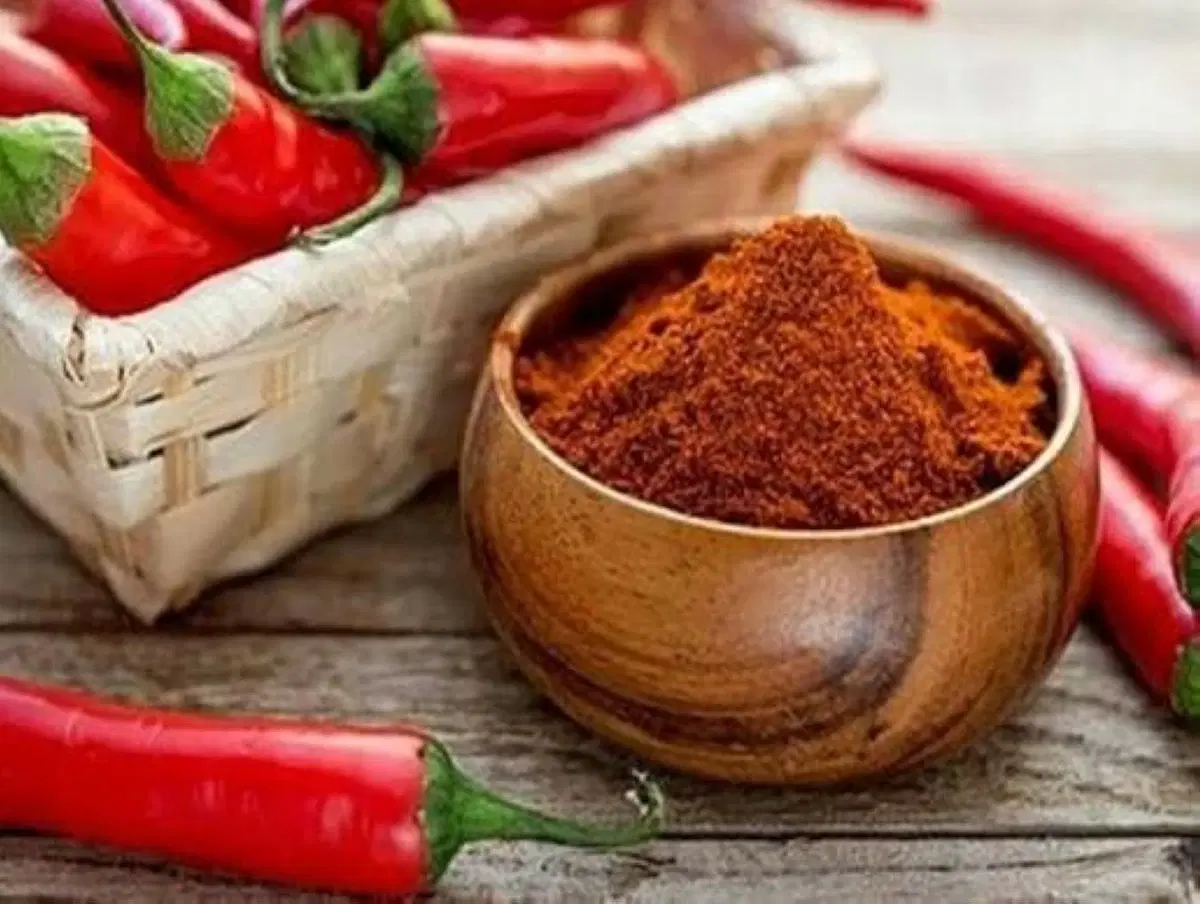
A study published in the journal Food & Function has shown that smoked red pepper may contribute to improving cholesterol levels and supporting the diversity of beneficial gut bacteria, according to the results of experiments conducted on mice.
The study included 30 laboratory mice, 16 females and 14 males, over a period of 30 days. Researchers provided some with a standard diet, while adding 5% smoked red pepper to the diet of the other group.
The researchers monitored blood and metabolic markers, as well as the condition of internal organs and the composition of the gut microbiome.
The results showed that female mice that consumed smoked red pepper recorded a decrease in total cholesterol and low-density lipoprotein (LDL) levels, along with an increase in gut bacteria diversity and a decrease in intestinal fat levels.
Researchers suggest that these changes are linked to the effect of spices on lipid metabolism, noting that the results varied depending on the sex of the animals and how the pepper was processed within their bodies.
Analyses also indicated that smoking may alter the chemical composition of red pepper due to its interaction with compounds resulting from wood smoke, which may affect metabolic products.
The study did not observe any signs of damage to the internal organs of the mice as a result of consuming the pepper, and blood and metabolic markers remained within normal ranges.
However, these results remain preliminary, as the study was conducted on mice, and human studies are still needed to confirm these benefits in humans.