Cinnamon, ginger, and chamomile.. Do they help lower blood sugar?
Amman3 min read
Share
The results of studies suggesting potential benefits of certain herbs in controlling blood sugar may prompt you to include them in your diet, but benefiting from these results requires distinguishing between a homemade drink and the supplements or extracts tested by researchers.
The quantity, concentration, preparation method, and duration of use of active ingredients may vary, making it inconclusive to generalize study results to a cup of herbal tea. Furthermore, the existence of positive indicators does not mean these drinks are a substitute for prescribed diabetes medications.
According to the US National Center for Complementary and Integrative Health, scientific evidence regarding some herbal supplements remains limited, given the variations in preparations, dosages, and participant characteristics in studies.
Scientific reviews have indicated that some cinnamon supplements may help improve fasting blood sugar and insulin resistance, but trial results have not been consistent enough to prove their effectiveness as a treatment for diabetes.
The cinnamon used in studies differs from the homemade drink, as trials may rely on specific preparations and dosages for certain periods of time.
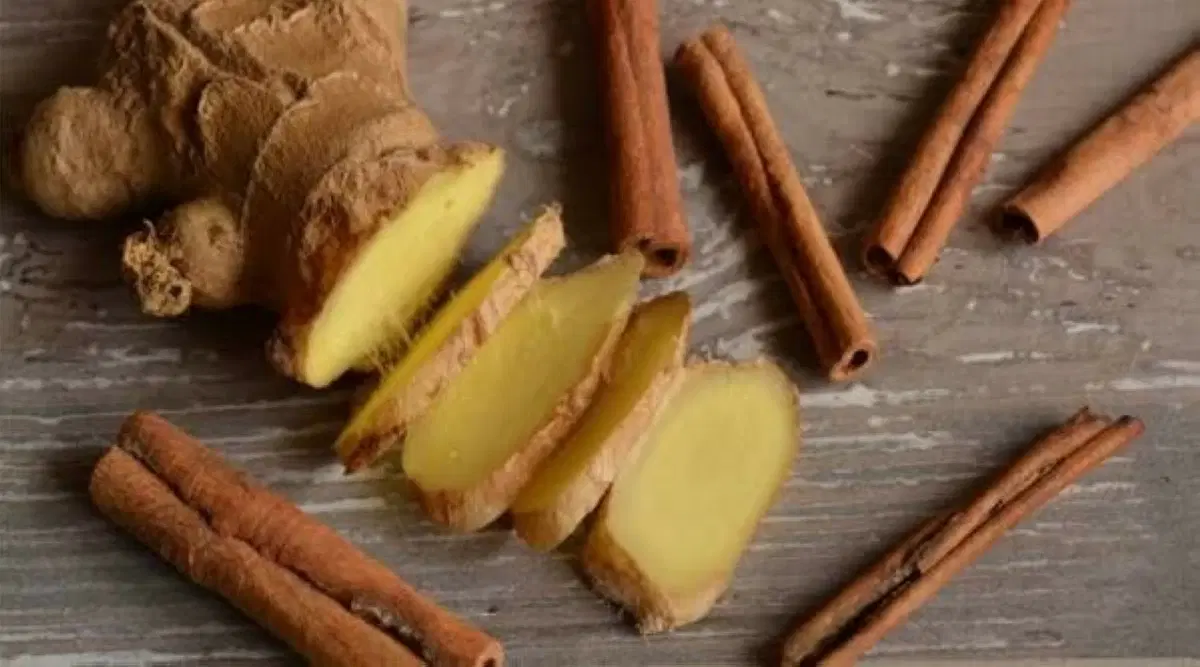
Additionally, some types of cinnamon, especially "Cassia" cinnamon, contain coumarin, which may harm the liver when consumed in large quantities, making excessive intake inadvisable.
Research reviews have shown that ginger supplements may be associated with improvements in some blood sugar control indicators, including fasting blood sugar and HbA1c.
However, these results do not prove that drinking ginger infused in water achieves the same effect, nor do they guarantee a drop in blood sugar for everyone. They also do not justify reducing or stopping medication doses without consulting a doctor.
Unlike some studies that focused on supplements, one trial tested chamomile tea in 64 people with type 2 diabetes.
Participants in the intervention group drank tea three times daily after meals for eight weeks, and researchers observed an improvement in some blood sugar control indicators compared to the other group.
However, the small size of the study and its short duration do not allow for definitive conclusions about the long-term effectiveness of chamomile, or for considering it superior to other herbs.
When reading a study about herbs and blood sugar, it is important to know the type of preparation tested, the dosage used, the number of participants, the duration of follow-up, and whether the results measure a laboratory change or a sustained health benefit.
One should also distinguish between consuming an unsweetened herbal drink and using it as a treatment. Adding honey, for example, increases the amount of sugar in the drink, and it should be accounted for within the diet.
As for concentrated supplements and extracts, they may cause side effects or interact with certain medications, so it is advised to consult a doctor or pharmacist before using them.
Ultimately, herbs can be part of a diet, but diabetes management depends on a comprehensive plan that includes proper nutrition, physical activity, monitoring blood sugar levels, and adherence to prescribed treatment, not on any single drink.