Onions and insulin resistance.. What do studies say?
Monitoring2 min read
Share
Preliminary studies indicate that consuming onions may help improve blood sugar regulation and enhance the body's insulin sensitivity, thanks to their content of antioxidants and beneficial plant compounds; however, scientific evidence remains limited.
According to the "Verywell Health" website, studies have observed a correlation between onion consumption and improvements in certain blood sugar control markers, without confirming their ability to provide sustainable benefits or improve cellular response to insulin.
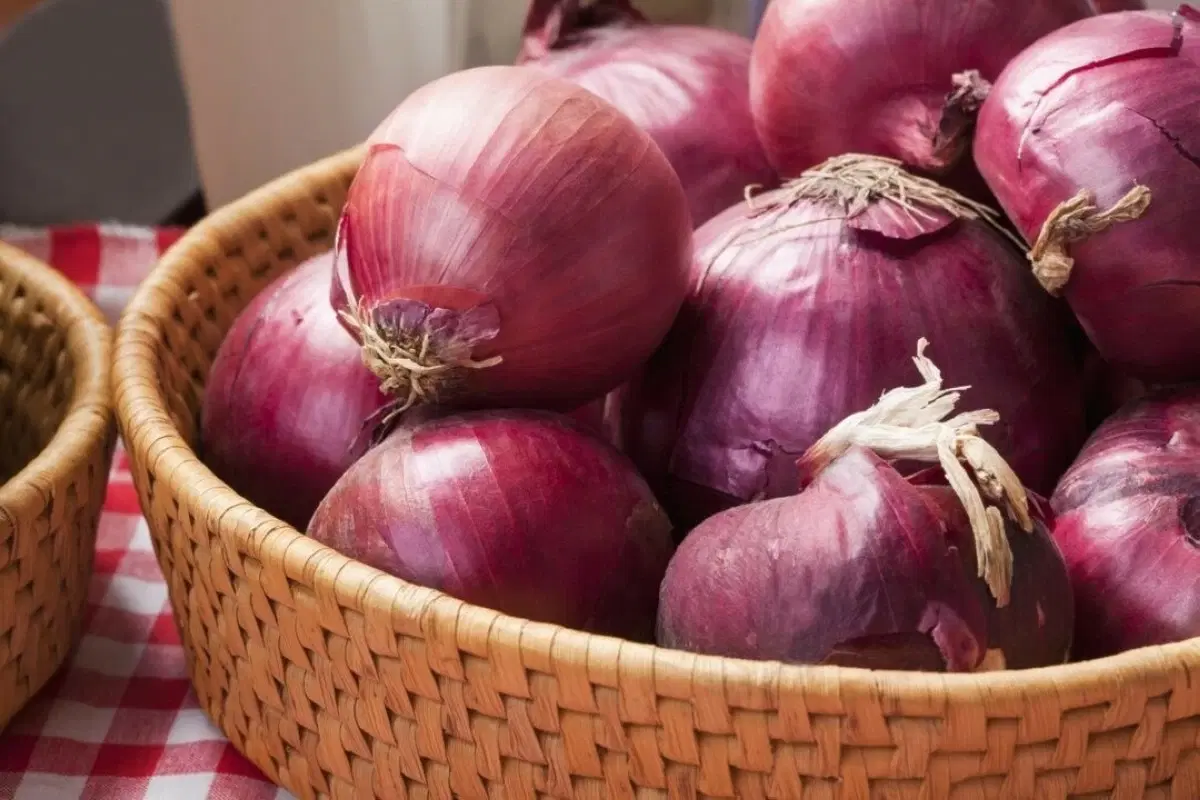
One study showed that consuming 100 grams of raw red onion was associated with a decrease in blood sugar levels after four hours, but it did not specify how long this effect lasts.
In another study involving women undergoing chemotherapy for breast cancer, participants who consumed between 100 and 160 grams of fresh onions daily for eight weeks recorded better blood sugar and insulin resistance markers compared to those who consumed smaller amounts ranging from 30 to 40 grams daily. However, these results cannot be generalized to other groups due to the nature of the participants and the study conditions.
Compounds that may support sugar regulation
Part of these benefits may be attributed to the compound "quercetin," an antioxidant that may help reduce inflammation and oxidative stress, both of which are factors that can affect the efficiency of insulin function.
Onions also contain prebiotic fibers, such as inulin, which nourish beneficial gut bacteria and may contribute to supporting metabolic health. The sulfur compounds found in them are also being studied for their potential role in regulating sugar levels.
However, much of the evidence regarding these compounds is derived from laboratory experiments and animal research, while human studies remain insufficient to confirm the extent of their impact and the amount needed to achieve tangible benefits.
Is onion enough to lower blood sugar?
Raw or cooked onions can be a useful part of a balanced diet, but current evidence does not justify considering them a treatment for insulin resistance or high blood sugar.
Experts emphasize the importance of continuing to adhere to prescribed treatments and nutritional and medical recommendations, and not replacing medications or a treatment plan with onion consumption.