When a headache turns into a fear of illness.. How does anxiety create the worst-case scenarios?
Amman5 min read
Share
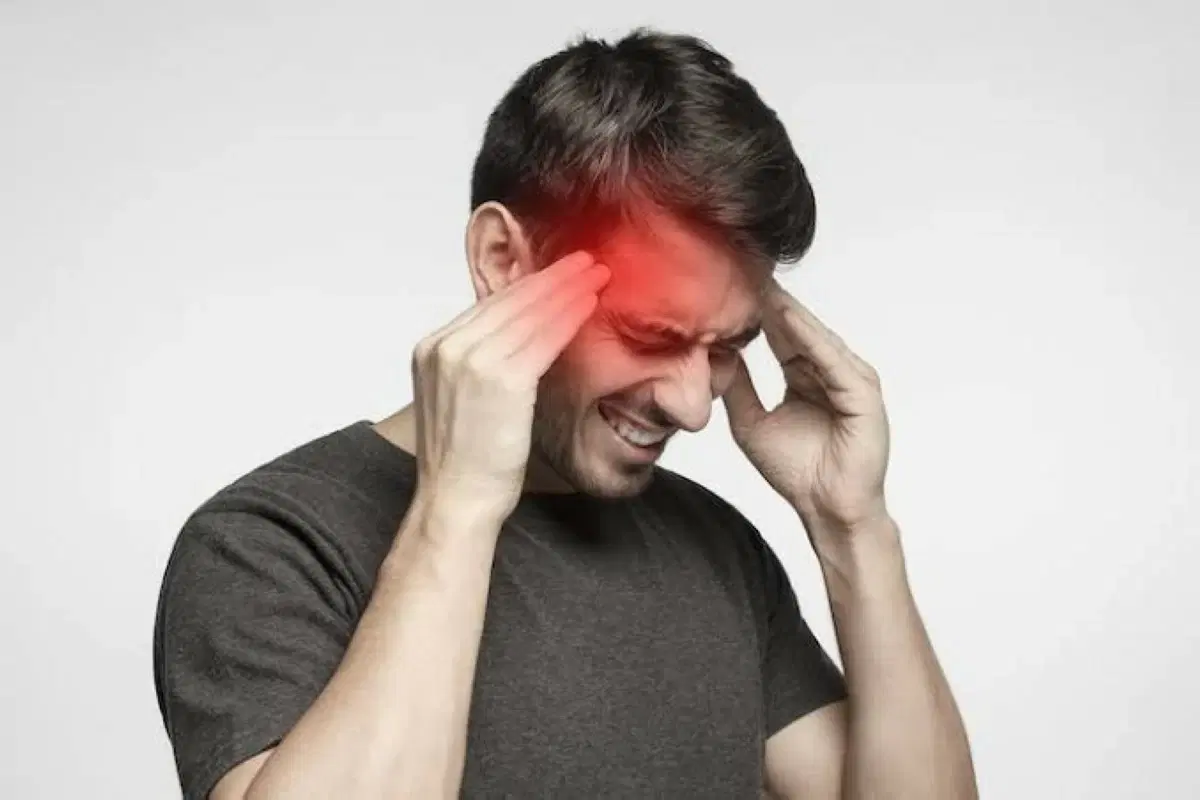
It may start with a fleeting headache or sudden palpitations, but minutes of searching online may lead you to imagine the worst-case scenarios. Between constantly monitoring the body, browsing medical websites, and seeking reassurance from others, some find themselves trapped in a cycle of fear that is difficult to break.
This is what is known as "health anxiety," when normal concern for the body exceeds its limits and turns into a constant preoccupation with the possibility of having a serious illness, even when there are no clear indicators to support this fear.
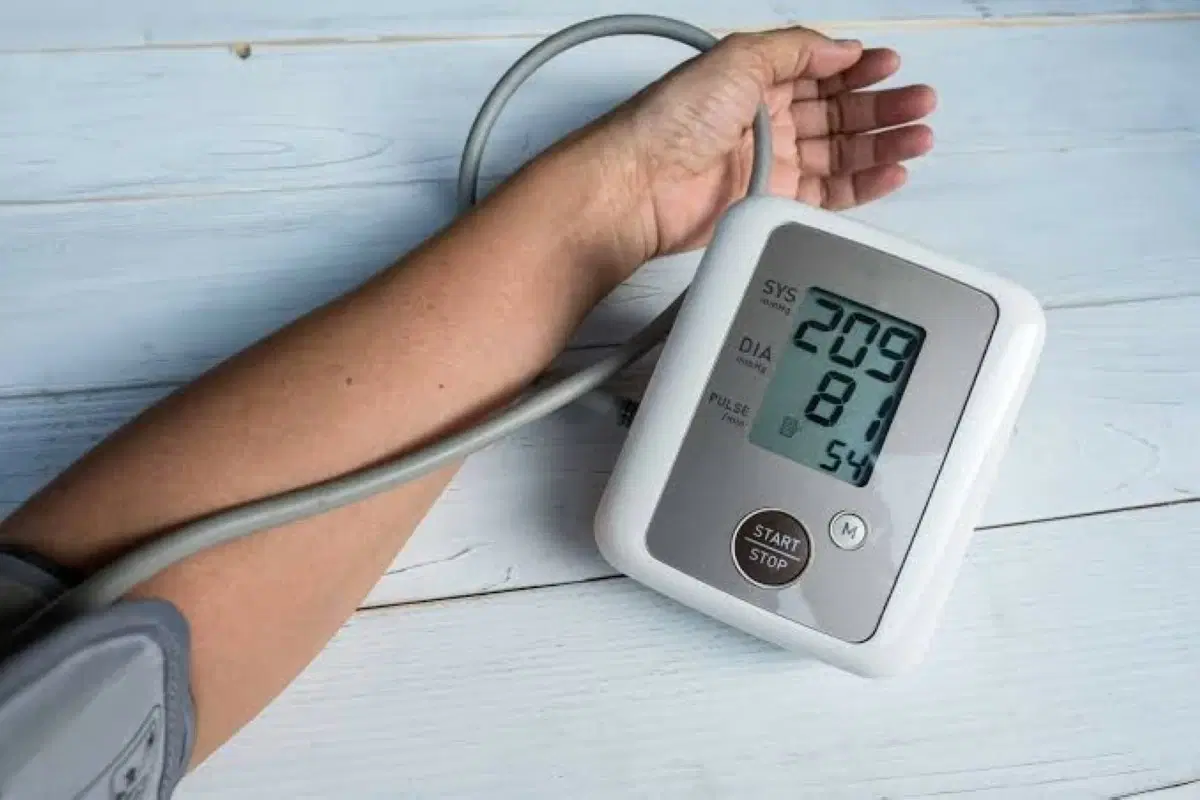
According to the British National Health Service (NHS), this anxiety can affect daily life and cause a person to interpret normal physical sensations as signs of a serious illness. The irony is that anxiety itself can cause real symptoms, such as headaches and rapid heartbeat, so fears increase instead of subsiding.
The problem often begins with a physical sensation that draws attention, followed by a frightening interpretation, then repeated searching for symptoms, body checking, or seeking reassurance.
These behaviors may provide a temporary sense of relief, but the fear returns after a while, and the person begins searching again, as if they need constant confirmation that they are okay.
With the repetition of this cycle, they may become more attentive to their body's sensations and more inclined to interpret them in a worrying way. Thus, the anxiety is no longer linked to the first symptom alone, but extends to anticipating the appearance of other symptoms and fearing their implications.
Taking an interest in health and seeing a doctor when necessary are normal behaviors, but repeated testing, searching for symptoms, and seeking confirmation from others can turn into a daily burden.
The problem is not in searching for information itself, but in using it repeatedly to alleviate fear without reaching a stable sense of reassurance.
Gradually reducing these behaviors may help break the cycle, without neglecting medical check-ups or the follow-up recommended by a doctor.
How many times do you check your body for a new sign? And how many times do you search for the same symptom or ask others if you have a serious illness?
Write these times down for a short period to recognize the extent of their impact on your day. After that, try to gradually reduce repeated checking, while continuing with the measurements and tests recommended by the doctor for medical reasons.
When you feel a headache or palpitations, your mind may jump directly to a serious illness. But the presence of a physical symptom alone is not enough to determine its cause.
Try writing down the thought that scares you, then ask yourself: What information supports this interpretation? Are there other possibilities? And do I need a medical evaluation instead of continuing to guess?
The goal is not to convince yourself that the symptom is unimportant, but to avoid treating the frightening possibility as if it were a confirmed diagnosis.
You may feel compelled to open a search engine as soon as any unfamiliar sensation appears. But re-reading the same information does not necessarily give you a definitive answer.
When you feel this urge, try to delay the search and engage in another activity, such as walking, making a call, or returning to a delayed task. If you need medical information, rely on reliable sources and seek medical advice when symptoms warrant it.
Anxiety may drive some people to avoid exercise, going out, or social gatherings, for fear that new symptoms will appear or that the activity is unsafe.
Try to gradually resume your normal activities, while keeping in mind any medical instructions or restrictions. Continuing daily life helps reduce the space occupied by fear, without ignoring actual health needs.
Relaxation and calm breathing techniques can help reduce stress for some people, but they are not a sufficient solution for everyone.
If the fear begins to affect your sleep, work, or relationships, or persists despite attempts to deal with it, it is useful to consult a mental health professional. Cognitive Behavioral Therapy (CBT) is used to deal with health anxiety, as it helps in understanding the thoughts and behaviors that fuel fears and learning more balanced ways to respond to them.
Although anxiety can cause real physical symptoms, it does not explain every symptom, and it cannot be relied upon to rule out illness.
Therefore, do not ignore new or worsening symptoms, and do not delay medical evaluation just because you believe what you are feeling is caused by stress. Severe or sudden symptoms, such as severe chest pain, difficulty breathing, or sudden weakness, require seeking urgent care.
A person cannot be sure of every detail regarding their health all the time, and trying to reach absolute certainty may increase anxiety instead of ending it.
The most important step is to distinguish between responsible health care and the preoccupation that consumes daily life. Seeking care when needed, relying on medical evaluation, and limiting repeated checking and searching are all steps that help restore balance.
Not every headache is a sign of a serious illness, and not every palpitation is evidence of imminent danger; but a balanced approach to symptoms begins with taking them seriously, without allowing fear to turn into a permanent diagnosis.