6 signs that reveal your body is not getting enough water
Amman5 min read
Share
Many may not pay attention to the amount of water they drink daily until the body begins sending signals alerting to a lack of fluids. This may appear as thirst or dry mouth, but it can progress to fatigue, dizziness, and headaches, especially in hot weather or after heavy sweating.
The importance of water is not limited to quenching thirst; it is essential for regulating body temperature, maintaining blood circulation, eliminating waste, and supporting organ functions. When the body loses more fluids than it takes in, a state of dehydration may occur, the severity of which varies depending on the amount lost and the causes.
A report published by the "Verywell Health" website reviews six signs that may indicate the body is not getting enough fluids, while noting the importance of being aware that these symptoms may also be linked to other health causes.
Thirst is one of the clearest signals the body sends when it needs water. When the concentration of salts in the blood rises due to a lack of fluids, the brain responds by stimulating the feeling of thirst, while the kidneys work to reduce water loss to help maintain fluid balance.
This may be accompanied by a dry mouth due to decreased saliva secretion or a change in its composition.
However, a dry mouth does not necessarily mean dehydration, as it can also result from taking certain medications, breathing through the mouth, or other health conditions.
Urine color can help provide an initial idea of hydration status. When the body gets enough fluids, urine is usually light yellow, while it may become darker when the body retains water and the concentration of waste in it increases.
A person may also notice a decrease in the amount of urine or the frequency of urination, in an attempt by the kidneys to limit fluid loss.
However, urine color can be affected by other factors, including certain foods, medications, and vitamins. A noticeable or persistent decrease in urine output requires attention, especially if accompanied by dizziness or severe weakness.
Fatigue may not always be the result of lack of sleep or work pressure; a lack of fluids can also contribute to feeling tired and having poor concentration, especially after exercising or being exposed to heat for long periods.
In more severe cases of dehydration, blood volume may decrease, which affects blood circulation. A person may feel dizzy, especially when moving from sitting or lying down to standing, and it may even lead to fainting.
If severe or sudden dizziness occurs, or is accompanied by chest pain, difficulty speaking or walking, or sudden weakness, one should not assume dehydration is the cause; rather, urgent medical care should be sought.
A lack of fluids may lead to headaches in some people or increase the severity of headaches in those who suffer from migraines.
Drinking water may help alleviate dehydration-related headaches, especially if accompanied by thirst or infrequent urination. However, a headache is not a sign specific to dehydration alone, as it can result from multiple causes, including lack of sleep, stress, and certain medical conditions.
As for a sudden and extremely severe headache, or one accompanied by confusion or weakness in one of the limbs, it requires urgent medical evaluation.
The effect of water is not limited to blood circulation and temperature regulation, but also extends to the digestive system.
Getting an adequate amount of fluids helps maintain stool softness, while a lack of them may contribute to increased hardness and difficulty in passing it, especially in people who do not consume enough fiber or have reduced daily movement.
To help regulate bowel movements, it is recommended to consume fluids regularly, increase intake of fiber-rich foods such as vegetables, fruits, and whole grains, in addition to engaging in physical activity.
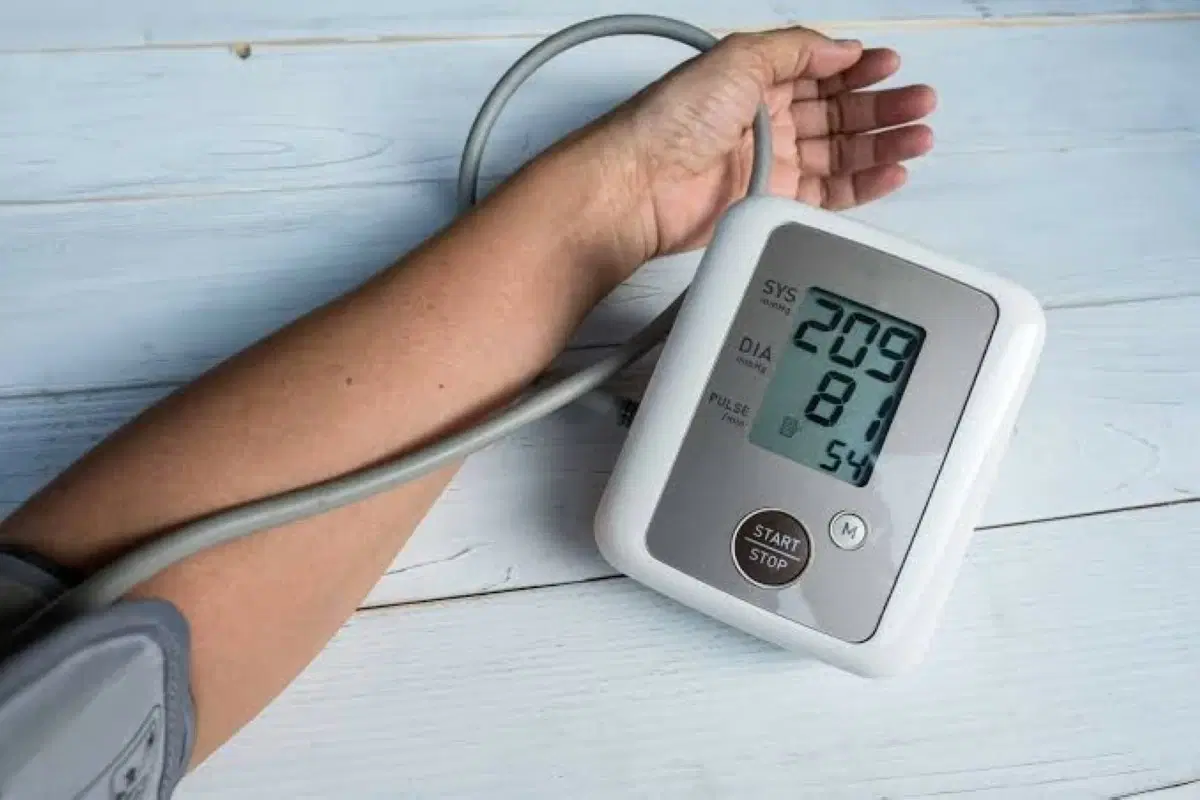
When the body loses a large amount of fluids, the circulating blood volume may decrease, which prompts the heart to increase its rate to maintain blood flow to the organs.
This may appear as palpitations or a rapid pulse, especially after heavy sweating or suffering from vomiting and diarrhea.
However, a rapid heartbeat alone does not confirm the presence of dehydration, as it may also be linked to heart rhythm disorders, anemia, or other causes. If palpitations persist or are accompanied by chest pain, shortness of breath, or fainting, urgent medical help must be sought.
There is no single amount that suits everyone, as fluid needs vary according to age, gender, physical activity level, weather, and health status.
Some general recommendations suggest that total daily water intake may be about 2.7 liters for women and 3.7 liters for adult men, provided that these amounts include the water found in food and drinks combined, not just the water we drink alone. Needs may increase in hot weather or during exercise and heavy sweating.
Practical ways to monitor hydration include paying attention to thirst and urine color, drinking fluids regularly throughout the day, and increasing the amount when more is lost. As for people who have heart or kidney diseases or are following special medical instructions regarding fluids, they must adhere to the doctor's directions.
Most importantly, deal with your body's signals without exaggeration or neglect; thirst and dark urine may alert you to your need for water, but severe or persistent symptoms should not be interpreted as dehydration alone.