According to Health magazine, drinking water can be part of an integrated weight-loss strategy, alongside following a balanced diet, engaging in regular physical activity, and getting enough sleep.
Reducing calorie intake
Follow Al Rai

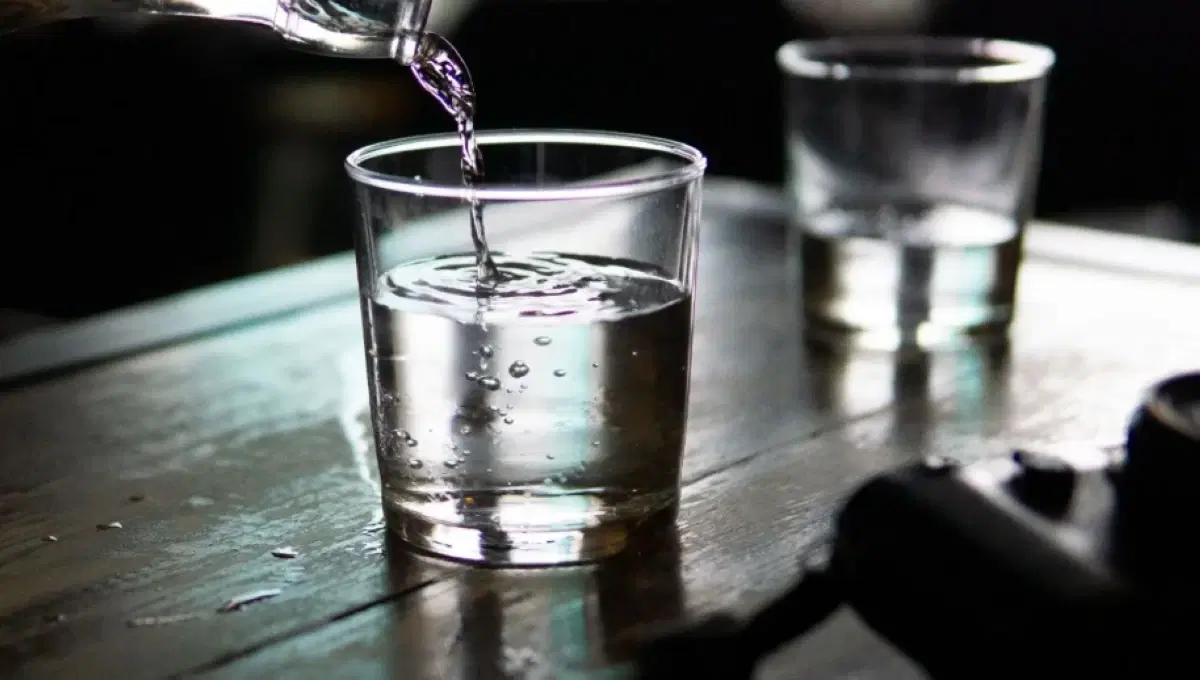
According to Health magazine, drinking water can be part of an integrated weight-loss strategy, alongside following a balanced diet, engaging in regular physical activity, and getting enough sleep.
Reducing calorie intake
Replacing sodas and sweetened juices with water is one of the simplest ways to cut daily calories, especially for people who consume these beverages frequently. Water contains zero calories, making it a suitable choice for keeping the body hydrated without adding calories to the diet.
Enhancing the feeling of fullness
Drinking a glass of water before meals may help some people feel full, contributing to reduced food intake and better portion control. However, this response varies from person to person, and drinking water alone does not guarantee appetite suppression.
Supporting metabolism
Water plays a vital role in many bodily functions, and drinking it may lead to a temporary increase in energy expenditure. However, this effect is limited, and one should not rely on it alone to achieve noticeable weight loss.
Consuming more water-rich foods
Including fresh fruits and vegetables in the diet helps increase the body's fluid intake while providing essential fiber, vitamins, and minerals. Fiber-rich foods also contribute to promoting satiety and supporting a balanced diet.
Despite the importance of water for health, increasing its intake does not guarantee weight loss on its own. Weight loss fundamentally relies on achieving a proper balance between the calories the body consumes and those it burns.
To achieve sustainable results, it is recommended to combine balanced nutrition, regular physical activity, adequate sleep, and stress management, while ensuring you drink an appropriate amount of water daily.
A set of simple steps can be followed to help drink water regularly throughout the day:
The body's water needs vary according to the level of physical activity, weather, and health condition. Therefore, it is preferable to take individual needs into account and distribute water drinking throughout the day, while avoiding consuming excessive amounts in short periods.
The body's water needs vary depending on the level of physical activity, weather, and health status, so it is preferable to consider individual needs and distribute water drinking throughout the day, while avoiding consuming excessive amounts in short periods.
Know more about this story?Send us a tip
Ask about this report — answers stay grounded in its text.