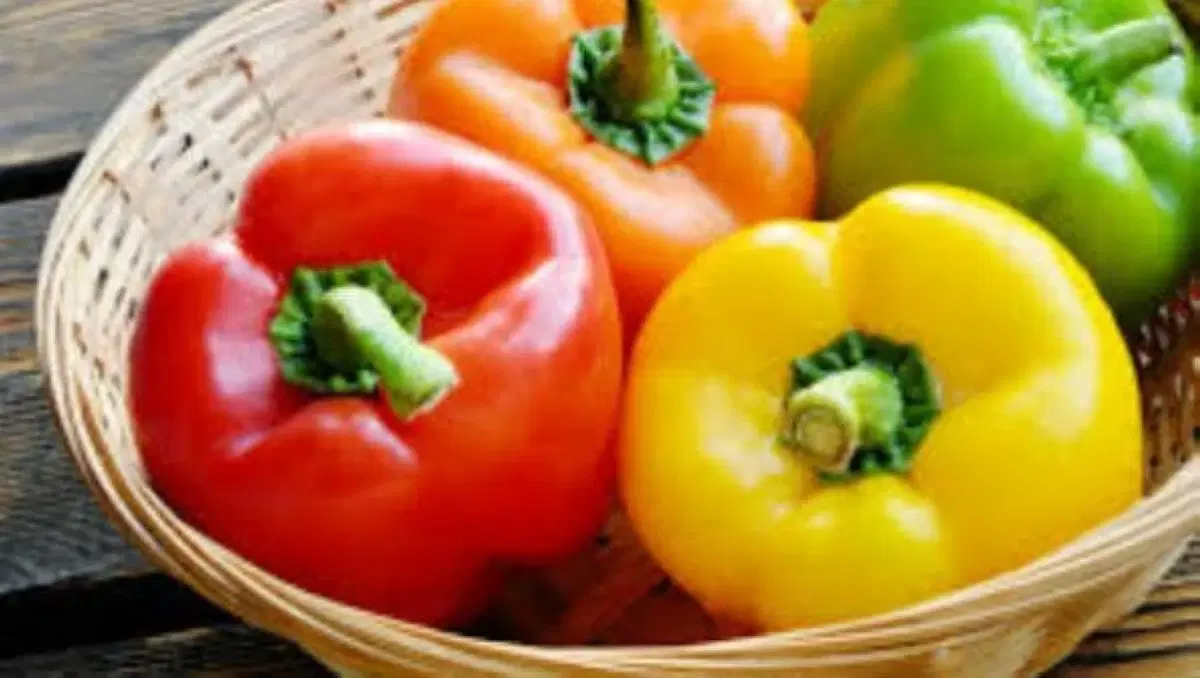
Red and yellow peppers.. nutritional differences that may surprise you
Amman3 min read
Share
Bell peppers are vegetables rich in vitamins and antioxidants, but does the red color outperform the yellow one health-wise? Despite their great similarity, there are slight nutritional differences that might make one better in certain aspects.
The colors of bell peppers change according to the variety and stage of ripeness, as they can transition from green to yellow, orange, or red, with changes in the levels of certain nutrients and plant compounds.
According to the "Verywell Health" website, red peppers are slightly ahead in some nutritional indicators, especially their vitamin C and fiber content, while yellow peppers are distinguished by other antioxidant compounds.
Every 100 grams of red pepper provides about 142 milligrams of vitamin C, compared to nearly 139 milligrams in the same amount of yellow pepper, according to the figures in the report.
This vitamin helps support the immune system and the formation of collagen, which is essential for skin and tissue health, and it also enhances the absorption of iron from plant sources.
Despite the slight advantage of red peppers, both types are considered an excellent source of this vitamin, making both a suitable choice within a balanced diet.
The differences between red and yellow peppers are not limited to vitamins, but also include the plant compounds that give them their colors and nutritional properties.
It should be noted that the presence of antioxidants in food does not necessarily mean that consuming it prevents or treats cancer; these potential benefits need to be evaluated according to available scientific evidence.
If the goal is to increase vitamin C intake, red peppers offer a limited advantage. However, the nutritional differences between the two types are not significant enough to make one an absolutely superior healthy choice.
The best approach is to diversify between the colors of bell peppers and other vegetables to obtain a variety of vitamins, minerals, and plant compounds.
Conclusion: Red peppers are slightly ahead in some nutrients, while yellow ones provide a different composition of antioxidants. Both are healthy choices, and the choice between them depends on taste, dietary diversity, and individual needs, not on color alone.