Mazar Al-Shamali District is classified as one of the districts in Irbid Governorate and the Kingdom that experiences the most biting cold and severe weather conditions during the winter season, due to its high mountainous nature and topography covered with forests and woodlands.
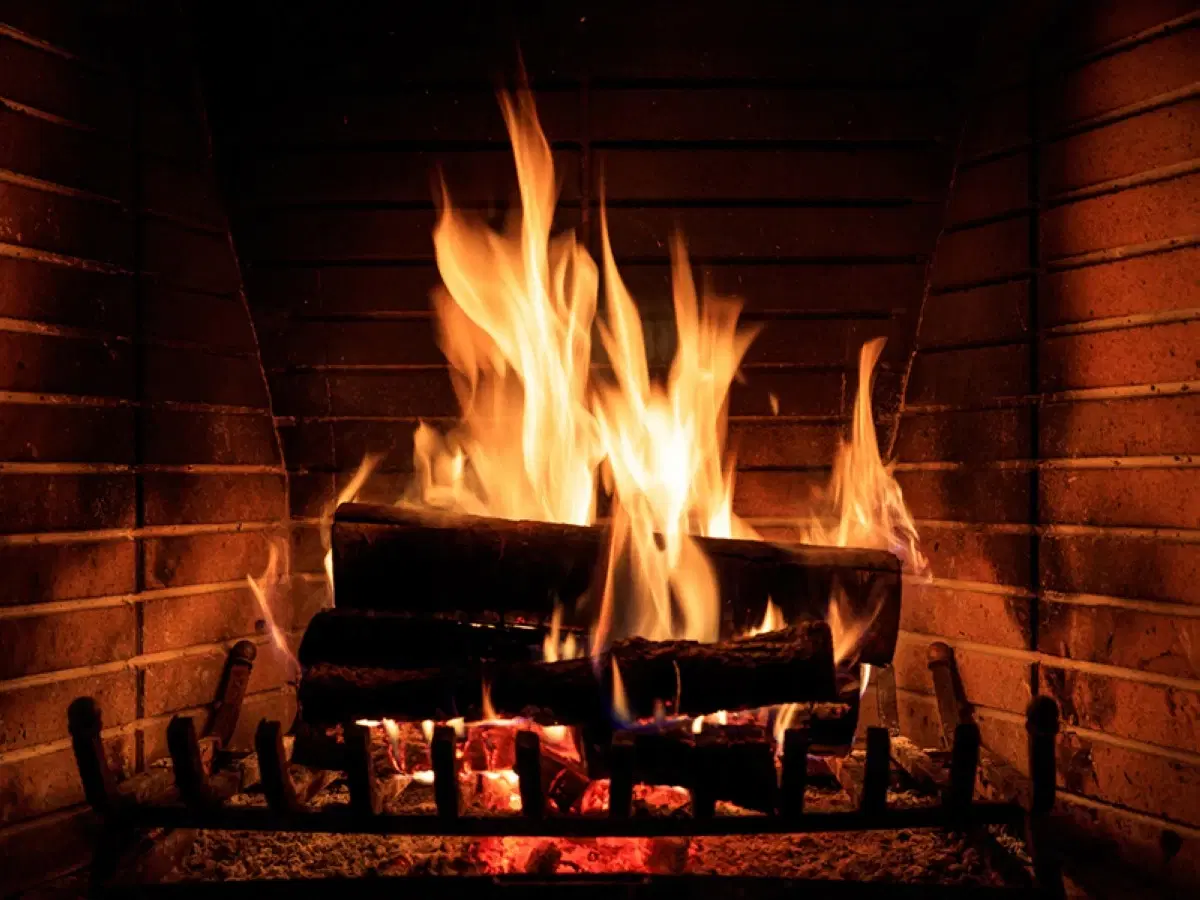
With the advent of Al-Murabba'ania (the depth of winter) and temperatures dropping to record levels, the weather turns remarkably cold, especially during the late night hours, shrouded in fog and strong winds. This drives the residents of the district's various municipalities and regions—particularly in Arhaba, Anba, Mazar, and Zoubia—to light wood-burning stoves as a primary, indispensable traditional option to heat their homes and cope with recurring frost waves.
As the winter season approaches each year, most residents of the district head out early to prepare, maintain, and service wood-burning stoves and secure their stock of wood to keep their families warm. In this regard, a number of local residents, including Mahmoud Shadooh, Ahmad Amawi, and Ibrahim Al-Jarrah, pointed out that relying on wood stoves goes beyond being an inherited custom; these stoves are the most effective and capable of radiating heat and warming large spaces and open rooms inside mountainous homes where electric or kerosene heaters fail to provide adequate warmth against the extreme cold.
They added that families have come to rely primarily on this type of heating due to its high thermal efficiency and the cozy family atmosphere it creates during long winter nights.
In contrast, regarding preventive awareness and home safety, the Director of the Mazar Al-Shamali Agriculture Directorate, Engineer Ahed Obeidat, emphasized the necessity of conducting comprehensive maintenance and thorough cleaning of stoves and all their parts before installing and operating them at the beginning of the winter season.
Engineer Obeidat stressed the importance of inspecting the metal pipes (flues/boris), verifying the safety of their connections, and ensuring they are completely free of any holes, cracks, or blockages caused by previous combustion residues, which could lead to the leakage of carbon monoxide gas or smoke into the rooms, posing a grave danger to the health and safety of the occupants.
Obeidat also cautioned that some stoves from previous winter seasons may have aged over the years and become damaged or worn out in their internal and external parts, resulting in real hazards during combustion. He stressed the need to replace old stoves that have exceeded their lifespan and become unfit for use with new ones that meet safety standards, and to completely refrain from using any stove showing signs of severe corrosion, rust, or structural damage.
Engineer Obeidat called on citizens and heads of households to follow all public safety guidelines regulating the use of wood-burning stoves, which include ventilating homes regularly and continuously, avoiding overloading stoves with excess wood, and completely extinguishing them and disposing of their ashes in safe places before sleep. He confirmed that the Directorate, in cooperation with partner entities, continues to broadcast awareness messages to ensure a safe winter free of home accidents, to protect lives and property, and to preserve public safety across all residential communities in the district.