Dr. Abeer Dababaneh presented a working paper entitled 'Women and Youth: From Numerical Participation to Influence and Leadership', in which she discussed the importance of enhancing the roles of women and youth in political life, alongside a reading of the legislative framework governing party and political work and its role in building an institutional party life.
Dr. Iman Al-Hussein addressed the empowerment axis and the field challenges facing political and community participation, reviewing the most prominent social and political challenges and ways to enhance community participation and support the path of political modernization.
For her part, Dr. Dania Arabiyat discussed the axis of 'Political Parties and Political Reform in Jordan', stressing the importance of developing party work based on programs, enhancing the culture of dialogue and pluralism, in addition to the role of political parties in preparing and qualifying national leaders and competencies.
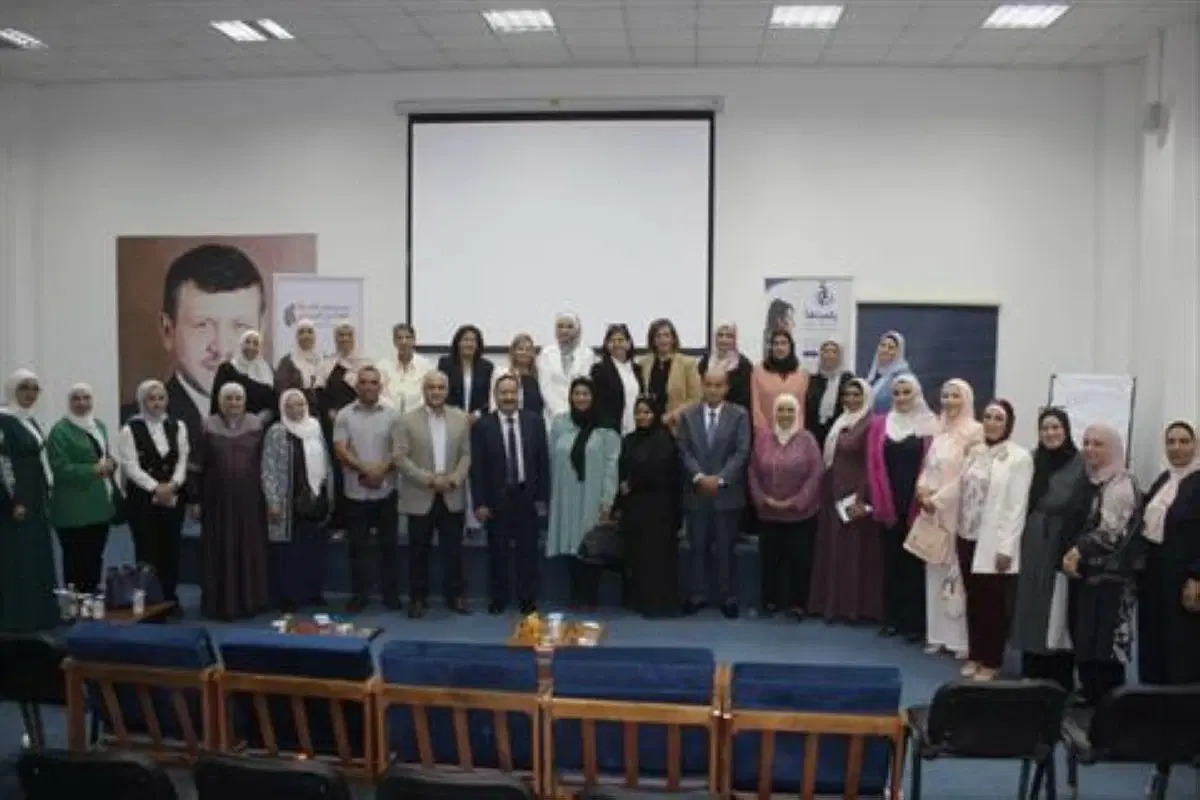
Participants confirmed that enhancing the path of political modernization requires expanding the spaces of participation for women and youth, empowering them to reach positions of influence and decision-making, alongside the entrenchment of the culture of programmatic party work based on dialogue and participation.
The session witnessed an extensive discussion and interventions from the audience that addressed the reality of party and political work, the challenges facing community participation, and ways to build bridges of trust between citizens and political parties, leading to proposals and recommendations that would contribute to supporting the path of political reform and enhancing active participation in public life.