Abu Hanieh: Every kilowatt we save strengthens Jordan's security and eases economic burdens
Called for energy consumption rationalization
Amman5 min read
Share
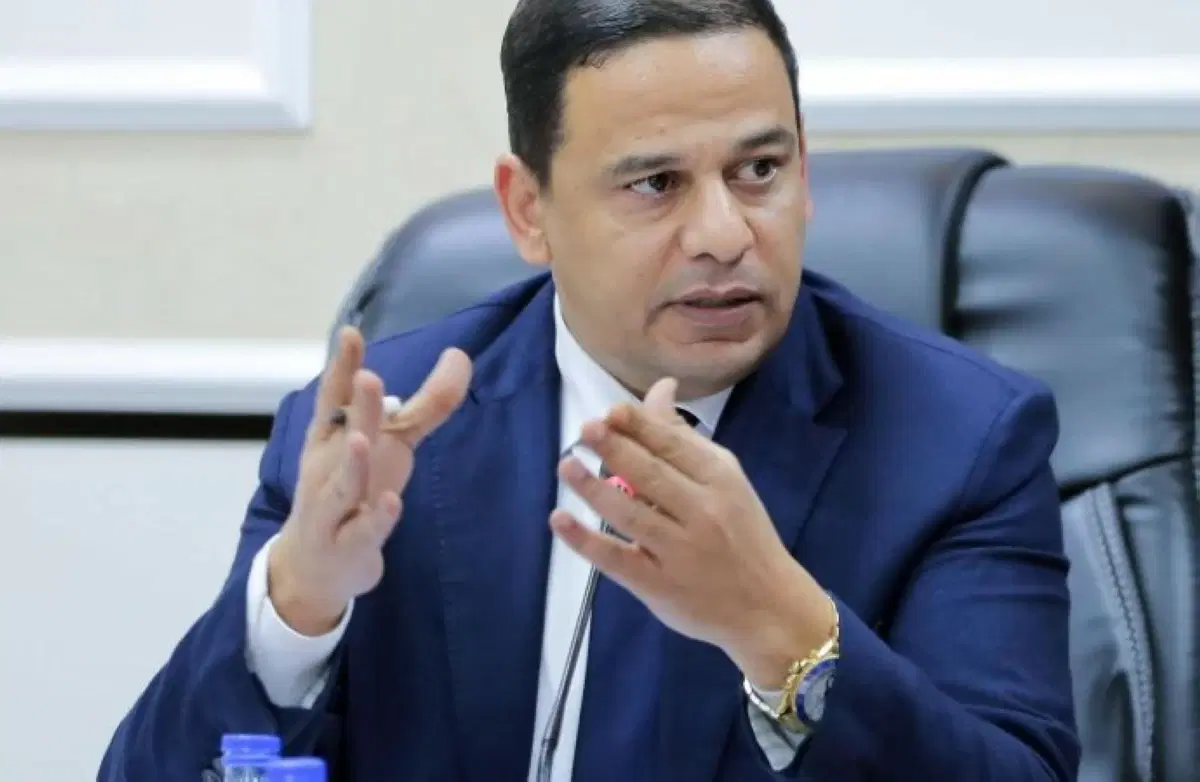
The Chairman of the Parliamentary Committee on Energy and Mineral Resources, Dr. Ayman Abu Hanieh, called on citizens, public and private institutions, and the industrial and commercial sectors to treat energy as a national and economic security issue that requires the highest levels of responsibility and awareness in consumption, in light of the rapid developments in the region and the challenges they impose on global energy markets, rising supply costs, and oil derivative prices.
He emphasized that Jordan, which faces energy challenges and import costs, cannot treat waste as a normal matter or behavior that can be overlooked, noting that every unit of energy consumed unnecessarily represents an additional cost borne by the citizen, the national economy, and the public treasury, while every kilowatt-hour saved contributes to easing pressure on the electricity system, reducing operating costs, and enhancing the Kingdom's ability to face regional and international variables.
He pointed out that the figures are clear and cannot be delayed, as about 25% of the energy bill in the Kingdom is wasted due to poor efficiency in use, noting that data indicates the household sector accounts for about 46% of total energy consumption in the Kingdom.
He explained that these indicators confirm that rationalizing household consumption is not a marginal issue, but an essential part of any national effort to reduce energy costs and improve economic efficiency.
He stressed the need to transform the estimated 25% waste rate into a serious national program to reduce unnecessary consumption and raise the efficiency of appliances, buildings, and facilities, while distinguishing between waste resulting from misuse and technical losses in networks, to ensure that each problem is addressed according to its actual causes and indicators.
He called on citizens to commit to practical practices for rationalizing consumption, starting with turning off lighting and unused appliances, unplugging chargers and devices that do not need to be running, setting air conditioning and heating to moderate temperatures, using energy-saving bulbs, performing periodic maintenance on heating and cooling devices, utilizing daylight, and avoiding running high-consumption electrical appliances simultaneously without necessity.
He also urged factory owners, commercial establishments, hotels, and government buildings to conduct periodic energy consumption audits, update high-consumption equipment, and utilize modern control systems and efficiency improvement programs.
He cited the Ministry of Energy's announcement in April 2026 that energy audit and efficiency improvement projects achieved savings reaching in some cases 20% in factories and 50% in hotels, which confirms the possibility of achieving tangible results through well-studied technical measures.
He pointed out that the responsibility does not lie with the citizen alone, but government agencies and relevant institutions bear a double responsibility in reducing the consumption of public buildings and facilities, addressing technical and commercial losses in electricity networks, developing load management systems, expanding energy efficiency programs, and providing incentives that encourage families and establishments to use energy-saving appliances and renewable energy wherever it is economically feasible.
He affirmed that the Parliamentary Committee on Energy and Mineral Resources will continue its oversight role in following up on policies for rationalizing consumption, raising energy efficiency, and curbing waste, and working with relevant authorities to turn recommendations into practical results that reflect on energy costs, supply sustainability, and the competitiveness of the national economy.
He clarified that energy rationalization does not mean depriving the citizen of their basic needs or burdening them with additional costs, but is based on smart consumption and obtaining the same service at a lower cost, noting that energy efficiency is not a temporary option imposed by regional circumstances, but a sustainable economic and national policy that should become a deeply rooted culture in homes, institutions, and factories.
He stressed that Jordan is stronger through the awareness of its people and the good management of its resources, and that national responsibility at this delicate stage requires facing rising costs by enhancing efficiency, combating waste, and protecting resources, confirming that energy security begins with sound national decision-making and is only completed through a true partnership between the state, the citizen, and the private sector.
In a related context, Abu Hanieh emphasized that Jordanians draw their determination and confidence, in light of the delicate circumstances the region is going through, from the leader of the nation, His Majesty King Abdullah II ibn Al Hussein, may God protect and preserve him, who leads Jordan with wisdom and competence and places the nation's security, stability, and the citizen's dignity above all considerations.
He added that Jordan will remain, under its Hashemite leadership, resilient to challenges, steadfast in its positions, and strong through the cohesion of its leadership, people, army, and security services, noting that love for Jordan is not measured by words alone, but is translated into positions, responsibilities, and daily behavior that protects its capabilities, preserves its resources, and enhances its immunity.
He concluded by emphasizing the importance of preserving the blessing of security and stability and standing as one behind His Majesty the King in the march of construction and steadfastness, so that Jordan remains dear, lofty, safe, and stable, and its Hashemite banner remains fluttering in the sky of glory and pride, praying to God to protect Jordan—land, leadership, and people—and to perpetuate the blessing of security and safety upon it.