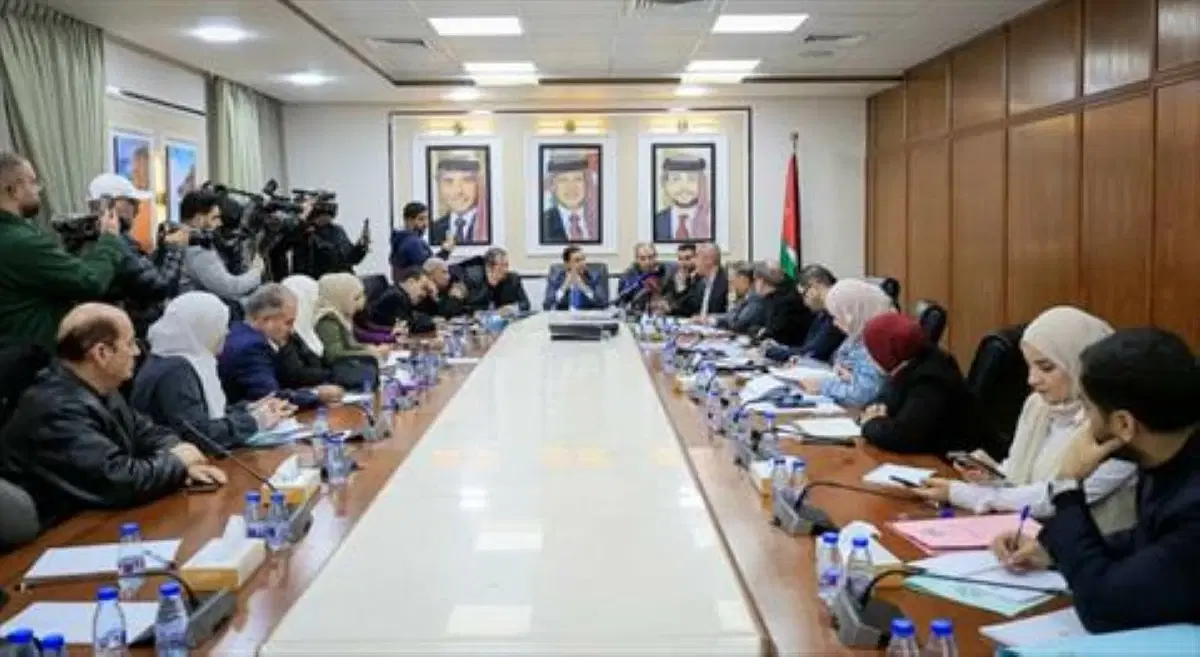
Abu Hanieh: Energy efficiency is an economic necessity to enhance energy security and reduce costs in Jordan
"Parliamentary Energy Committee" to Alrai: Curbing energy waste is a national priority
Amman6 min read
Share
5 main paths for transitioning to a more energy-efficient economy
The Chairman of the Parliamentary Energy and Mineral Resources Committee, MP Dr. Ayman Abu Hanieh, emphasized that energy efficiency is no longer a technical issue limited to rationalizing electricity consumption and reducing bill values, but has become an economic and sovereign necessity linked to energy security, resource sustainability, enhancing the competitiveness of national industry, and improving the standard of living for citizens.
In an interview with (Alrai), Abu Hanieh said that the Kingdom's heavy reliance on imported energy sources, in light of financial and economic challenges, makes curbing energy waste a national priority, as it represents an opportunity to reduce costs, stimulate production and investment, and provide job opportunities.
He added that Jordan has achieved progress in the field of renewable energy and diversifying supply sources, but continuing this progress requires enhancing consumption efficiency in buildings, industrial facilities, heating, cooling, and transport sectors, in addition to improving the efficiency of electricity grids and energy demand management.
He pointed out that the National Energy Sector Strategy for the years 2025–2035 aims to achieve a cumulative saving in energy consumption of 15% compared to the 2023 baseline, and to raise the share of renewable energy to 40% of the electricity generation mix by 2035, stressing the importance of translating these goals into executive programs and performance indicators that are measurable, monitorable, and accountable.
Regarding electricity losses, Abu Hanieh explained that reducing them requires modernizing grids, addressing technical imbalances, improving measurement and collection systems, and monitoring performance, while defining the responsibilities of distribution companies and regulatory bodies according to announced indicators, noting that the national strategy aims to gradually reduce electricity losses to 8% by 2035.
He indicated that energy waste also appears in buildings that lack proper thermal insulation, low-efficiency heating and air conditioning appliances, and industrial facilities that use old equipment or lack consumption monitoring systems, stressing the need to adopt an integrated national policy to address these challenges.
Jordanian industry and opportunities for cost reduction
Abu Hanieh pointed out that the industrial sector represents a clear model for the economic return of investing in energy efficiency, noting that the results of the national report on energy auditing in industrial facilities, which was announced in February 2026, included studies of 180 industrial facilities during the period 2016–2026, and resulted in more than a thousand recommendations to improve energy efficiency.
According to the figures in the report, the potential annual financial savings amounted to about 12.5 million dinars, against total required investments of approximately 36.7 million dinars.
He confirmed that these results show the possibility of reducing part of the production costs by improving energy efficiency, which enhances the ability of Jordanian factories to compete, expand, employ, and export.
He called for expanding energy audit programs in industrial facilities, and linking their results to soft financing programs and well-thought-out incentives that help factories modernize their equipment, install smart control systems, and benefit from solar energy and storage technologies according to technical and economic feasibility.
He also stressed the importance of developing the role of the Jordan Renewable Energy and Energy Efficiency Fund (JREEEF) in financing projects and following up on their results, confirming that the success of programs is measured by the amount of energy actually saved and the value of the savings achieved, not just by the number of studies completed.
Building efficiency and protecting families
In the residential and commercial sector, Abu Hanieh emphasized the importance of improving thermal insulation and using appropriate windows and high-efficiency heating and air conditioning appliances, especially with the approach of winter and the high demand for heating, noting that these measures contribute to reducing consumption and costs in the long term.
He called for strengthening energy efficiency requirements in the design and licensing of new buildings, and expanding incentive programs to modernize existing buildings in a way that considers the financial capabilities of citizens, in addition to expanding the use of solar water heaters according to technical and economic feasibility.
He pointed out that the national strategy aims for the use of solar water heaters to reach 40% of households, 50% of hospitals, and 95% of hotels.
He stressed the need for energy efficiency programs not to become an additional burden on low-income families, but rather to include practical solutions to improve home efficiency and provide safe, lower-consumption appliances, which would reduce bill values and improve living conditions.
Demand management and reducing pressure on the grid
Abu Hanieh emphasized that energy security is not only linked to increasing generation capacities or importing additional quantities of fuel, but also includes managing demand efficiently, noting that distributing consumption over the hours of the day, developing smart meters, and applying time-of-use tariffs in a well-thought-out manner can contribute to easing pressure on the electrical system and reducing the costs of meeting demand during peak hours.
He stressed the need for these policies to consider fairness in distributing burdens and protecting low-income families, while providing the necessary information to consumers to help them improve consumption patterns without compromising their basic needs.
He added that the expansion of renewable energy should be accompanied by the development of electrical storage systems, grid management, and enhancing its ability to accommodate variable production from solar and wind energy sources.
5 paths to enhance energy efficiency
Abu Hanieh identified 5 main paths for transitioning to a more energy-efficient economy, including setting announced annual performance indicators to measure efficiency in industry, buildings, transport, public utilities, and electricity grids, and obligating public entities and major facilities to conduct periodic energy audits and develop executive plans to reduce consumption.
They also include expanding soft financing and incentives for projects that prove their ability to reduce consumption and enhance local production, developing legislation and technical standards for buildings, equipment, and electrical appliances, in addition to strengthening oversight of electricity losses, modernizing transmission and distribution networks, and developing measurement, control, and load management systems.
He confirmed that the Parliamentary Energy and Mineral Resources Committee plays a role in following up on the implementation of the national strategy, reviewing legislation regulating the sector, and holding the concerned authorities accountable for the results of programs and projects and the extent of their reflection on the cost of energy for the citizen and the productive sector.
Abu Hanieh concluded by emphasizing that Jordan possesses a real opportunity to turn energy efficiency into a national economic lever, by reducing unnecessary consumption, improving the efficiency of industry and buildings, reducing losses, and developing demand management, in a way that enhances supply security and reduces production costs and burdens on citizens, noting that the success of energy policies should be measured by tangible results, primarily reducing costs, minimizing waste, and improving service quality, confirming that Jordan's battle in the energy sector is not limited to securing supply sources, but includes the proper management of resources and maximizing the economic return from them.