Jordan enhances energy supply readiness in preparation for winter
Amman5 min read
Share
Heating efficiency and thermal insulation alleviate winter burdens on families
Preparations for the winter season in Jordan are moving towards enhancing the readiness of energy supplies and meeting families' needs for heating methods, in parallel with government measures to maintain the price of a gas cylinder at 7 dinars and kerosene at 550 fils per liter, while encouraging efficient energy use to help reduce expenses and achieve savings in consumption.
As the Jordan Petroleum Refinery Company has raised its readiness to meet expected demand during the cold months, the importance of practical solutions—from improving thermal insulation to using high-efficiency appliances—highlights how families can manage heating expenses and maintain comfort and safety.
Price stabilization and securing supplies
The official spokesperson for the Ministry of Energy and Mineral Resources, Linda Al-Naimat, confirmed that the government has kept domestic gas and kerosene prices unchanged despite global increases linked to geopolitical developments, noting the adoption of a gradual increase policy and not passing on the full extent of price hikes to consumers.
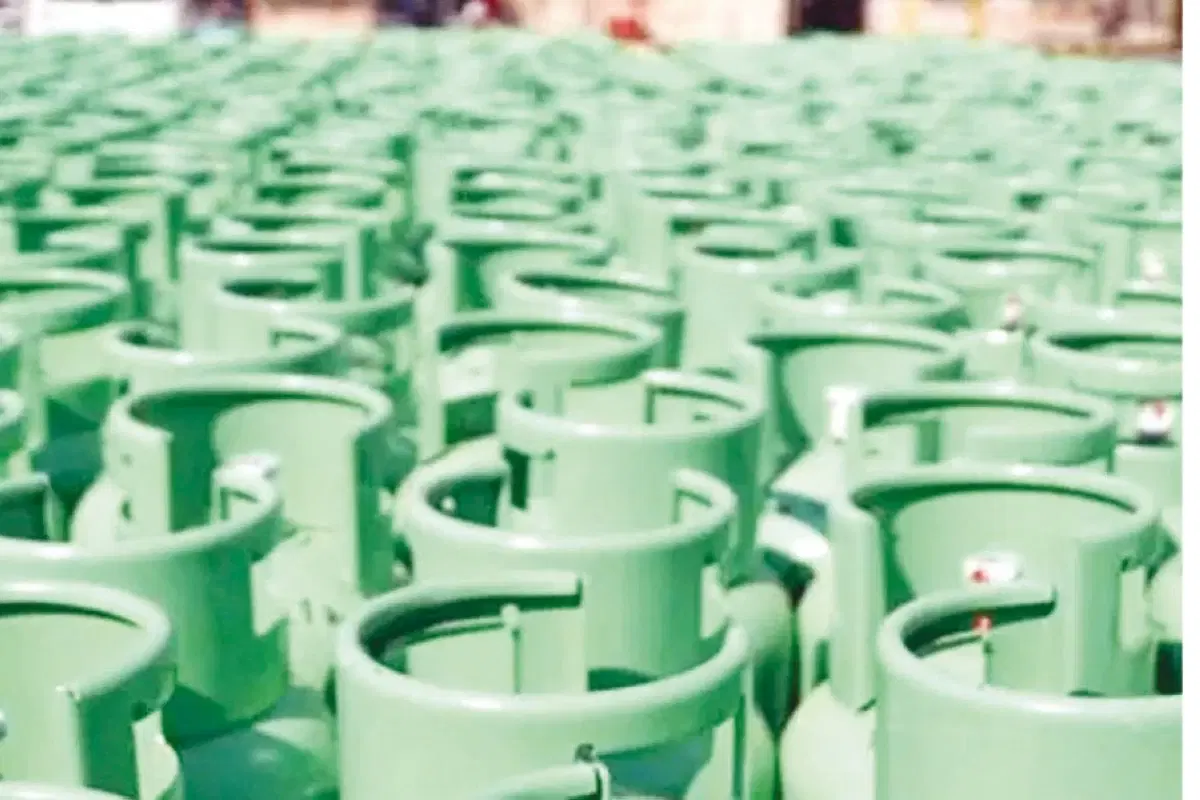
She explained that the pricing of petroleum products is based on the average global prices in reference markets during the thirty days preceding the price announcement, in accordance with the Petroleum Products Pricing Regulation No. (122) of 2019 and its amendments, in addition to import, transport, storage, and distribution costs, pointing to the difficulty of predicting future prices in light of market fluctuations. The official spokesperson for the Jordan Petroleum Refinery Company, Haider Al-Bashaireh, said that the company has raised the liquefied gas stock at the three filling stations in Amman, Zarqa, and Irbid to maximum storage capacity by transporting quantities from its warehouses in Aqaba by land, in preparation for the rise in demand during winter. He added that the company has awarded a tender to import 350,000 tons of liquefied gas, with the possibility of increasing the quantity by 25%, to cover the Kingdom's needs until the end of April 2027, a quantity sufficient to fill about 28 million cylinders. It also contracted to purchase about 150,000 empty cylinders to meet the needs of consumers, gas warehouses, and distribution agencies, and to replace cylinders that need changing.
Al-Bashaireh confirmed that the three filling stations are operating at full capacity and that filling operations can continue around the clock, including on official holidays when necessary, to ensure demand is met during weather depressions.
Heating costs on family budgets
The CEO of the Jordan Entrepreneurship Association, Dr. Bilal Mahmoud Al-Wadi, said that heating constitutes a significant item in the family budget, as its expenses are concentrated during the winter months, while the income from which these expenses are deducted is spread throughout the year.
He explained that the burden varies according to family income and the heating method; a family relying on the minimum wage of 290 dinars per month may spend between 21 and 28 dinars monthly on gas when consuming three or four cylinders, which is equivalent to about 7% to 10% of their monthly income.
He added that families using central heating with diesel may face higher costs, depending on the size of the house, the amount of consumption, the level of insulation, and operating hours, emphasizing that estimating winter needs in advance helps families organize their expenses and reduce pressure on their budgets.
Energy efficiency reduces consumption
The Ministry of Energy confirmed that energy efficiency measures in homes can achieve savings exceeding 30% of consumption, while improving thermal insulation for walls and roofs can contribute to saving about 24% of energy, highlighting the importance of reducing heat leakage inside homes.
Al-Wadi explained that choosing a heating method should not be based on fuel price alone, but on the efficiency of the device, its operating hours, and the area to be heated, in addition to the electricity tariff when using electrical appliances. Inverter air conditioners may provide an economical option for heating occupied spaces, while the cost of central heating is affected by the quality of insulation and the regulation of operation.
He called on families to tightly close windows and doors, use heating in rooms actually occupied, set temperatures at a comfortable level, and perform periodic maintenance on appliances. He also stressed the necessity of ensuring the safety of gas hoses, providing proper ventilation, and not leaving heaters on while sleeping.
Renewable energy is a long-term option
The Ministry of Energy continues to implement programs for solar water heaters and residential solar cell systems, with the aim of supporting the use of renewable energy sources and increasing consumption efficiency.
Al-Wadi believes that expanding these solutions, alongside thermal insulation, can reduce reliance on fuel and limit the impact of price fluctuations on families in the long term. He pointed out that these fields provide opportunities for Jordanian entrepreneurs to develop low-cost solutions in insulation and smart energy management, supporting innovation and creating job opportunities.
The readiness of supplies, alongside rationalizing consumption and adopting efficient energy solutions, enhances the ability of families to manage heating expenses and enjoy the winter season in comfort and safety.