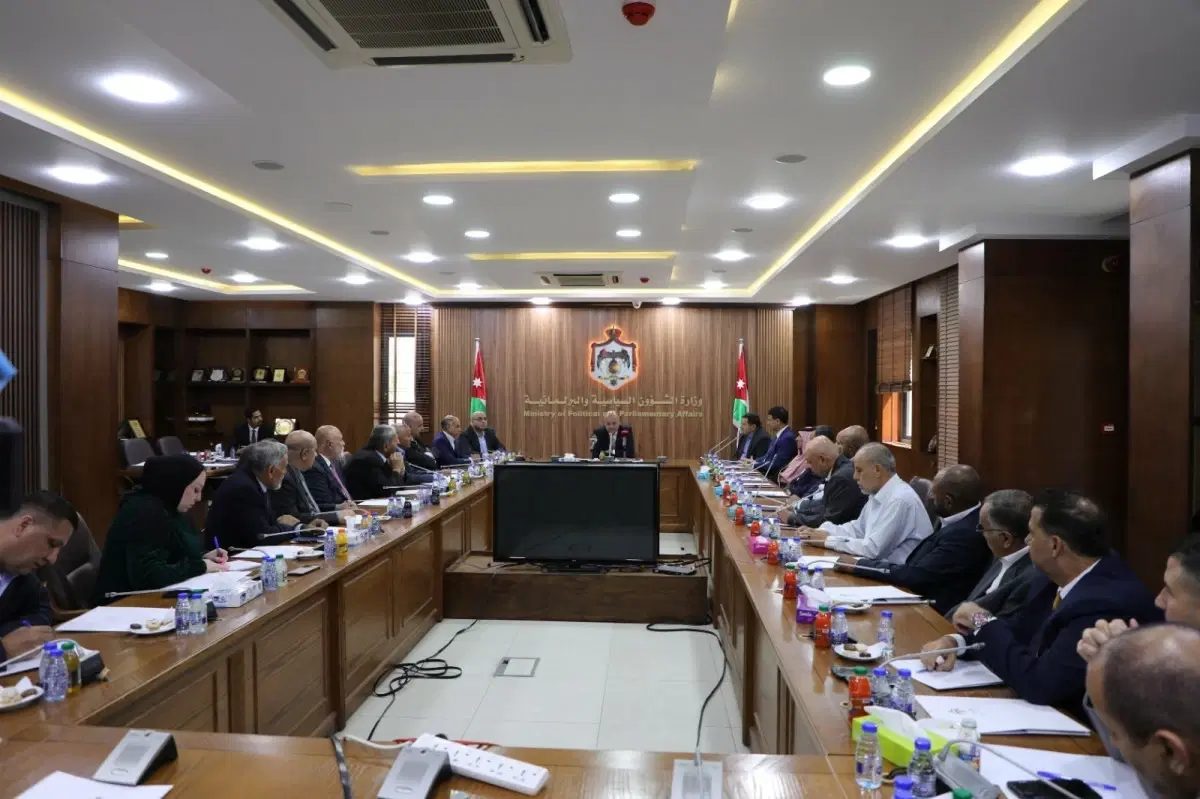
He said: The role of these institutions is not limited to voluntary and service work, but extends to enhancing awareness and political participation, and consolidating the culture of dialogue and active citizenship, and conveying the aspirations and suggestions of citizens to decision-makers.
He pointed to the importance of integrating the roles of state institutions and civil society organizations to achieve modernization paths, stressing that political modernization is a national participatory process based on expanding participation, strengthening the rule of law, and consolidating the state of institutions.
He emphasized that Jordan is moving forward with confidence and steadfastness in implementing the comprehensive modernization project, which aims to enhance the state's ability to face challenges and strengthen the state's immunity through enhancing the participation of all in the decision-making process and contributing to the management of public affairs.
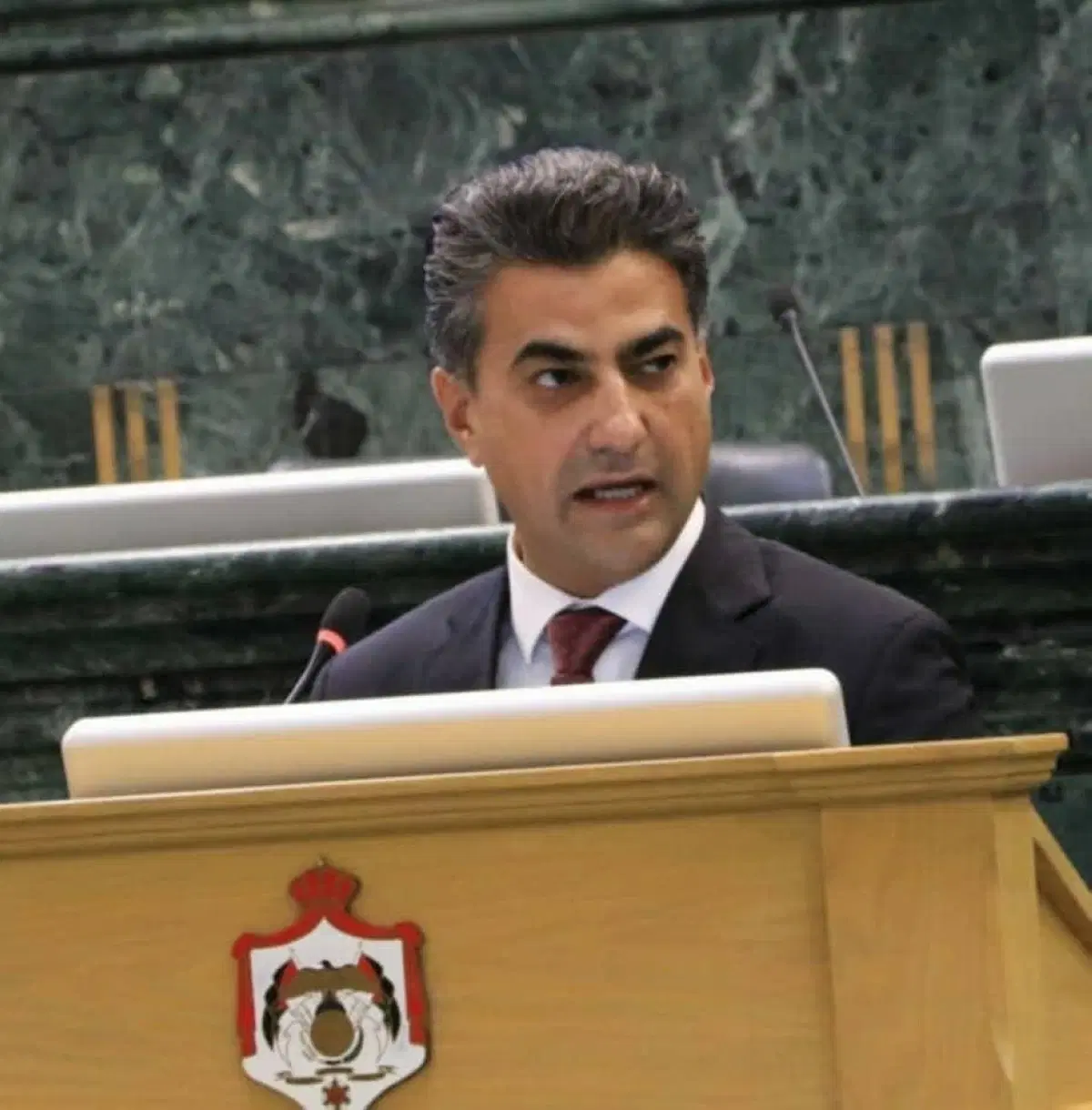
Al-Oudat stressed that real development is not built by the government alone, but by integrating the roles of the state, society, and the participation of various national forces and activities, pointing out that the partnership between state institutions and civil society organizations is necessary to achieve modernization paths and achieve their impact on the ground.
For its part, the association confirmed that the role of political parties in economic development goes beyond the electoral function, to include providing practical economic programs to address issues of unemployment, poverty, inflation, growth, and indebtedness, in addition to contributing to improving the business and investment environment through legislative proposals and enhancing public-private partnership.
It pointed to the importance of the legislative and oversight role of party deputies in supporting economic reforms and ensuring the efficiency of public spending and the transparency of performance, in addition to directing development initiatives in local communities and supporting small and medium enterprises and promising sectors.
The association emphasized that the effectiveness of parties in economic development is linked to their transformation into programmatic parties with clear and implementable visions, and their participation in forming governments and parliaments, which allows for translating their programs into sustainable economic policies, with the importance of legislative stability and policy continuity, and empowering youth and economic competencies to participate in decision-making.
It pointed out that providing economic programs based on realistic analysis and feasible solutions and alternatives enhances the role of parties in development, and links political work to economic priorities and the needs of citizens and local communities.