Awareness and cultural activities in a number of universities
Governorates10 min read
Share
Universities and educational institutions organized awareness and cultural activities today, Sunday, as part of their efforts to enhance student awareness, develop their capabilities, and support their participation in various fields.
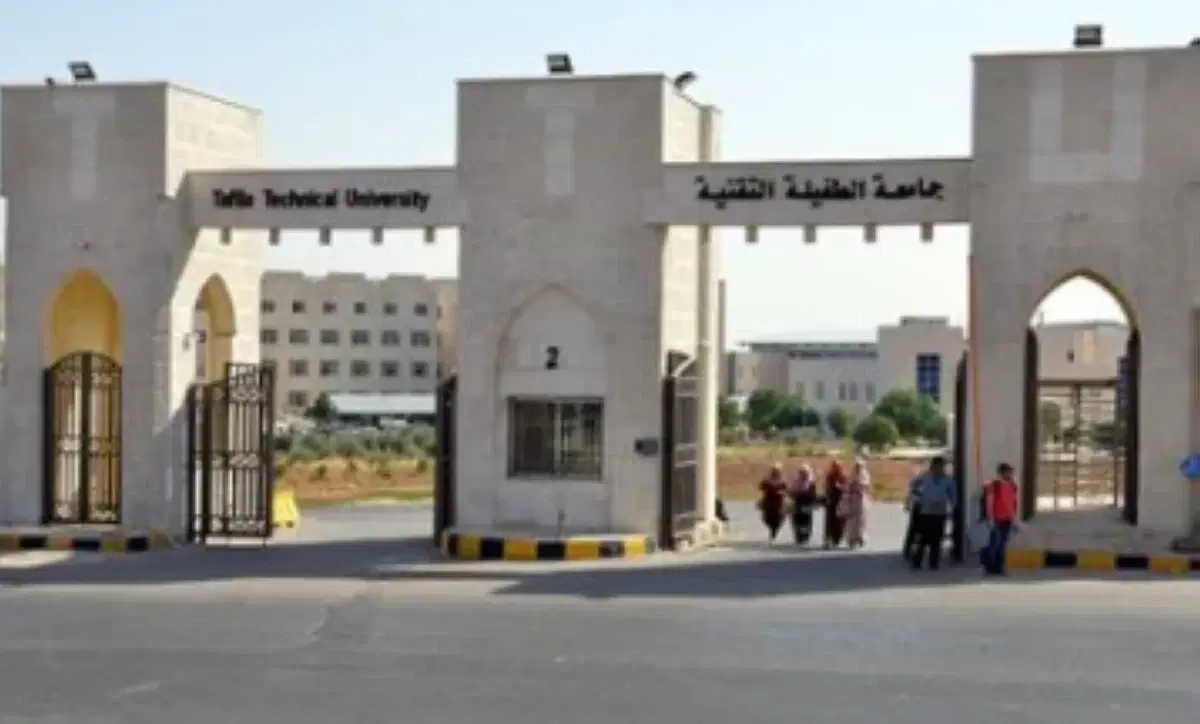
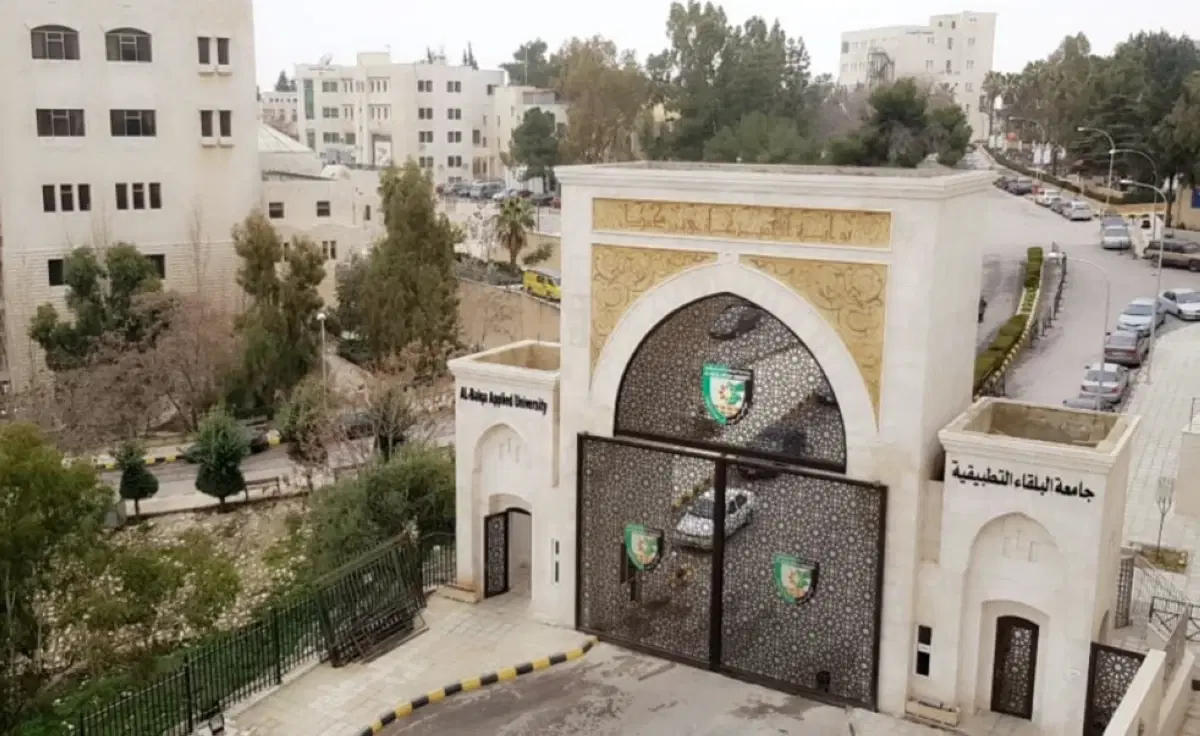
At Al-Balqa Applied University (Al-Tafilah Technical), the Deanship of Student Affairs organized a lecture titled: "New Breaths," which addressed the psychological, health, and behavioral effects of smoking, its impact on quality of life, ways to quit, and the importance of adopting healthy behaviors and promoting a culture of prevention and individual responsibility.
The lecturer, Dr. Mohammad Al-Rufu, reviewed scientific and practical methods for quitting smoking and overcoming its challenges, while the Dean of Student Affairs, Dr. Mahmoud Al-Saoud, emphasized the deanship's commitment to enhancing health and psychological awareness among students, and providing a safe university environment that encourages positive behaviors and avoids harmful practices.
Ajloun National University, under the patronage of its President, Dr. Khalid Al-Momani, hosted a meeting as part of the "Tawasol" (Connect) initiative launched by the Public Security Directorate, represented by Community Police, in cooperation with the Ayadi Tatakallam Charitable Society and the Civil Defense Directorate, to raise awareness about cybercrimes and the dangers of drugs, with the participation of representatives from security agencies and members of the teaching and administrative staff.
Al-Momani stressed the importance of these meetings in enhancing prevention and social responsibility, and protecting youth from contemporary risks, noting the importance of providing opportunities for deaf students to participate in educational activities and integrating them into the university community.
The event included two lectures; the first addressed the forms of cybercrimes, ways to prevent them, and safe engagement with digital space, while the second focused on the health and social risks of drugs and methods of prevention.
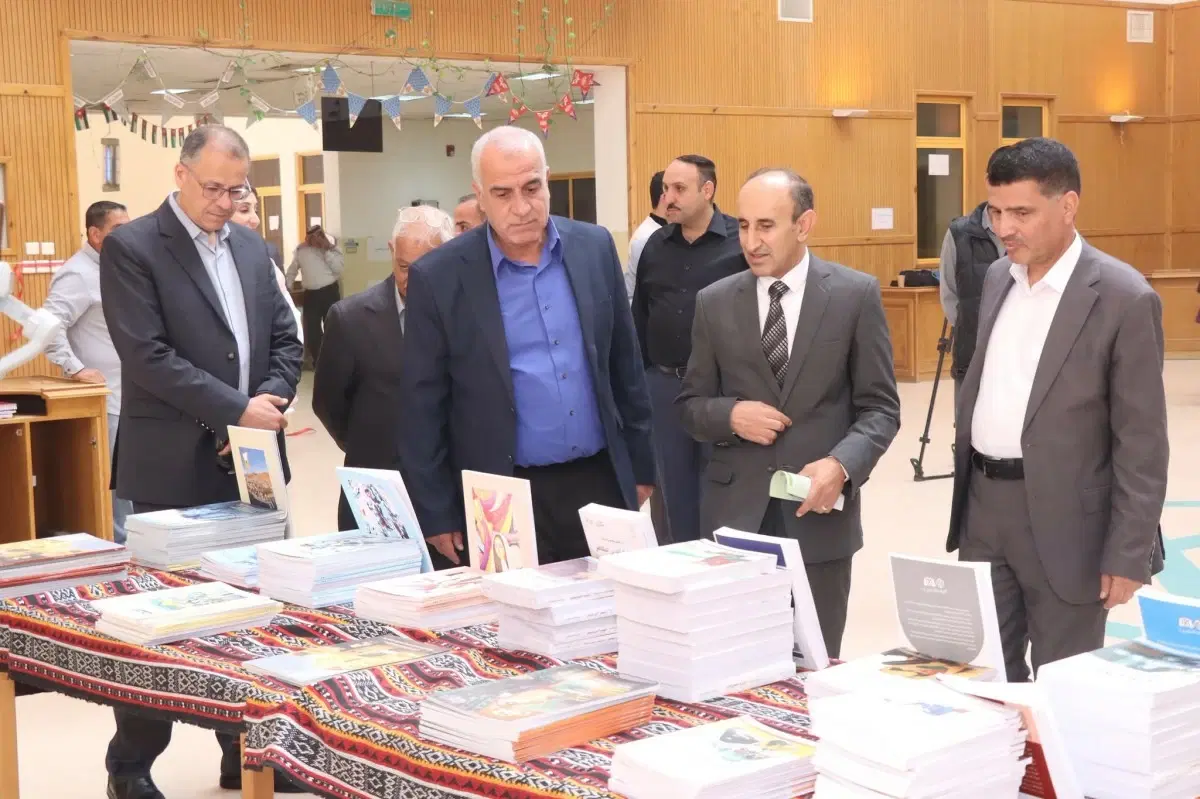
At the Hashemite University, the university president inaugurated the activities of the 20th session of the "Reading for All" festival for the year 2026, organized by the Ministry of Culture, Zarqa Culture Directorate, to support the cultural movement and promote reading and the dissemination of knowledge.
The opening was attended by Dean of Student Affairs Dr. Ayman Oweimat, Assistant to the University President Abdulrahman Abu Dalbouh, Head of the Cultural Bodies Section at the Zarqa Culture Directorate Walid Al-Harahsha, and a crowd of academics, administrators, and students.
Al-Hiary emphasized the importance of reading in building awareness, developing thought, and refining personality, noting the university's role in supporting cultural initiatives and providing an environment that encourages continuous learning and engagement with books, while appreciating the efforts of the Ministry of Culture.
In turn, Oweimat said that the festival enhances students' interest in books and their access to cognitive, literary, and scientific fields, and supports the development of their personalities and cultural awareness.
In another context, Al-Hiary began a series of meetings with the university family at the beginning of the 2026-2027 academic year, starting with a meeting with the health colleges family, which includes the faculties of Human Medicine, Dentistry, Pharmaceutical Sciences, Applied Medical Sciences, and Nursing.
He affirmed that the university works with a one-team spirit, noting the contribution of health colleges to graduating national medical competencies working inside and outside Jordan, and the high demand for university graduates according to recent statistics, thanks to their competence and the quality of education and training.
He explained that the university has expanded student training opportunities to include the Ministry of Health, the Royal Medical Services, and the private sector, and has strengthened its partnerships with health authorities, including a recent agreement to train dentistry students, which supports employment opportunities for graduates locally, regionally, and internationally.
He pointed to the continued development of medical education through simulation applications, modernization of equipment and laboratories, the inclusion of artificial intelligence in study plans, and the expansion of its applications in health education, in addition to enhancing integration between disciplines and conducting joint research that contributes to developing national health services and increasing opportunities for obtaining external support.
He added that the university has adopted micro-credentials in a number of colleges, which are short courses or mini-programs included in study plans as a substitute for a requirement, project, or practical training, and have been added to accreditation requirements due to their link to the labor market and for enhancing students' opportunities.
At Yarmouk University, the university president, Dr. Malik Al-Sharairy, inaugurated the 20th session of the Reading for All festival, organized by the Ministry of Culture as part of the "Jordanian Family Library" program, at the Al-Hussein Bin Talal Library; stemming from the university's keenness to promote and spread culture and knowledge.
The Al-Hussein Bin Talal Library is hosting the festival's activities for 5 days to provide the opportunity for the university family to benefit from various publications and view the latest titles provided by the program in various fields of knowledge and culture.
Al-Sharairy affirmed the university's keenness to promote the culture of reading among students, based on its belief in the role of culture in building the student's personality, developing their intellectual and cognitive awareness, and broadening their horizons.
He added that the university prides itself on its partnership and permanent cooperation with the Ministry of Culture in implementing purposeful cultural initiatives and programs, which provide students and community members with wider opportunities to access sources of knowledge and books, confirming that hosting these events is consistent with its educational and cultural mission and enhances its role in serving the community.
The university also concluded the "Brainalytics 2" competition for data analysis using the "Power BI" tool, which was organized by the "Taqaddum" student team at the Faculty of Information Technology and Computer Science, with the participation of students from Jordanian universities.
The teams participated in presenting analytical projects before a judging panel that included Dr. Alaeddin Al-Hammoud, Dr. Yusra Harb, Dr. Inas Al-Khashashneh, and students Zaid Al-Khair Abu Rumman and Mohammad Al-Rushdan, founders of the "Taqaddum" team.
The "Aletheia" team from Yarmouk University won first place, including Tala Samoudi, Nour Al-Sharman, and Salma Muqabala, while the "Bi2Shell" team from Philadelphia University came second, including Hossam Daoud, Yamen Ghazlan, and Abdulaziz Obaid, and the "Galacticos" team from Yarmouk University came third, including Zaid Shattat, Talib Hattahat, and Ali Nazzal.
Al-Sharairy praised the efforts of the students and organizers and the importance of technical initiatives in developing youth skills and keeping pace with labor market requirements.
The Dean of the Faculty of Information Technology and Computer Science, Dr. Moawiya Al-Shannaq, emphasized the faculty's support for activities that allow for the practical application of academic knowledge and promote innovation.
The competition was supported and sponsored by the Future Competencies Fund, Bayanati Company, and "Scope X" Company, for their contribution to qualifying youth and building a technical community based on learning and knowledge exchange.
Toledo College organized a lecture titled: "Jordanian National Identity and its Role in Confronting Extremism and Strengthening Belonging and Loyalty to the Homeland," delivered by the Chairman of the Board of Trustees of the college, Dr. Ahmed Salameh, in the presence of the Dean of the College, Dr. Issa Al-Azzam, and members of the teaching and administrative staff.
Salameh emphasized the importance of national identity in strengthening community unity and cohesion, consolidating belonging and loyalty to the homeland, rallying around the Hashemite leadership led by His Majesty King Abdullah II, and taking pride in the national constants that form the basis of Jordan's security and stability.
He pointed to the role of educational institutions in confronting extremism, instilling the values of tolerance, moderation, and acceptance of the other, and enhancing conscious thinking, citizenship, and national responsibility among students, in a way that contributes to building a generation capable of confronting destructive ideas.
Zarqa University participated in the International Scientific Symposium "Encyclopedia of Rhetorical Interpretation... Methodology, Achievement, and Research Horizons," held by the Holy Quran Academy of the Government of Sharjah in the United Arab Emirates, with a research paper that addressed the employment of generative artificial intelligence techniques in deepening the rhetorical appreciation of the proverbs and similes of the Holy Quran, and exploring horizons for utilizing digital technologies in serving Quranic studies.
The Dean of the Faculty of Sharia, Dr. Abdulrahim Al-Sharif, presented a research paper during the opening session of the symposium, within the theme "Digital Technologies and Artificial Intelligence in the Service of Rhetorical Interpretation," titled: "The Impact of Employing Generative Artificial Intelligence in Deepening the Rhetorical Appreciation of the Proverbs and Similes of the Holy Quran in Surah Al-Baqarah... An Empirical Study in Serving the Book and Application of the Encyclopedia of Rhetorical Interpretation."
The study dealt with measuring the impact of visual media generated using artificial intelligence on deepening students' appreciation for the Quranic image, through its application to a sample that included 228 male and female students from the Faculty of Sharia at Zarqa University, based on 20 citations from the proverbs and similes of Surah Al-Baqarah.
The paper concluded by proposing an applied mechanism to integrate approved visual clips into the digital version of the Encyclopedia of Rhetorical Interpretation and the "Al-Mu'een" application, which enhances the employment of modern technological media in bringing the rhetorical meanings of Quranic verses closer, and enriching the educational and research experience in the field of Quranic studies.
On the sidelines of the symposium, Al-Sharif held a meeting with the Secretary-General of the Holy Quran Academy in Sharjah, Abdullah Khalaf Al-Hosani, during which they discussed cooperation between the university and the Academy, reviewed opportunities for organizing scientific conferences and implementing joint research and creative projects, in addition to exchanging expertise in academic and Quranic fields, and exchanged commemorative shields at the end of the meeting.
In Jadara, the E-Learning Center held a workshop titled: "E-Learning Platforms and Learning Styles Adopted at Jadara University," with the aim of developing staff skills and enhancing their practical experiences.
The workshop covered an introduction to the e-learning platforms used at the university, mechanisms for dealing with them, and various forms of e-learning, in addition to the practical aspects related to providing technical support and dealing with problems that may face users of these platforms.
The director of the center, Dr. Omran Al-Jarrah, emphasized that investing in developing the skills of the center's staff is a fundamental pillar for enhancing the quality of educational and technical services, noting the importance of continuous training and keeping pace with technological developments.
For his part, the assistant director of the center, Dr. Osama Marashdeh, indicated that the workshop represents the launch of a series of training programs aimed at developing the capabilities of the center's staff, enhancing their technical and practical skills, and standardizing technical support procedures, which will positively reflect on the speed of response to the needs of students and faculty members.
Engineer Mohammed Al-Omari presented the workshop, reviewing the technical and applied aspects related to e-learning platforms, as well as the procedures and practices that contribute to enhancing their ability to handle daily work requirements.