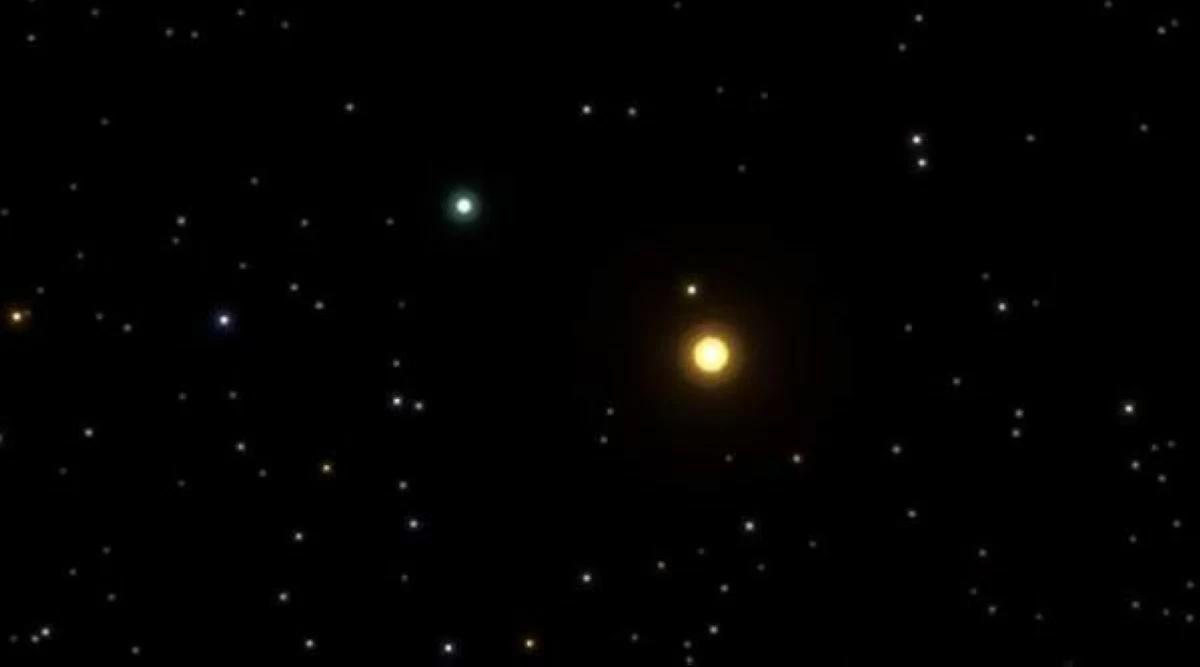
He explained that the dawn hours are the best time to observe this phenomenon from Jordan using binoculars, telescopes, and cameras, noting that the Jordanian Astronomical Society will work to observe and document the phenomenon at dawn on Saturday, Sunday, and Monday, with the aim of tracking the apparent movement of Mars among the cluster's stars and recording the stages of its approach to and departure from the Beehive.
He indicated that the Beehive Cluster is located at a distance of approximately 600 light-years from Earth, contains about a thousand stars, and is estimated to be about 600 to 700 million years old. This phenomenon offers astronomy and photography enthusiasts a unique opportunity to follow the change in Mars' position relative to distant stars over consecutive days, in an observational experience that illustrates the orbital motion of planets and its reflection on their apparent positions in the sky.
He explained that the Beehive Cluster holds a prominent place in Arab astronomical heritage; it is considered the eighth of the 28 lunar mansions and has been associated with the calculation of seasons, weather patterns, and the ripening of fruits, and has been mentioned in popular proverbs and Arabic poetry.
As for Mars, as Dr. Al-Sakji points out, it has been associated in ancient civilizations with symbols of power and war due to its distinctive red color, while the Beehive was known in Greek and Roman heritage as "The Manger" and was associated with ancient popular myths, calling for the observation of this astronomical scene that combines the precision of planetary motion with the beauty of star clusters.