Artificial intelligence reinterprets Jordan's antiquities.. 19 research papers at the "Diwan of Antiquities and Heritage" forum
Amman4 min read
Share
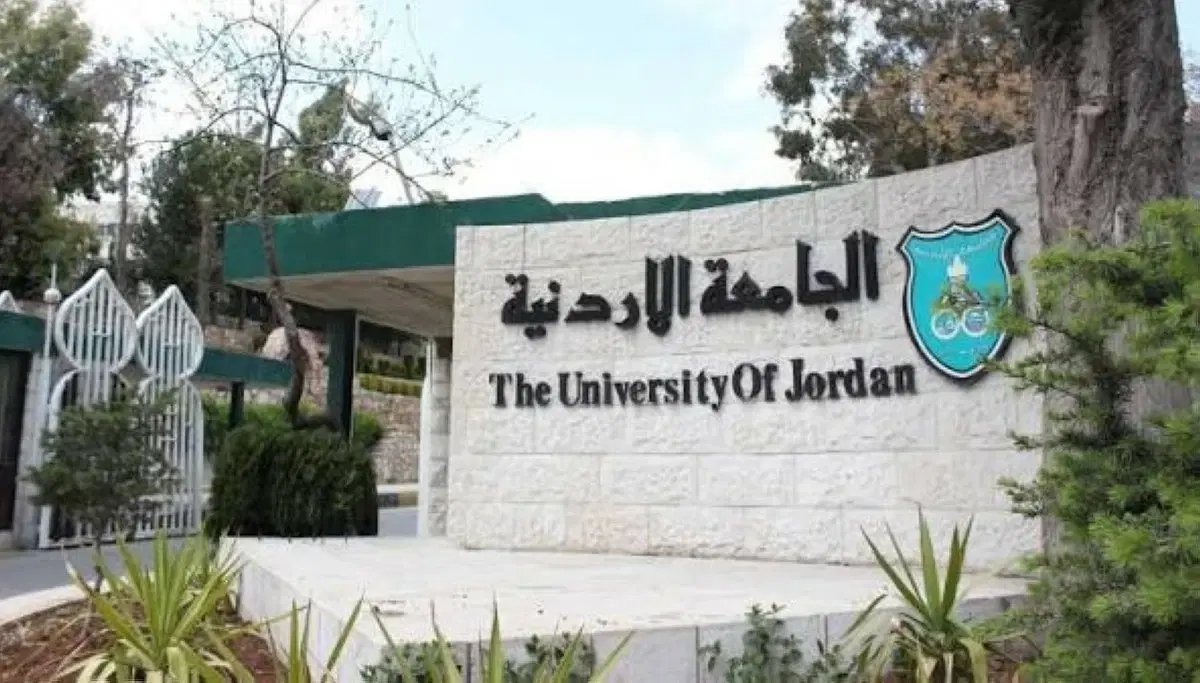
The activities of the tenth "Diwan of Antiquities and Heritage" forum, titled "Ancient Civilizations and Material Cultures in Jordan," kicked off at the University of Jordan on Tuesday, with the participation of researchers and academics from Jordan, Arab countries, and abroad, to discuss the latest archaeological studies and discoveries, and to explore the potential of modern technology in documenting, protecting, and re-presenting cultural heritage to new generations.
The forum, held under the patronage of the President of the University of Jordan, Dr. Nathir Obeidat, will continue for two days and includes 19 research papers distributed across four scientific sessions, in addition to an exhibition featuring five research posters addressing archaeological discoveries, heritage conservation and restoration, and ancient technologies, in a program that combines scientific research and technological applications in studying the past and preserving its evidence.
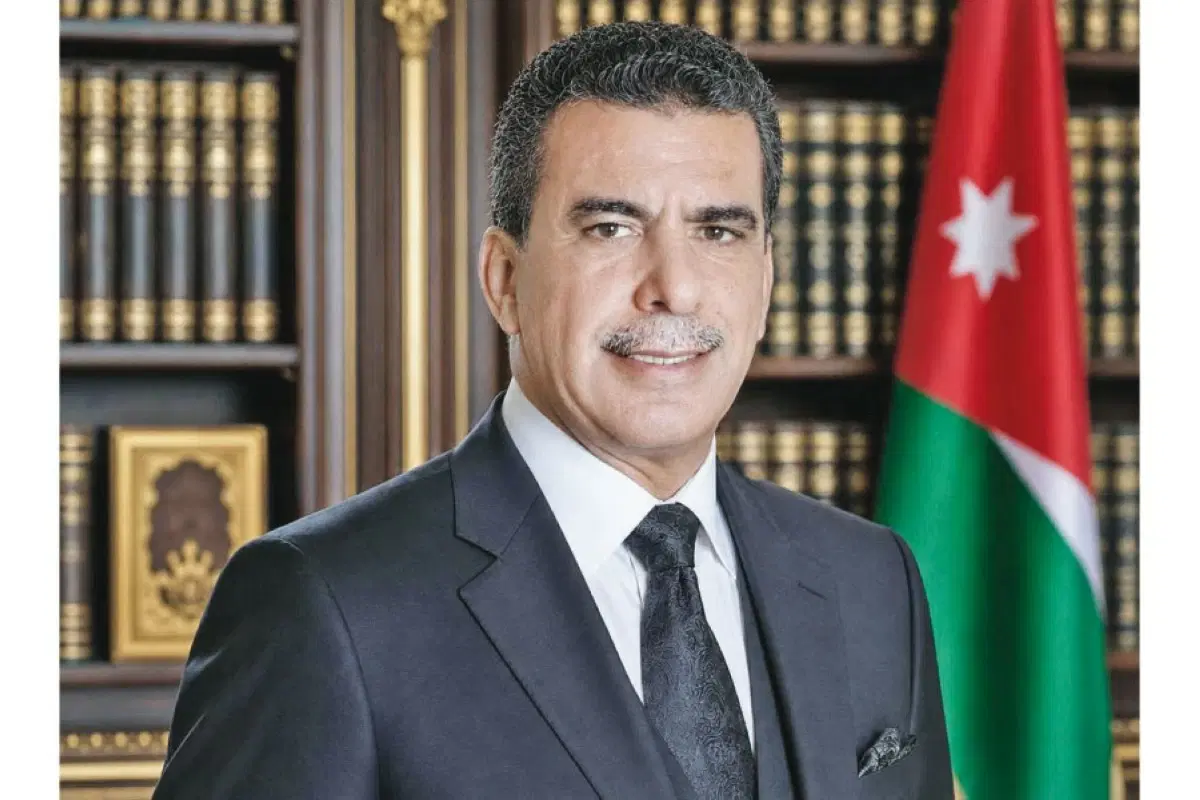
During the opening, Obeidat emphasized the cultural and historical status of Jordan as an open-air museum housing evidence of successive human civilizations, noting that Jordan's archaeological heritage represents a vast wealth of knowledge, parts of which still require further discovery, study, and documentation.
He pointed out that the rapid developments in technology, artificial intelligence, and quantum computing are opening new horizons for researchers and archaeologists to understand ancient civilizations and analyze their evidence, stressing the importance of employing these tools in advancing archaeological research and uncovering more secrets of human history.
For his part, the Dean of the Faculty of Archaeology and Tourism, Dr. Ismail Abu Amoud, said that Jordanian archaeological sites, led by Ain Ghazal, Petra, and the Umayyad palaces, embody the contributions of the civilizations that succeeded on Jordanian soil to the march of human civilization.
He stressed the importance of promoting scientific research and documenting cultural heritage, and verifying the accuracy of historical information when using artificial intelligence techniques, noting that the departments of Archaeology and Heritage Resources Management at the faculty have received international accreditation from the (FIBAA) foundation, reflecting the quality of their academic programs and their alignment with international standards.
In turn, the Director-General of the Department of Antiquities, Dr. Fadi Bala'awi, emphasized the importance of strengthening cooperation between academic and research institutions and entities concerned with heritage protection, noting that archaeological discoveries in Jawa, Wadi Faynan, and Ain Ghazal provide important evidence of the development of water harvesting techniques, mining, and ancient industries.
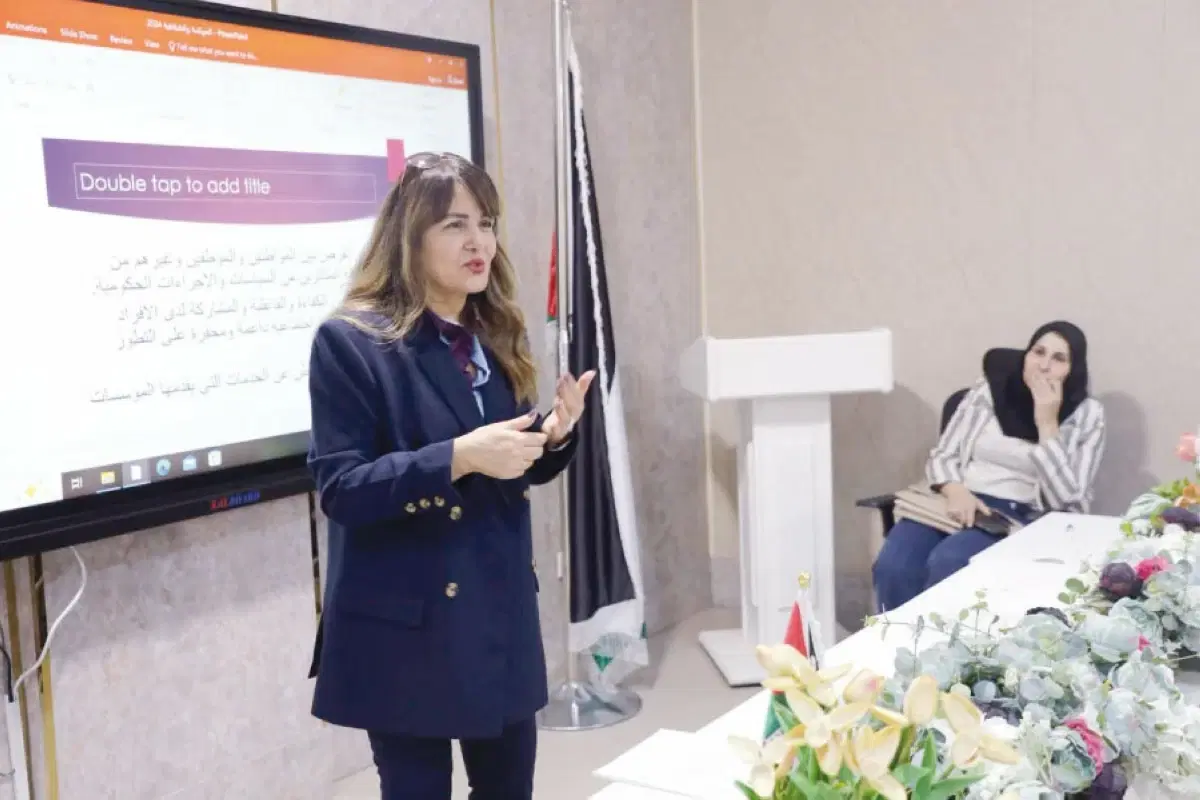
For her part, Dr. Micheline Al-Kordi, a researcher at the French Institute for the Near East and representative of the forum's organizing committee, said that the forum, which launched its initiative in 2016, constitutes a scientific platform that allows graduate students and young researchers to present their research and exchange experiences with specialists in the fields of archaeology, heritage, and architecture.
She added that the forum discusses five main themes: archaeological discoveries, heritage presentation and interpretation, trade and exchange networks, heritage conservation and restoration, and ancient technologies.
The research papers cover diverse topics, including the use of artificial intelligence and video games in introducing and digitally reconstructing heritage sites, and developing tactile models that allow visually impaired people to learn about World Heritage sites, as well as studies on Safaitic inscriptions, Ottoman documents, the Levantine Hajj route, and social life in ancient times.
Researchers from Jordanian, Arab, and foreign universities and academic institutions are participating in the forum, including Yarmouk University, the Hashemite University, Al-Balqa Applied University, the Lebanese University, University College London, and the German University of Marburg and the American Calvin University.
The University of Jordan is organizing the forum in cooperation with the French Institute for the Near East, the Council for British Research in the Levant, the German Archaeological Institute, and the American Center of Research, in partnership with the Department of Antiquities, while the program includes a scientific tour for participants in the university's Museum of Archaeology and Folklore.