Why is Trump hesitant to attack the Houthis despite US military superiority?
Agencies4 min read
Share
The challenge facing US President Donald Trump, should he decide to intervene militarily against the Houthis in Yemen, is not limited to carrying out strikes, but extends to defining their objectives and ensuring they are achieved, amid fears of a broader confrontation and the difficulty of resolving it militarily, according to military experts' assessments.
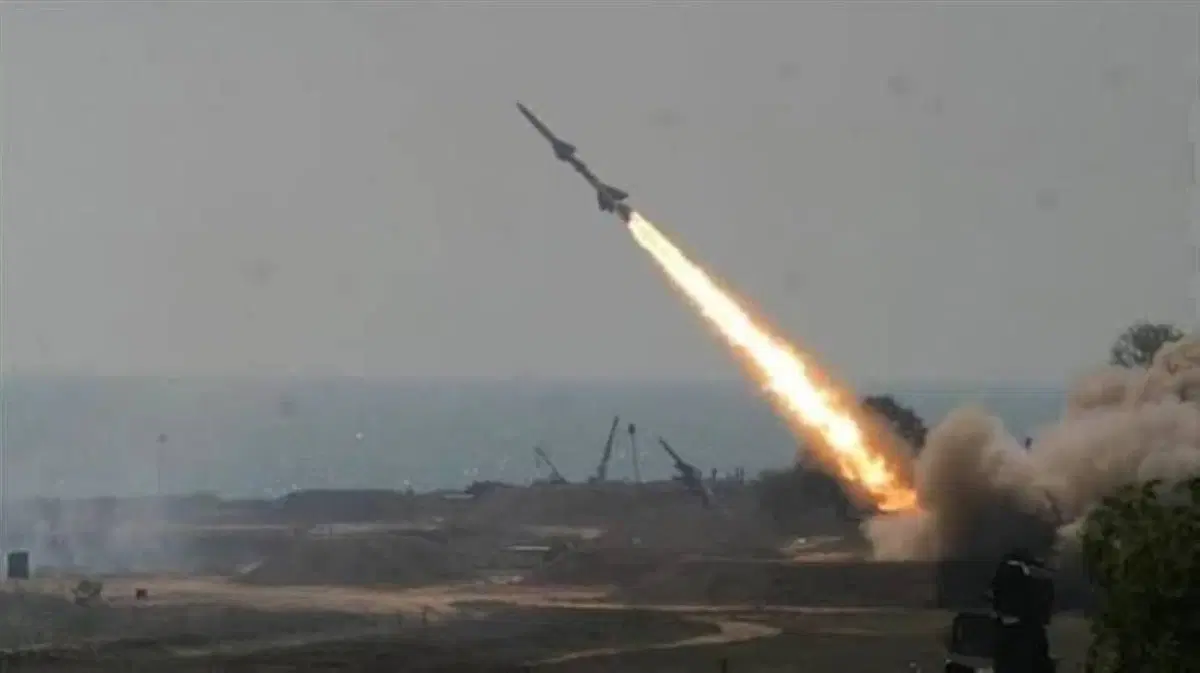
Trump's statements regarding potential intervention alongside Saudi Arabia came following the targeting of King Khalid International Airport in Riyadh with a strike attributed to the Houthis, which, according to Saudi authorities, resulted in 12 deaths and over 300 injuries. Trump has not finalized his stance on participating in the operations, limiting himself to saying that Washington will study its options.
The United States has refrained from direct participation in the combat while continuing to provide intelligence support and targeting assistance to Saudi Arabia.
According to media reports, the US position has been tied to calculations regarding the cost of opening a new front, at a time when Washington faces other military challenges in the region.
Military capabilities do not guarantee resolving the confrontation
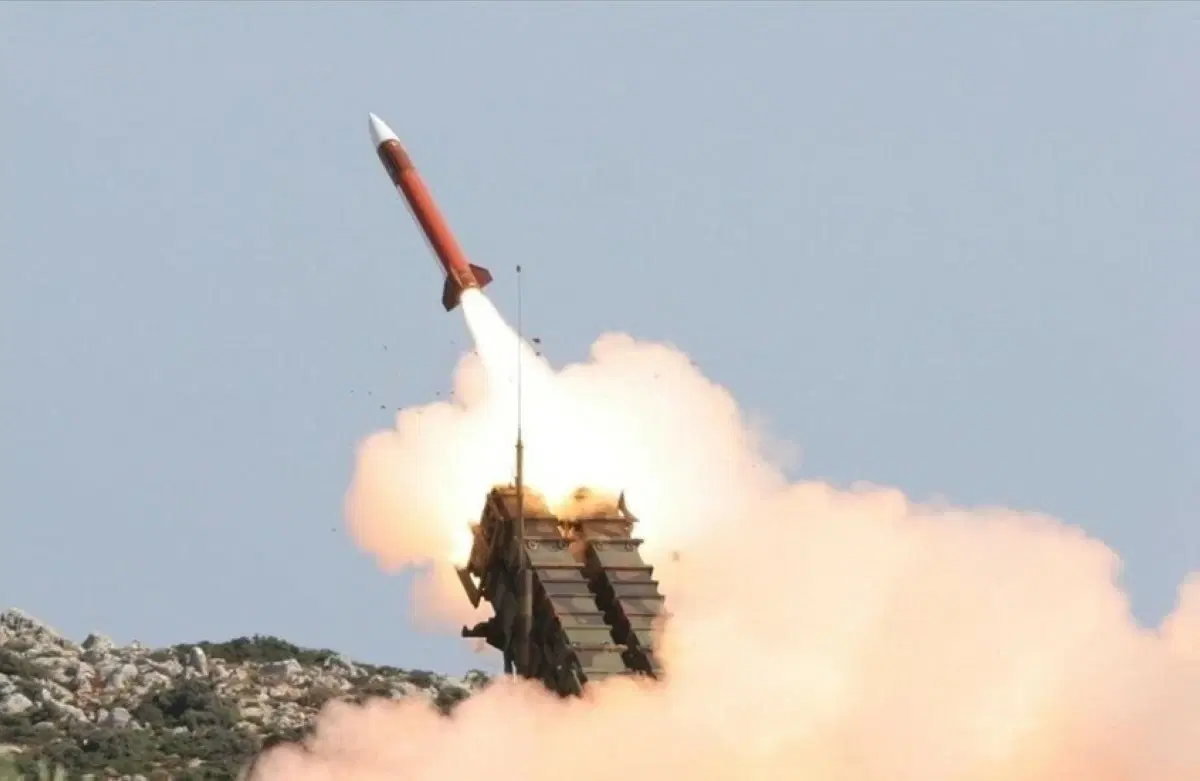
Experts believe that the United States possesses military and intelligence capabilities that allow it to carry out operations against the Houthis, noting that Yemen falls within the operational scope of the US Central Command, which, according to their estimates, possesses intelligence information and target banks related to the group, in addition to its previous experience in carrying out operations against them.
However, these capabilities do not necessarily mean the ability to end the confrontation or achieve its goals. The core dilemma lies in determining what could follow the initial strikes and how to translate military superiority into clear field and political outcomes.
These calculations are also linked to the security of navigation in the Red Sea and the Bab el-Mandeb Strait, alongside the Strait of Hormuz and the Suez Canal, given the importance of these vital corridors and the impact of any escalation in them on trade movement and energy supplies.
Experts pointed out that Saudi Arabia is a key ally of Washington and that the United States has provided military and intelligence support to the Kingdom, but this support does not necessarily mean the US administration is prepared for direct involvement in the war.
Military options and questions about the post-strike phase
According to experts, Trump asked military leadership and the US Department of Defense to prepare options for dealing with developments in Yemen and Iran, and received five military options.
Military expert Elias Hanna cited the "New York Times" as reporting that one of the scenarios put forward involves intensive bombing lasting for three consecutive days. However, he noted that the most important question relates to the next steps and the extent of US forces' ability to achieve their objectives after the strikes end.
This reflects, in his estimation, the difference between the ability to initiate a military operation and the ability to guarantee its outcomes; strikes may weaken the Houthis' military capabilities without guaranteeing an end to their threats or preventing the expansion of the confrontation.
Battles continue around Taiz and the Western Coast
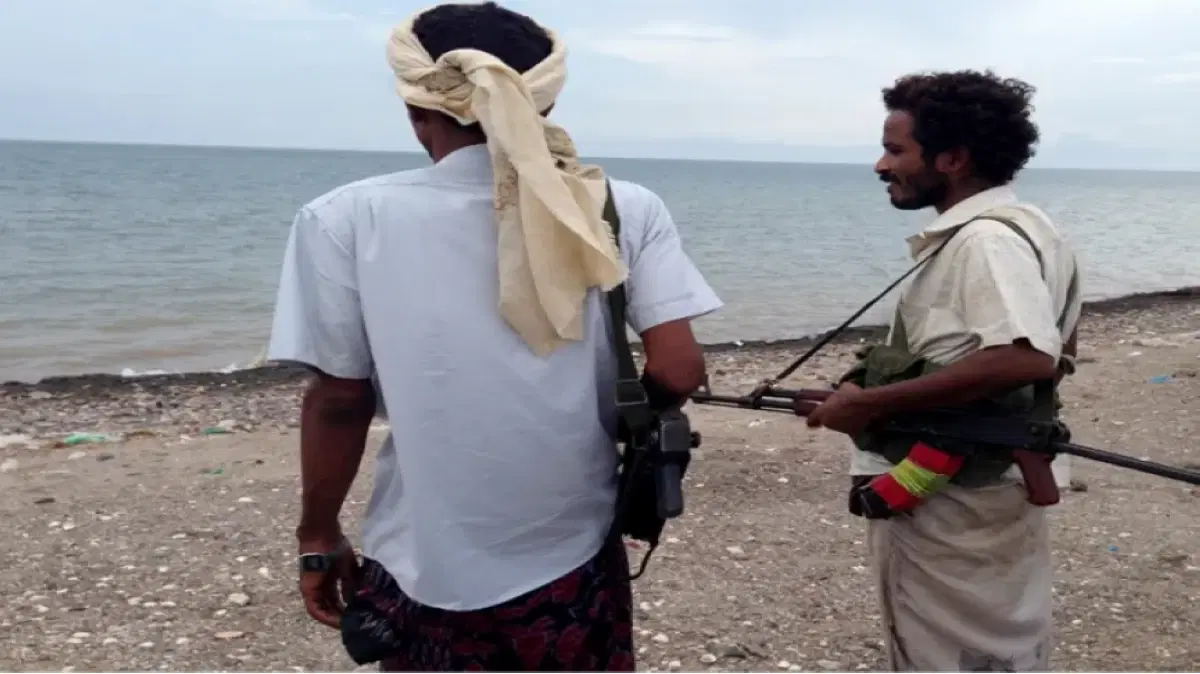
On the ground, experts said that Yemeni government forces have curtailed the Houthis' ability to move freely in the city of Taiz, without imposing full control over it.
Battles are raging in the surroundings of Taiz and the Kahboub mountains, which gain strategic importance due to their location on roads connecting areas in southwestern Yemen.
Military experts warned that Houthi control over these mountains could lead to cutting the road between Lahj and Taiz, thereby increasing pressure on government forces.
According to the source material, flashpoints of confrontation include the surroundings of Taiz and the outskirts of the western coast, alongside areas in Al-Jawf Governorate in northern Yemen.
Amid the ongoing battles, the prospects of US intervention remain tied to calculations that go beyond military superiority to include defining achievable objectives and assessing the repercussions of any escalation on regional security and international navigation.