Tehran: The conflict will be resolved neither militarily nor through sanctions
Yemeni military operation against "Houthi" strongholds
Follow Al Rai

More than 7 months since the outbreak of war
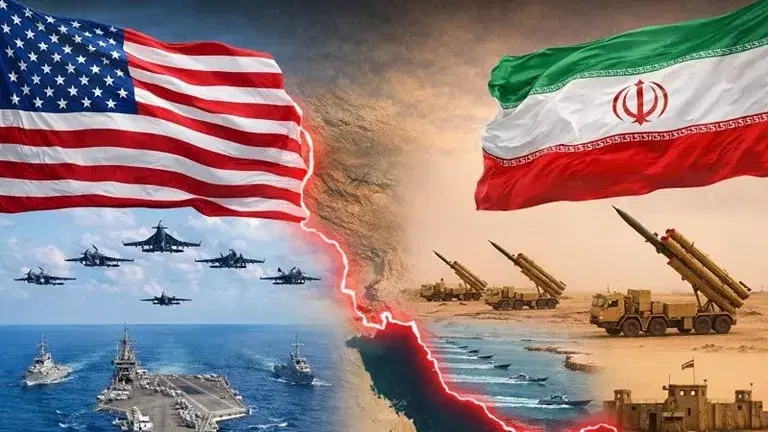
Tehran: The conflict will be resolved neither militarily nor through sanctions
Yemeni military operation against "Houthi" strongholds
More than seven months after the outbreak of the war in the Middle East, Iranian Foreign Minister Abbas Araghchi affirmed on Sunday that a military solution and sanctions will not end the conflict with Washington, at a time when talks aimed at halting hostilities have reached an impasse.
Despite the conclusion of a ceasefire agreement in April, the signing of a memorandum of understanding in June, and indirect talks between the two countries on the sidelines of the UN General Assembly in September, no progress has been made toward resuming negotiations amid an exchange of threats.
Araghchi said during a meeting with foreign ambassadors: "There is no military solution and there is no solution based on new sanctions."
He added in a speech broadcast by state television: "If our enemies choose the path of military confrontation once again, our response will be stronger than before (...) But if they prefer the diplomatic path, we remain ready to reach an honorable and fair solution."
He stressed that "only negotiations based on justice and fairness will lead to a solution."
Iran had proposed a plan calling for a cessation of hostilities in the Middle East, demanding the release of $12 billion in frozen Iranian assets, as well as the lifting of sanctions on Iranian oil and an end to the US blockade on its ports. On the seventh day of the truce, Tehran would reopen the Strait of Hormuz.
The waterway, vital for global oil supplies, is central to the conflict between the United States and Iran, which began with a US-Israeli attack on the Islamic Republic on February 28.
US President Donald Trump rejected the Iranian proposal, but left the door open to continuing indirect negotiations, without ruling out the possibility of resuming strikes.
Despite ships being repeatedly targeted in the Strait of Hormuz, recent weeks have seen a lull on the ground.
The United States has not launched strikes on Iran since September 1.
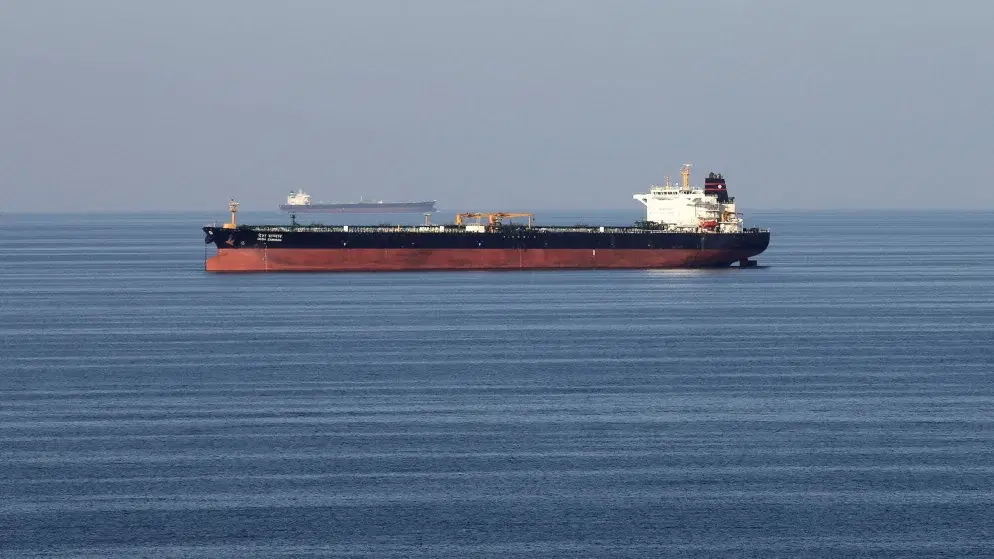
The United Kingdom Maritime Trade Operations reported Sunday that a tanker was hit by an "unknown projectile" in the strait.
Before the war, one-fifth of the world's oil and liquefied natural gas supplies passed through Hormuz.
In a preliminary statement, the agency said the vessel "was struck by an unknown projectile, causing damage to the engine room."
It clarified that the crew members are safe, without providing further details, notably regarding the date of the incident, the flag the ship is flying, or whether it is an oil or liquefied natural gas tanker.
Since the outbreak of the war, the Islamic Republic has stated that it controls the strait, while Washington has imposed a naval blockade on Iranian ports in response.
Iran now demands that ships wishing to traverse the strait obtain its permission, while ships that fail to comply face the risk of attacks.
However, oil tankers have been crossing the strait in increasing numbers to exit the Gulf under US protection.
According to preliminary data from maritime traffic tracking company Kpler, the average flow of non-Iranian crude oil coming from Gulf countries and Iraq, which exited via the Strait of Hormuz, reached 13.5 million barrels per day between September 22 and 28, matching pre-war levels.
For his part, Iranian Foreign Ministry spokesman Esmaeil Baghaei said Sunday that "restoring the security of this maritime route requires concrete measures by the Americans," demanding "an end to the disruption of Iranian commercial maritime traffic and the lifting of sanctions."
In late August, Washington escalated its sanctions on Tehran as part of a campaign that US Treasury Secretary Scott Bessent said would "choke" the Islamic Republic economically.
These sanctions targeted the entire Iranian aviation sector and have led, since taking effect, to a 42 percent drop in the number of flights to and from Tehran's international airport, according to data from the Flightradar24 platform.
However, some of the most in-demand destinations remain operational, notably Turkey and China.
On another front, the head of Yemen's Presidential Leadership Council, Rashad al-Alimi, announced Sunday the launch of a new military operation to retake territory controlled by the Iran-backed Houthi rebels across the country.
Alimi, who heads the internationally recognized government, said in a televised speech: "I announce the start of military operations to retake the remaining territory of the republic and extend the state's authority and institutions across the entire national territory."
He continued that he has issued directives to "the armed forces, security, and all military formations to begin carrying out their assigned tasks, in accordance with approved plans, until the country is liberated from the grip of the Houthi militia."
For their part, the Iran-backed Houthi rebels cut a vital supply route connecting the major southwestern Yemeni city of Taiz with Aden, where the Riyadh-backed government is based, security sources and eyewitnesses told Agence France-Presse.
Taiz is considered Yemen's third-largest city by population. Government forces are holed up inside it, while the Houthis control several areas surrounding it.
A source in the Taiz police stated that "we were informed that the Al-Safiya area fell into the hands of the Houthis, the main road was cut, and they seized control of the police station" in the area.
Three government military sources and eyewitnesses said that "the Houthis managed to cut the Taiz-Aden road and impose a siege on Taiz after days of fighting."
They confirmed that the Houthis managed "to reach the Al-Simsar and Al-Safiya line, cut the road, and halt movement," while eyewitnesses reported "heavy battles" on this main line connecting the city of Taiz to the cities of Lahij and Aden.
Know more about this story?Send us a tip
Ask about this report — answers stay grounded in its text.