Iranian President: Negotiations with the United States are futile
Amman2 min read
Share
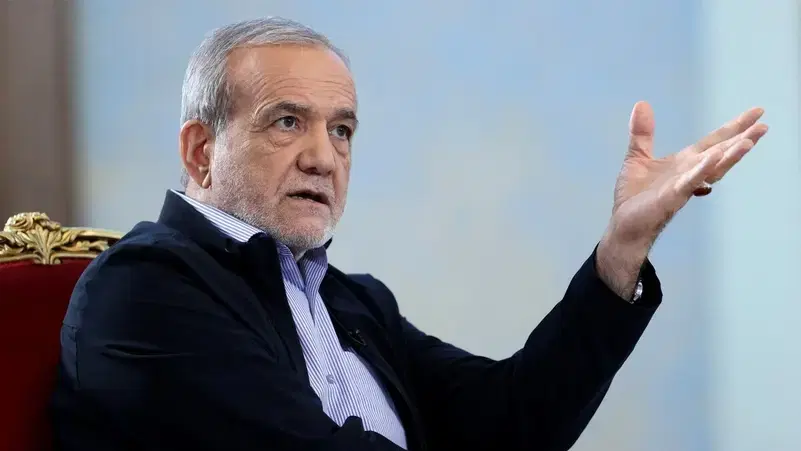
Iranian President Masoud Pezeshkian considered on Monday that negotiating with the United States is "futile," as the war in the Middle East continues for the eighth month without any prospect of a settlement despite diplomatic efforts by several parties.
Pezeshkian said, "Our problem with the United States is that every time we sit at the negotiation table, war is immediately imposed on us. So far, they have attacked us three times after the talks, which shows that they are not seeking dialogue. On the contrary, their goal is to overthrow the Islamic Republic of Iran"
During his reception of Armenian Foreign Minister Ararat Mirzoyan, as reported by the official IRNA agency, he added, "With an enemy that resorts daily to assassination, sanctions, pressure, and threats, and breaks its promises, negotiations become futile, and our nation will not accept this approach"
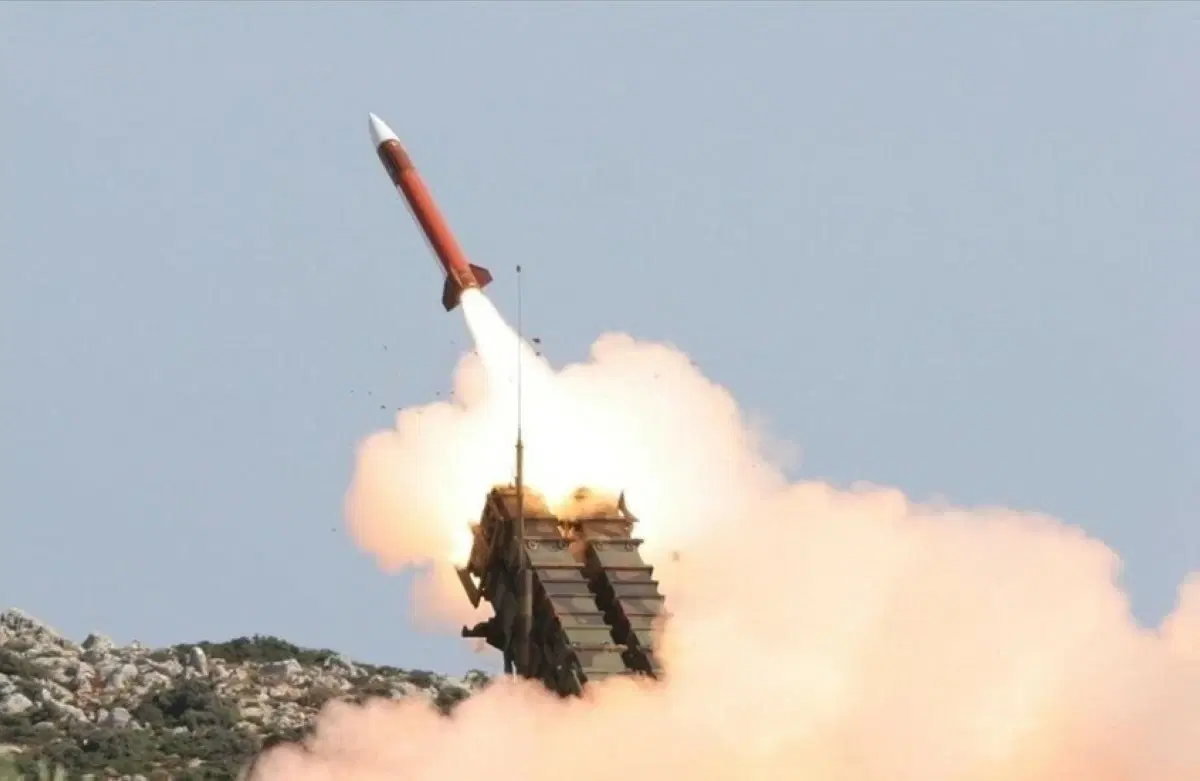
The war in the Middle East erupted with a US-Israeli attack on Iran in February, while Tehran and Washington were negotiating over Iran's nuclear program.
The two parties signed a memorandum of understanding in June, mediated by Pakistan, before it collapsed in July with the resumption of Iranian attacks on ships in the Strait of Hormuz and the United States responding with military strikes on the Islamic Republic.
Negotiations have since been at an impasse. Talks between the two parties and intermediaries on the sidelines of the UN General Assembly meetings in September did not yield a breakthrough.
The United States has not launched any strikes on Iran since September 1, but it has intensified its economic pressure and tightened sanctions on Tehran.
Iranian Foreign Minister Abbas Araqchi said on Sunday that "there is no military solution and no solution based on new sanctions"
The Strait of Hormuz has become the most contentious point between Iran and the United States. Tehran has practically closed it since the outbreak of the war, contributing to a global rise in oil prices. It insists on overseeing the navigation movement in the future, while the United States and several parties reject it.
In return, the United States imposes a blockade on Iranian ports, preventing Tehran from exporting oil, which is a major source of its revenue.
A tanker was attacked while attempting to cross the strait on Sunday, while another turned back on Monday after receiving a warning from Iranian forces, according to the UK Maritime Trade Operations Authority (UKMTO).