Trump meets Gulf leaders to discuss war with Iran and post-war
Agencies3 min read
Share
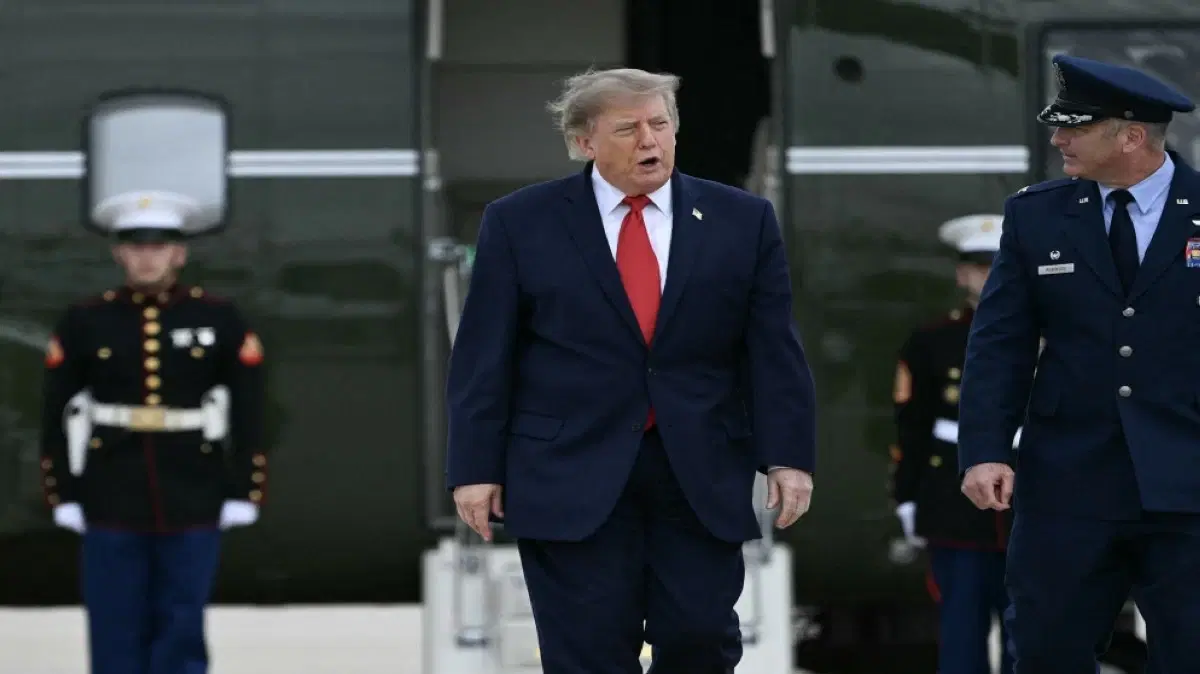
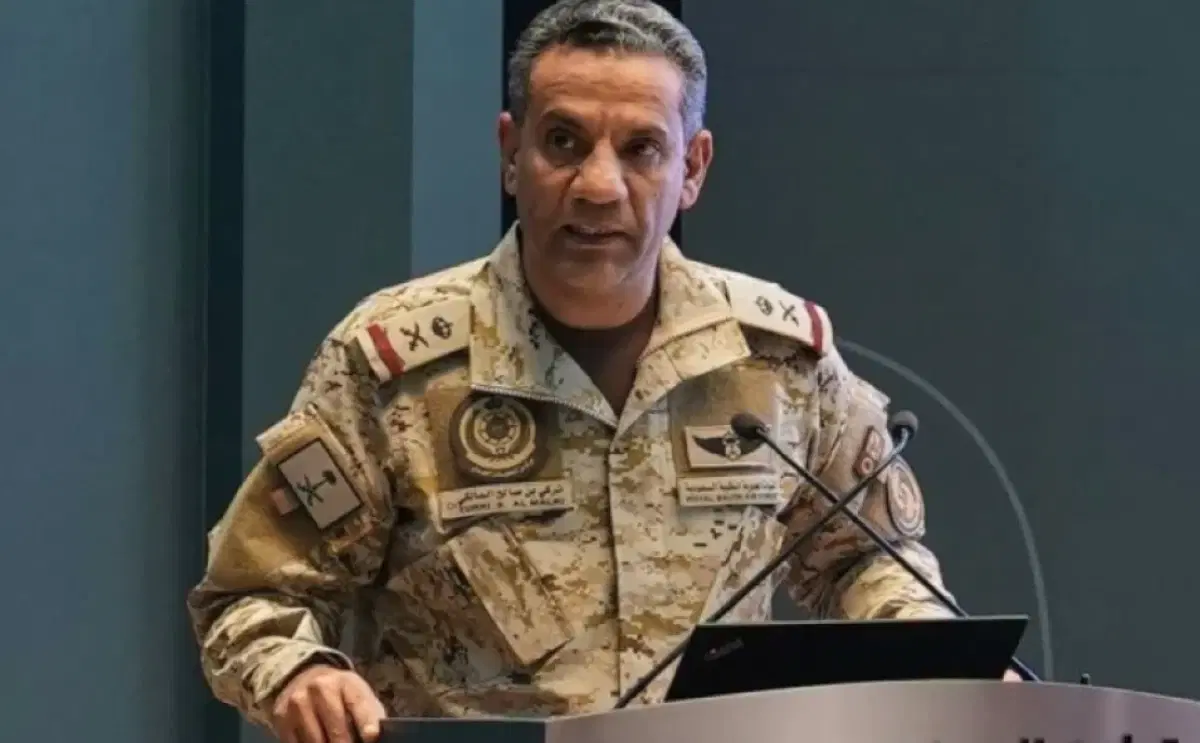
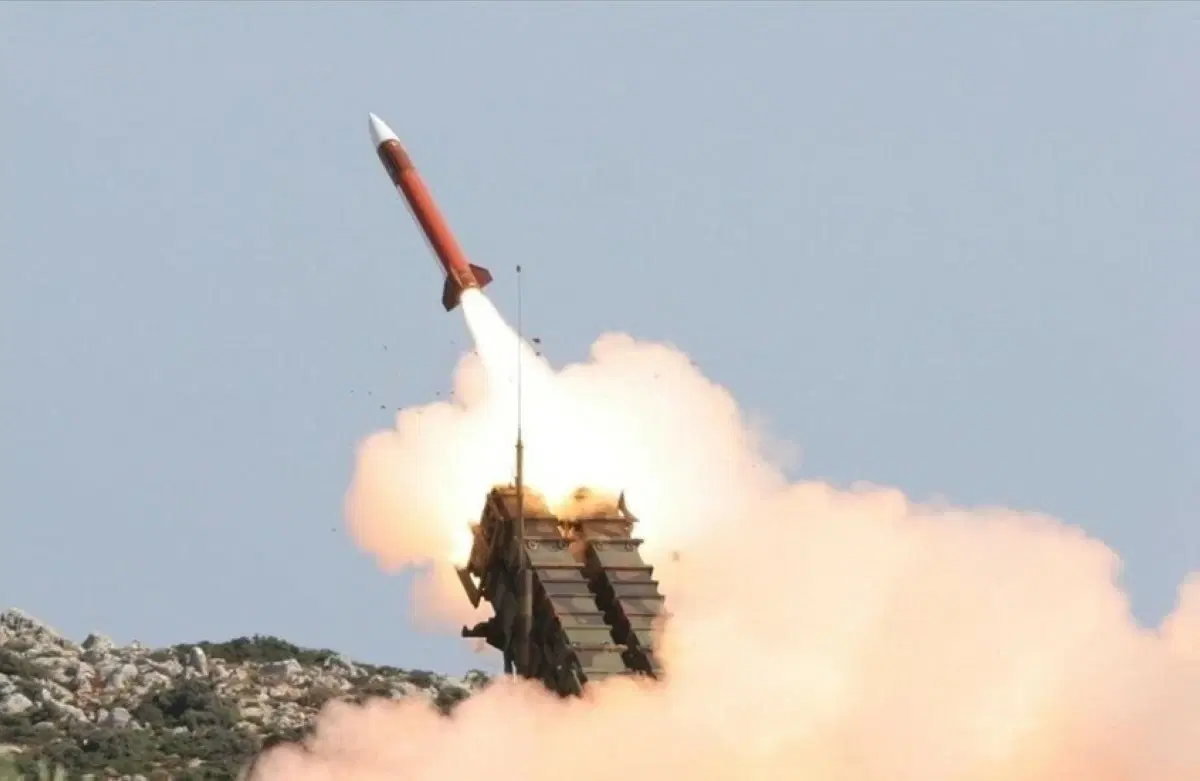
US President Donald Trump is scheduled to meet leaders and senior officials from the Gulf Cooperation Council countries on the sidelines of the United Nations General Assembly meetings in New York on Tuesday, to discuss the course of the war with Iran and the next steps, along with the repercussions of the Houthi attacks on Saudi Arabia.
According to sources, the anticipated meeting will focus on the American perceptions of the next phase of the conflict and post-war arrangements, as Washington seeks to coordinate positions with regional countries regarding the future of the conflict and regional developments.
The meeting comes after Trump announced the suspension of a planned military attack on Iran, at the request of the Emir of Qatar Sheikh Tamim bin Hamad Al Thani, Saudi Crown Prince Mohammed bin Salman, and the UAE President Sheikh Mohammed bin Zayed Al Nahyan.
Trump explained that the Gulf leaders informed him of "serious negotiations" currently underway, and that a "very acceptable" agreement for the United States and regional countries "will be reached," which will include "Iran not possessing nuclear weapons."
He also issued instructions to Secretary of War Pete Hegseth, Chairman of the Joint Chiefs of Staff General Daniel Caine, and US forces not to carry out the attack, while keeping the forces on standby "to launch a large-scale attack at any moment" if an acceptable agreement is not reached.
In subsequent statements, Trump expressed hope that the war with Iran would approach its end, indicating that Tehran "strongly wants to reach an agreement," and that he received a "direct" message from them, without disclosing its details.
Trump's statements came after the US House of Representatives voted by a majority of 220 to 204 on a war powers resolution, in a move aimed at restricting the President's ability to continue military operations against Iran without congressional approval.
Fence: The war will enter a different phase
In this context, US Vice President JD Vance said that the war with Iran will enter a "completely different phase" within two months, indicating that the United States is not currently engaging in offensive operations, and that the focus is on the next phase of the conflict and dealing with the situation in the region.
Vance warned that the US withdrawal from the war and leaving regional countries to face the crisis alone could threaten a global energy crisis, affirming the continuation of the US military role in protecting navigation and oil and gas flows.
He pointed out that the Trump administration is working to protect US assets in the region and ensure the continued flow of oil and natural gas to global markets, while mentioning in another interview that traffic through the Strait of Hormuz has returned to more than 50% of its usual levels.
Under normal circumstances, about 20% of global oil and liquefied natural gas supplies pass through the Strait of Hormuz, making it one of the most important energy corridors in the world.
In contrast, Iran accuses the United States of starting the war and causing disruption to navigation and energy, and rejects the American narrative regarding its responsibility for the crisis.