The National Library Celebrates National Reading Day and Provides Over 10,000 Books for Free
Al-Dara'beh: Reading is an Investment in Human and Jordan's Future
Amman4 min read
Share
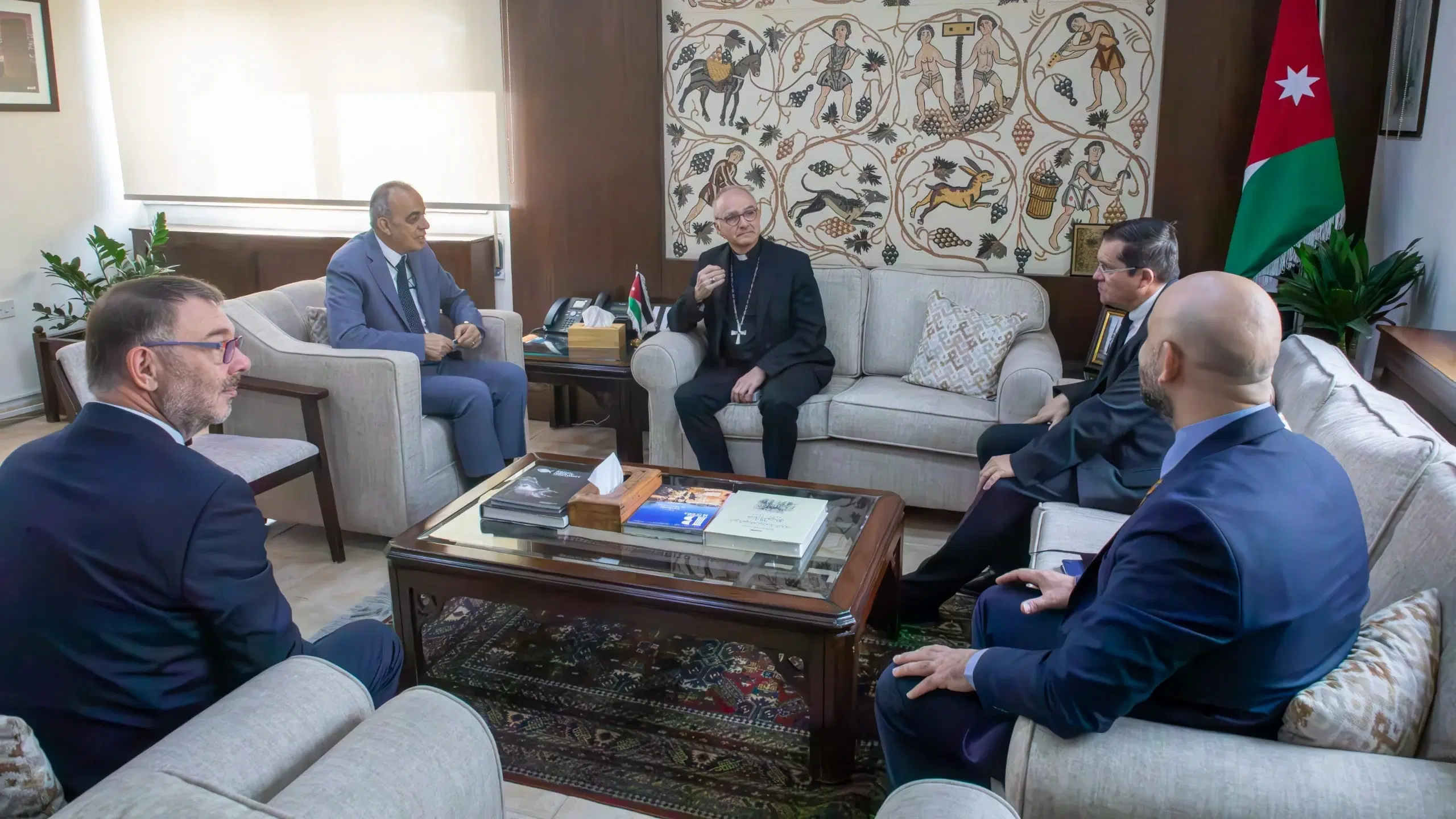
The Director General of the National Library, Firas Al-Dara'beh, on behalf of the Minister of Culture, Mustafa Al-Ruwaishdeh, inaugurated yesterday the activities of the National Reading Day 2026, organized by the National Library in cooperation with the Jordanian Library and Information Association and the Association for Knowledge Production and Cultural Publishing, with the participation of a number of cultural and knowledge institutions and entities.
Al-Dara'beh emphasized during the events held at the National Library headquarters, in the presence of a group of intellectuals, writers, researchers, and those interested in cultural affairs and representatives of supporting entities, that reading is not a seasonal activity or a cultural luxury, but a real investment in human and the future of the nation.
Al-Dara'beh conveyed the greetings of the Minister of Culture and his appreciation for the efforts made to make this initiative a success, affirming the Ministry's interest in supporting initiatives that contribute to bringing the book closer to members of society and enhancing reading as a basic gateway to building an aware and capable human being of continuous learning, creativity, and innovation.
He said that the allocation of a national reading day does not aim to confine reading to a single occasion, but to emphasize the need for it to become an integral part of daily life, pointing out that building a knowledge society starts with building an aware reader who has the ability to think, analyze, and criticize.
He added that the rapid transformations in the digital age have made reading a cognitive necessity that goes beyond its cultural dimension, especially with the rapid development of artificial intelligence technologies and the changing methods of knowledge production and access to it.
He explained that technology, no matter how capable it is of accessing and summarizing information, cannot exempt humans from the responsibility of questioning, analyzing, verifying, and distinguishing between correct and misleading information, affirming that “the more technology develops, the more we need an aware reader.”
Al-Dara'beh pointed to the importance of the role played by national libraries in the era of digital transformation, as spaces for knowledge, dialogue, and learning, in addition to their responsibility in preserving the national memory, safeguarding documentary heritage, and making it available to generations.
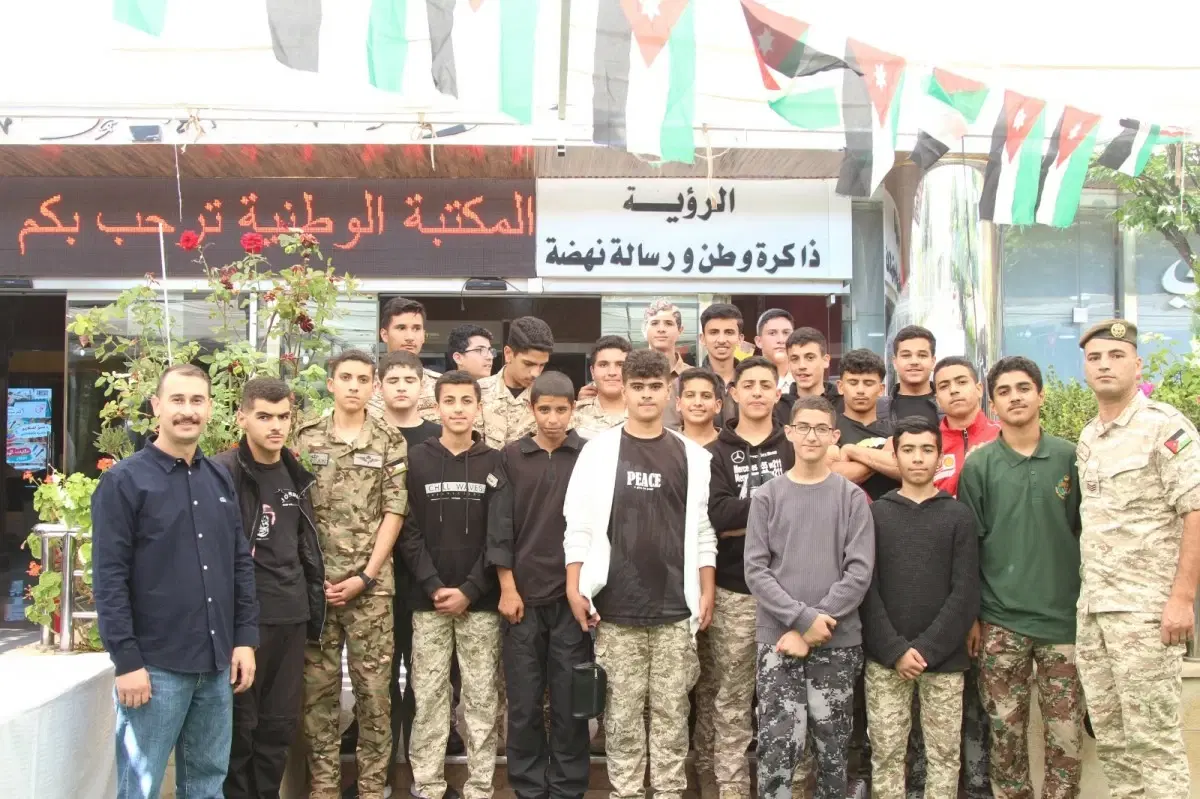
He pointed out that the National Library opened its doors during the National Reading Day events to children, students, families, writers, researchers, and readers, and provided more than 10,000 books for free, in a step aimed at enhancing access to books and encouraging different age groups to read and acquire books.
The program of events included a variety of cultural and knowledge activities, including story readings for children and school visits, in addition to a dialogue seminar entitled “Reading in the Digital Age: Do Libraries Still Make Readers?” and an intellectual seminar entitled “Who Makes Awareness Today: The Book or the Digital Platform?”
The program also included the “Authors' Corner,” which provided readers with the opportunity to meet directly with a number of writers, authors, and get to know their publications, within the framework of enhancing communication between the reader and the writer and supporting the movement of publishing and books.
Al-Dara'beh emphasized that the success of initiatives aimed at spreading the culture of reading requires an active partnership between various cultural and knowledge institutions, praising the role of the organizing and supporting entities in providing an environment that encourages reading, and affirming that spreading this culture is a shared responsibility that requires the integration of efforts of official, private, cultural, and local community institutions.
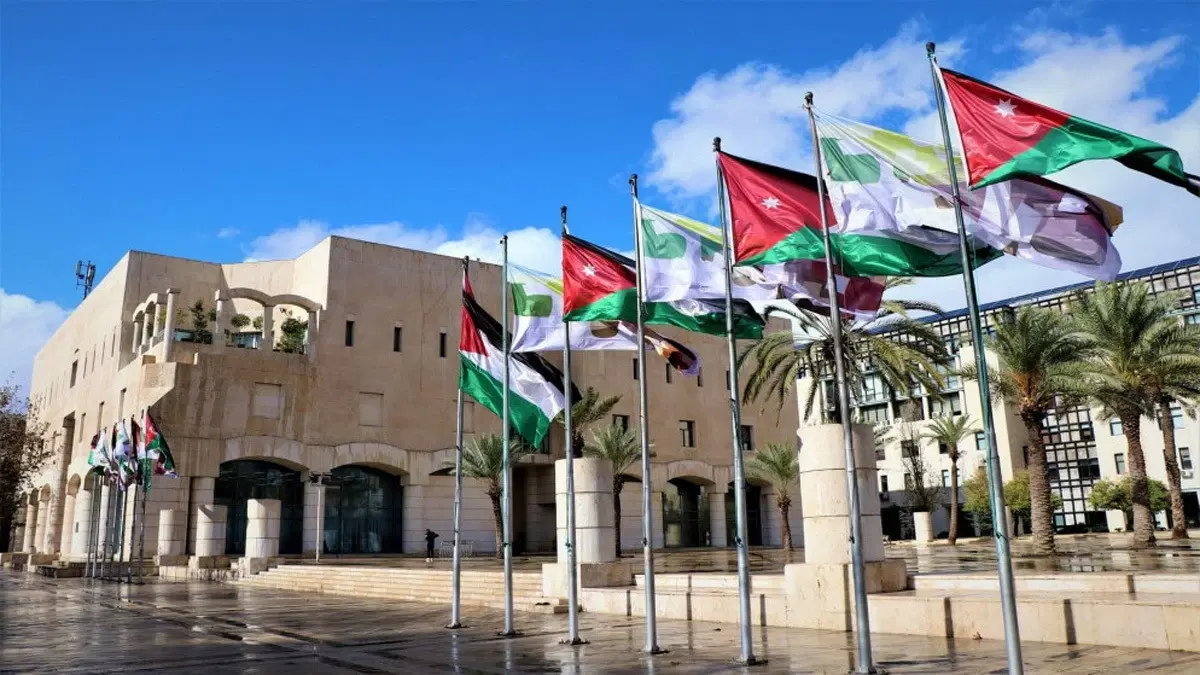
The National Reading Day events were participated by the Greater Amman Municipality, the “Culture Wharf” initiative affiliated with the Al-Yazuri Scientific House, in addition to a number of cultural, knowledge, and media institutions and entities, writers, authors, and employees of the National Library.
Al-Dara'beh appreciated the efforts of the Ministry of Culture, the Jordanian Library and Information Association, the Association for Knowledge Production and Cultural Publishing, the Greater Amman Municipality, the “Culture Wharf” initiative of the Al-Yazuri Scientific House, and all participating institutions and entities in the preparation, organization, and success of the day's events.
Al-Dara'beh concluded by affirming that reading represents the foundation for building a knowledge society, saying: “A reading Jordan is a knowing Jordan, a knowing Jordan is an innovative Jordan, and an innovative Jordan is a Jordan that makes its future.”
The National Reading Day events continued throughout the day at the National Library headquarters, with participation and interaction from various groups, affirming the continued presence of the book as a fundamental tool for knowledge and awareness building, and the role played by libraries as beacons of culture, knowledge, and open spaces for society.