The analysis showed an average of more than 300 chemicals present in the samples, while researchers focused on 60 compounds that appeared in at least half of the children. It was found that 39 of them belong to categories including substances that may affect development or the reproductive system, or compounds that can disrupt endocrine function.
Ninety-five percent of the compared compounds recorded higher levels in children with autism, most notably "benzyl benzoate," the concentration of which was 722% higher in this group. This substance is used in certain personal care products, food additives, and treatments for lice and scabies.
The substances monitored by the study included organophosphate esters, phthalates, benzoic acids and their esters, along with phenylpropionates, salicylates, ethers, aromatic ketones, and caprolactam.
Researchers also detected 11 compounds previously reported as potentially leaching from baby bottles, as well as substances associated with children's products, food packaging, water pipes, and certain home furnishings.
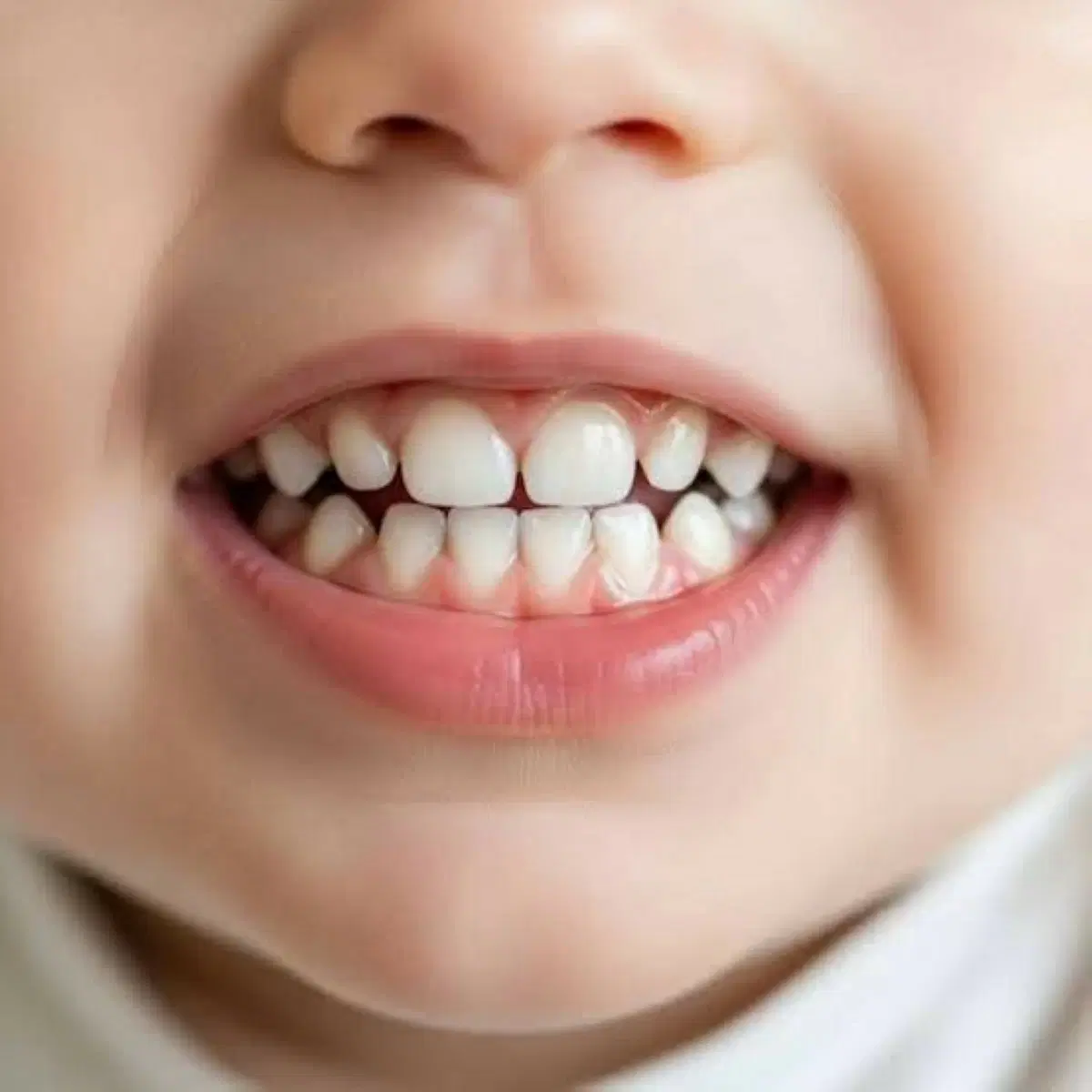
The study relied on baby teeth because they retain traces of chemical exposure over long periods, allowing for the tracking of environmental exposure from pregnancy through the child's early years, unlike blood and urine samples which reflect exposure over shorter periods.
Despite these findings, the researchers emphasized that the study does not prove that the discovered chemicals cause autism, especially given the limited number of participants, and that the statistical correlation between exposure to these compounds and the disorder does not necessarily mean a causal relationship exists.
The researchers noted that some of these substances may affect vital functions including the brain, liver, and mitochondria, warranting broader studies to verify the nature of the potential relationship and determine the impact of chemical exposure during sensitive developmental stages.
The findings highlight the importance of continuing research related to chemical exposure in early developmental stages, alongside taking precautionary measures to limit unnecessary exposure to substances that may pose health risks, particularly among pregnant women and young children.