Reports of a new attack on a ship in the Strait of Hormuz raise concerns related to oil supplies
Amman4 min read
Share
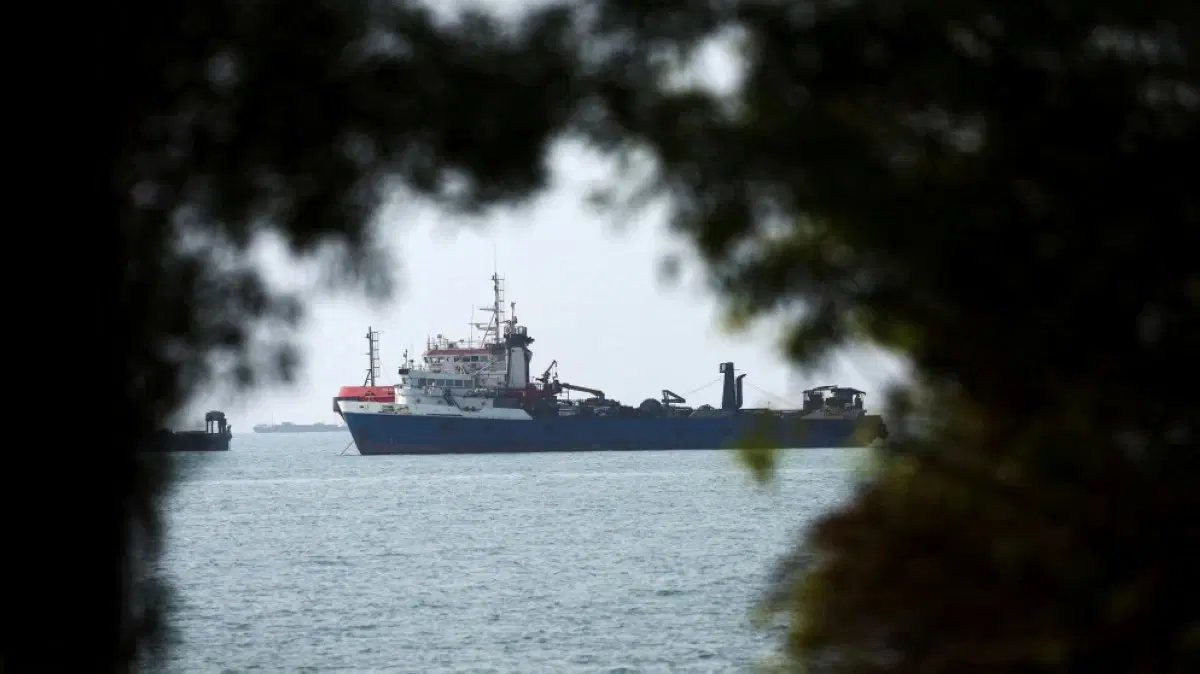
Maritime shipping entities received new reports of an attack on a vessel in the Strait of Hormuz on Sunday, heightening concerns over Iran-linked threats targeting energy supplies, after Saudi Arabia shut down a vital oil pipeline.
The United Kingdom Maritime Trade Operations (UKMTO) stated that it received a report of a vessel being hit by a projectile while passing through the Strait of Hormuz. The authority explained that the extent of the damage and the condition of the crew were not yet clear early Sunday.
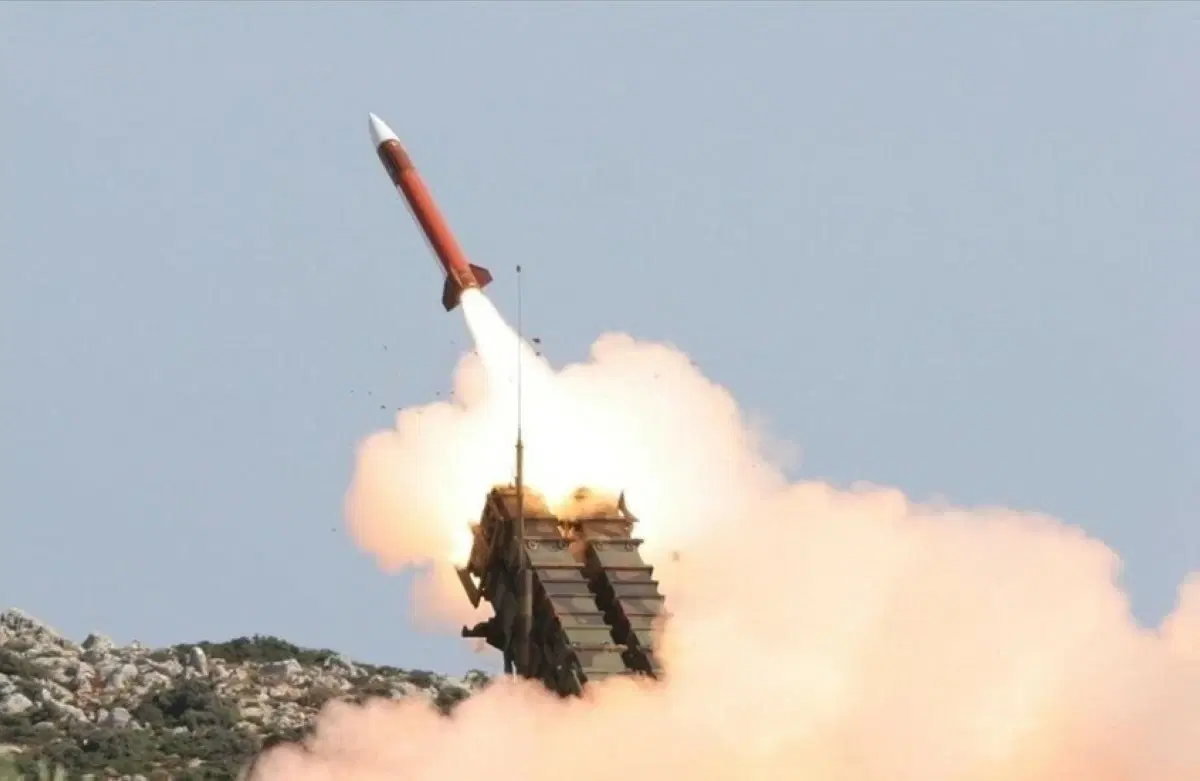
The authority's report came a day after Saudi Arabia announced it was temporarily closing its East-West pipeline as a precautionary measure following a drone attack that both Baghdad and Riyadh said was launched from Iraq, where Iran-backed factions are active.
Ongoing attacks amid the widening conflict in the Middle East could drive energy prices even higher following a week that saw Brent crude rise back above $100 a barrel.
The 1,200-kilometer East-West pipeline, spanning the Arabian Peninsula, has been the primary route for exporting global oil supplies from the Middle East over the past six months, while the Strait of Hormuz has remained largely closed due to the war.
The pipeline transports between 4 million and 5 million barrels per day, equivalent to 4% to 5% of global supplies, sparing Saudi Arabia the brunt of the disruptions that have crippled oil and gas exports from other Gulf nations.
No party has claimed responsibility for the attacks thus far. Satellite images showed black smoke billowing from an area along the pipeline south of Medina. The Saudi Foreign Ministry stated that the attack resulted in some injuries and damages that are currently being assessed, without providing details on the impact on exports.
US President Donald Trump, visiting Ireland for a golf tournament at one of his resorts, said Iran is likely responsible for the attack.
On Saturday, the Saudi Civil Defense said in a statement that a projectile fired by the Houthis wounded two people in the Jazan region and damaged several buildings, including a mosque.
Oil prices surged sharply over the past week, and retail diesel prices in the United States hit an all-time high, surpassing six dollars a gallon for the first time, following tit-for-tat attacks between Washington and Tehran on oil tankers and the advance of Iran-aligned Houthis in Yemen along the Red Sea, which could extend disruptions to another critical oil transit route.
Four Yemeni government sources told Reuters that the Houthis seized control on Friday of the strategic Perim Island located at the southern entrance of the Red Sea in the Bab el-Mandeb Strait.
Iranian official downplays importance of Oman meeting
No talks have been held between the United States and Iran to end the conflict since an agreement was reached in June, only to collapse within weeks.
In a post on X on Saturday, Ebrahim Azizi, head of the Iranian parliament's National Security Commission, said, "As long as the US side does not accept all of Iran's conditions, there is no use for dialogue and negotiations."
The Iranian Foreign Ministry announced on Friday that Tehran will attend a meeting with Arab Gulf states in Oman on Monday to discuss the future of the Strait of Hormuz.
However, a senior Iranian official, speaking to Reuters on condition of anonymity, downplayed the chances of a breakthrough, saying the meeting called by Oman aims to discuss issues including the Strait of Hormuz, but ruled out the signing of any agreement.
A source told Tasnim News Agency that an agreement between Iran and Oman regarding transit routes through the Strait of Hormuz will be presented during tomorrow's meeting, which Iraq will attend, but clarified that the strait will not be reopened unless seven conditions conveyed by Iran to the United States are met, without specifying what those conditions are.
Iran is demanding recognition of its control over the Strait of Hormuz, which would allow it to levy fees on passing vessels, a demand rejected by Washington.
Oman, which controls the opposite bank of the strait, stated that it is conducting negotiations with the approval of other countries in the region.